Phygital's next generation – in their own words
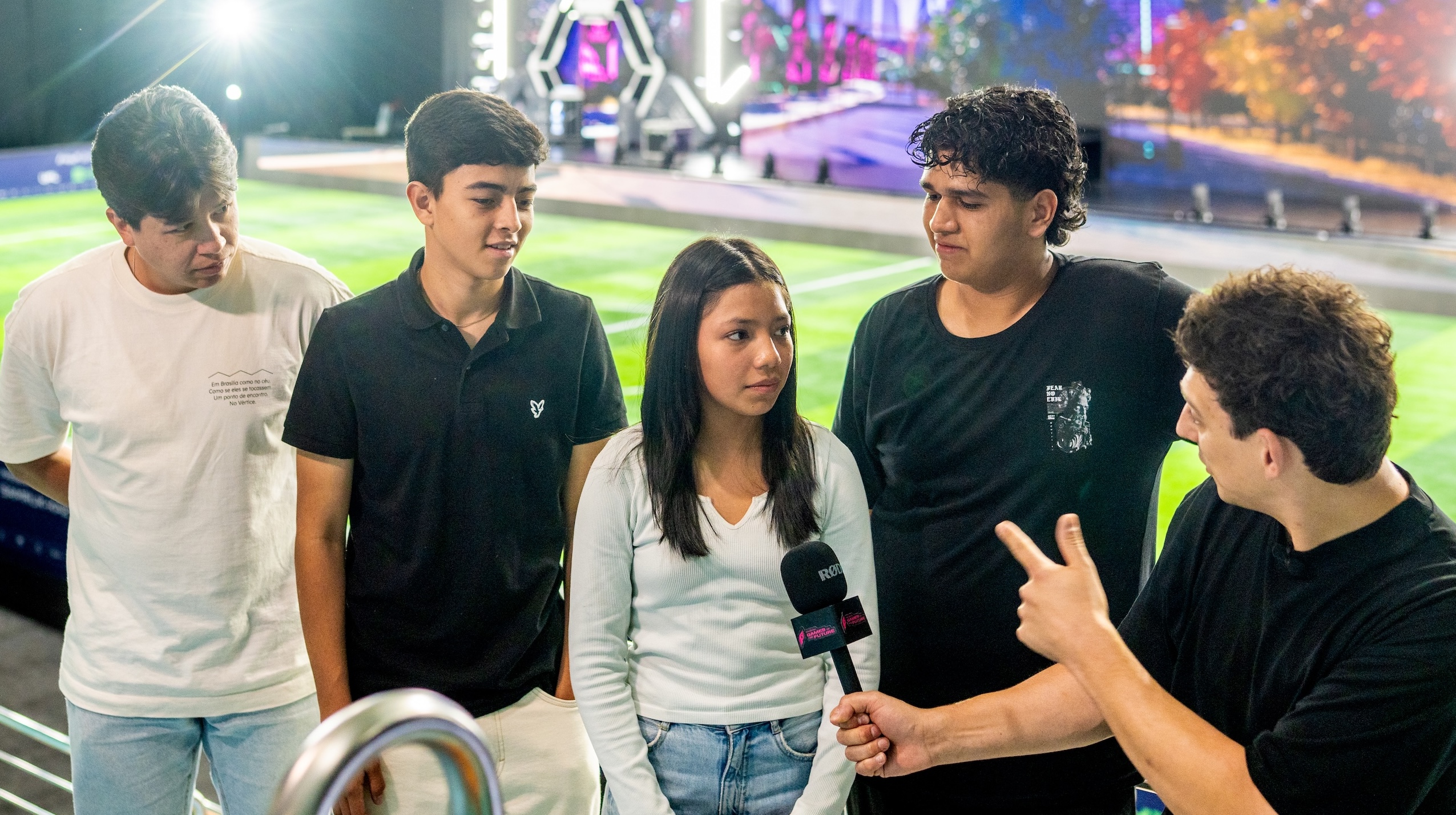
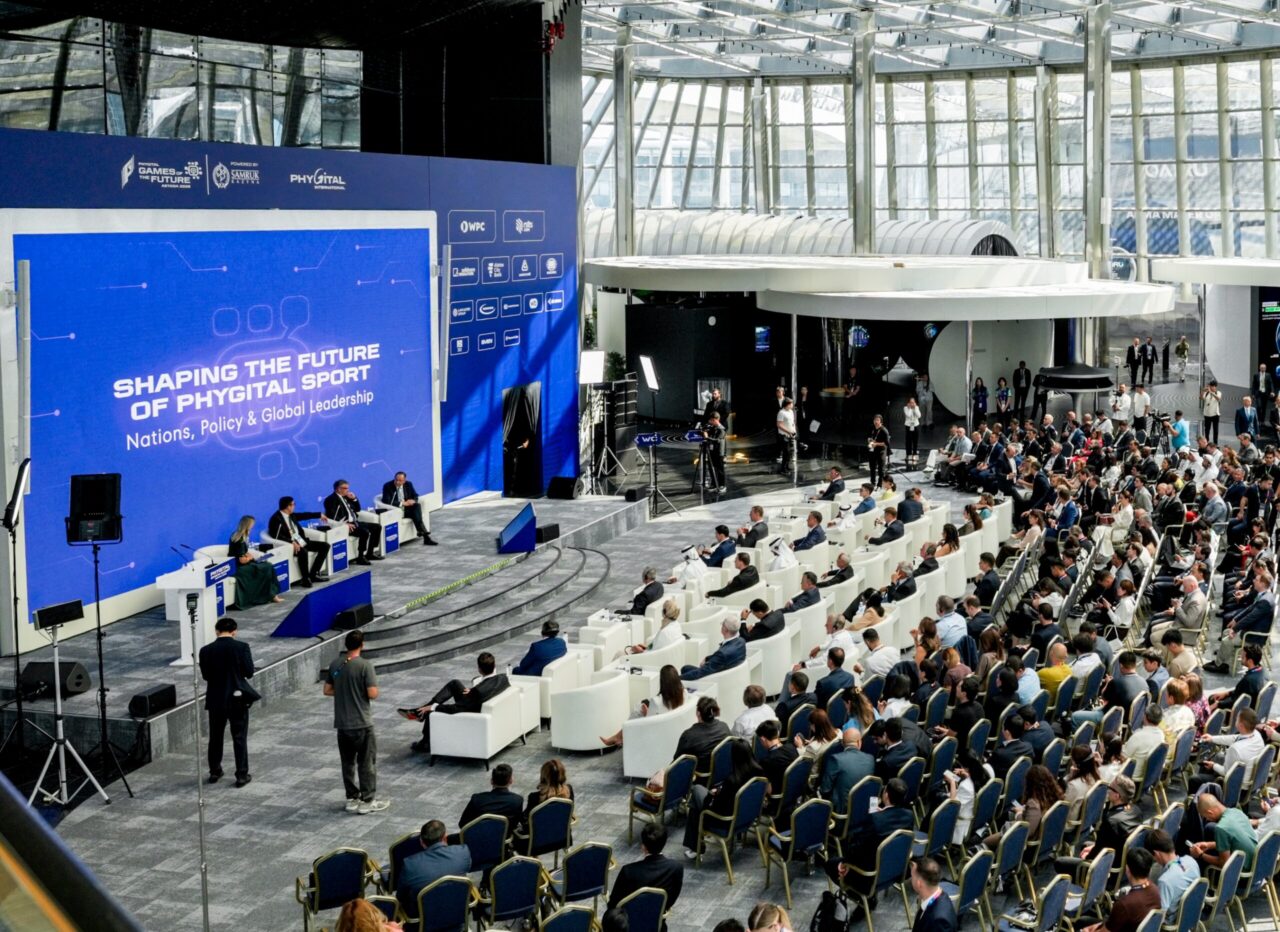
Four teenage winners of last year's Phygital School Games swapped the classroom for the arena this summer, flying to Astana to watch the Games of the Future 2026 up close. Their stories make the case for why phygital sport belongs in schools – straight from the kids living it.
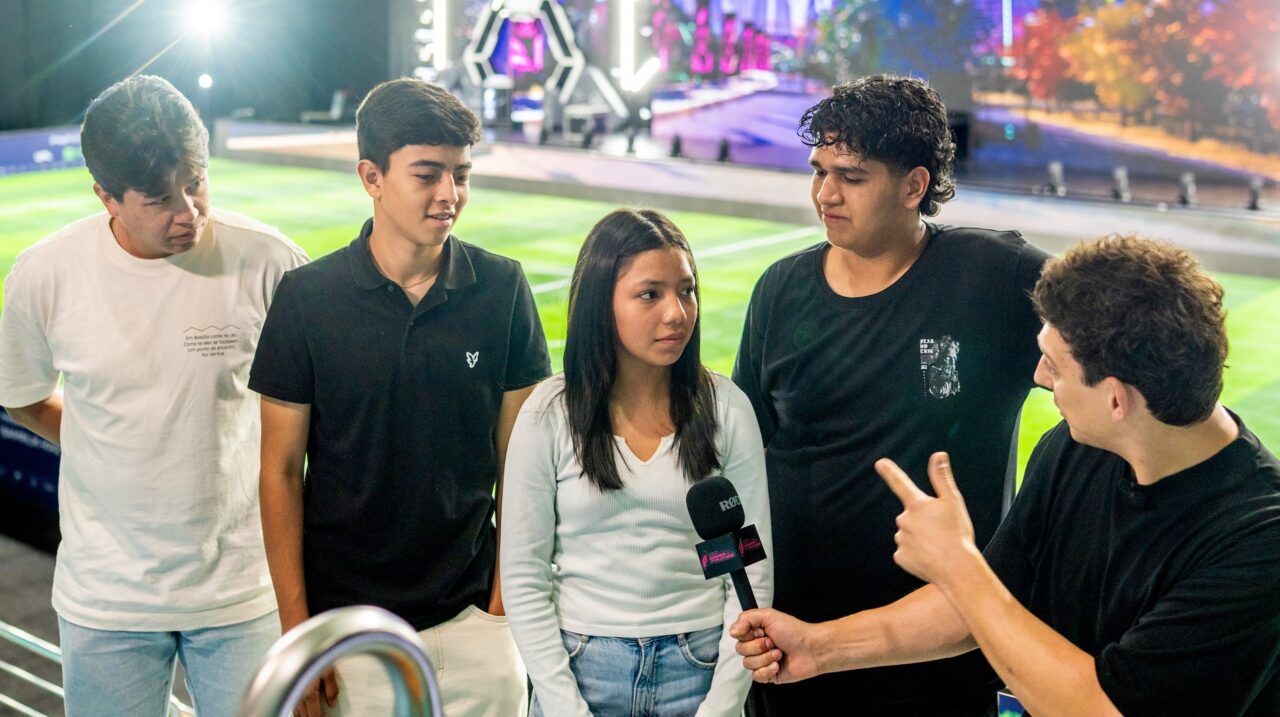
When Gabriel Andrée Chiu Nájera stepped off a long-haul flight into Astana this summer, he wasn’t there as a spectator. The 14-year-old had earned his trip the hard way — by winning the Phygital Football category at last year’s Phygital School Games in Guatemala. Alongside three other young winners from Guatemala, Brazil and Colombia, he had come to watch the Games of the Future 2026 up close, tour the arenas, and meet the professional athletes whose path he now hopes to follow.
For educational institutions and federations weighing whether phygital sport belongs in their own schools and communities, the four teenagers’ week in Kazakhstan offers a useful answer: it works, and the kids can tell you why.
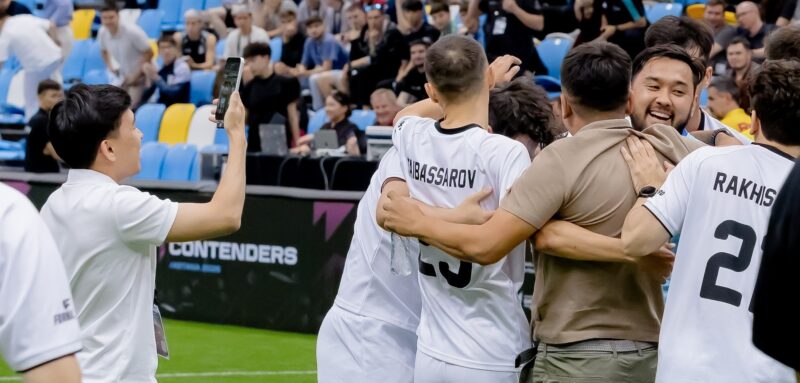
Gabriel, who represented Academia Futsal García, is a case in point. “It’s been a great experience,” he said. “It was a long journey to get here, but I’ve really enjoyed everything we’ve seen and the way everyone has welcomed and treated us.” He first heard about phygital sport from his coach and was hooked immediately by the format. “It combines digital and physical football. It’s something different from what we’re used to.” Given the choice, he still prefers playing on the field — but he’s clear that the hybrid format opened a door conventional training never did. “Sometimes it can become repetitive just training and playing the same sport all the time,” he said. “I don’t think there’s anyone who doesn’t like video games. I’d definitely recommend trying it.”
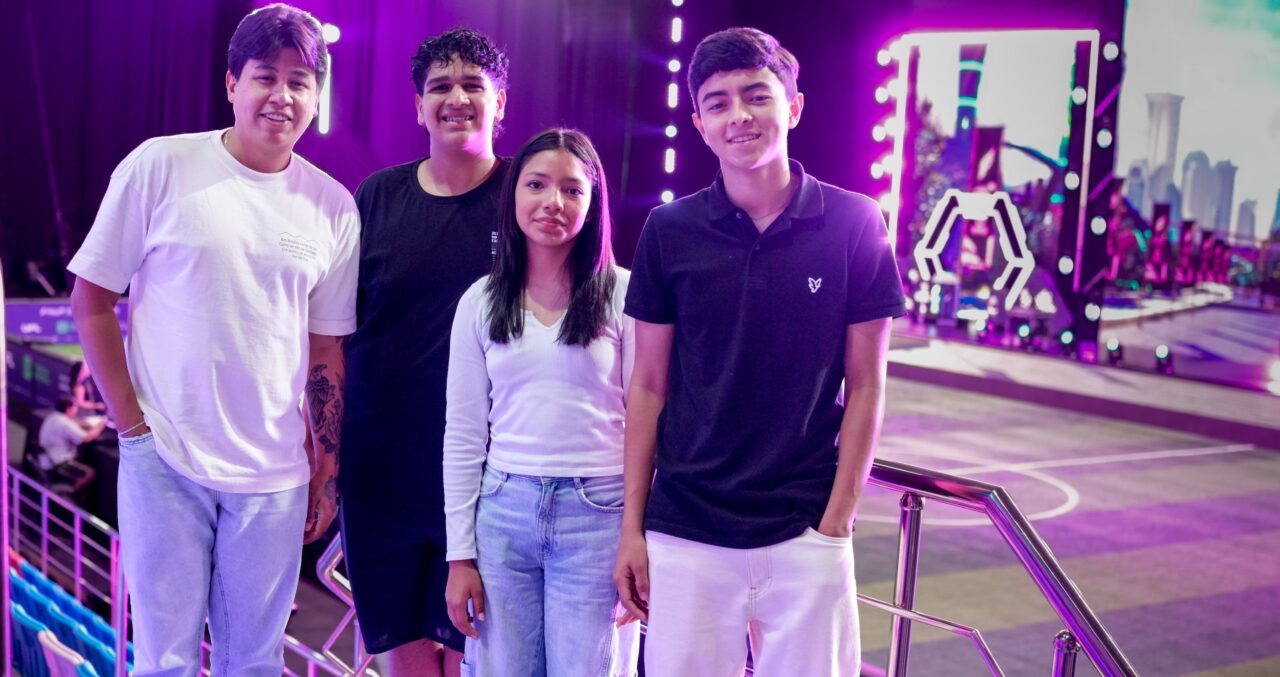
From left: Gustavo, Miguel, Ada and Gabriel
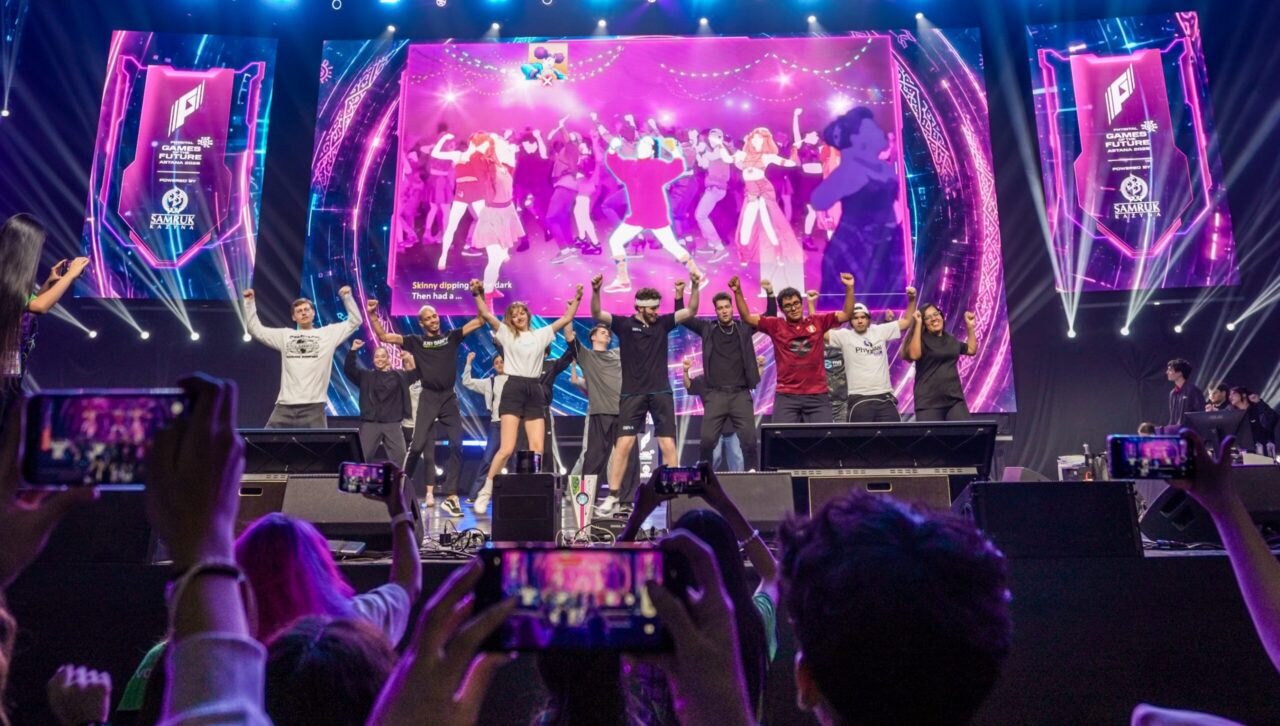
Ada Cardona, 12, brought a ballet background to the Phygital Dancing category and won it representing Colegio Tecnológico Sinaí. “I’ve loved dancing ever since I was little,” she said. “When I discovered Phygital Dancing I realised it was something where I could really express myself.” Watching the Games of the Future in person only sharpened her ambitions. “Being here is incredible. I love it. It’s a beautiful city and a very special experience.” She’d like to turn that passion into a career: “I’d also love to become a professional dancer.”
Miguel Ángel Upegui Londoño, 16, arrived in Astana as Colombia’s reigning Under-17 Phygital Dancing champion after two years competing in the Phygital School Games. A lifelong Just Dance player, he says the tournament was his first taste of major competition — and it’s whetted his appetite for more. “I’d love to come back one day as the champion of the Phygital Dancing tournament,” he said. “I’d really like to do this professionally.” He’s also become an advocate among his peers: “I would recommend it to as many people as I can. The excitement of competing in front of a screen and in front of so many people is amazing.”
Gustavo Garcias de Oliveira Yamagi, 27, took a different route in, discovering phygital football through his university’s competitive programme in Brazil. At Astana, he was happy to note he was “already the oldest one here” — but his message to younger players was the most direct pitch for the format yet. “I’d definitely like to continue competing in phygital sport because I’ve really enjoyed it. I would recommend it, especially to younger kids. I feel like I discovered it a little late, but it’s still been a great experience to be part of it. I really believe it’s the future.”
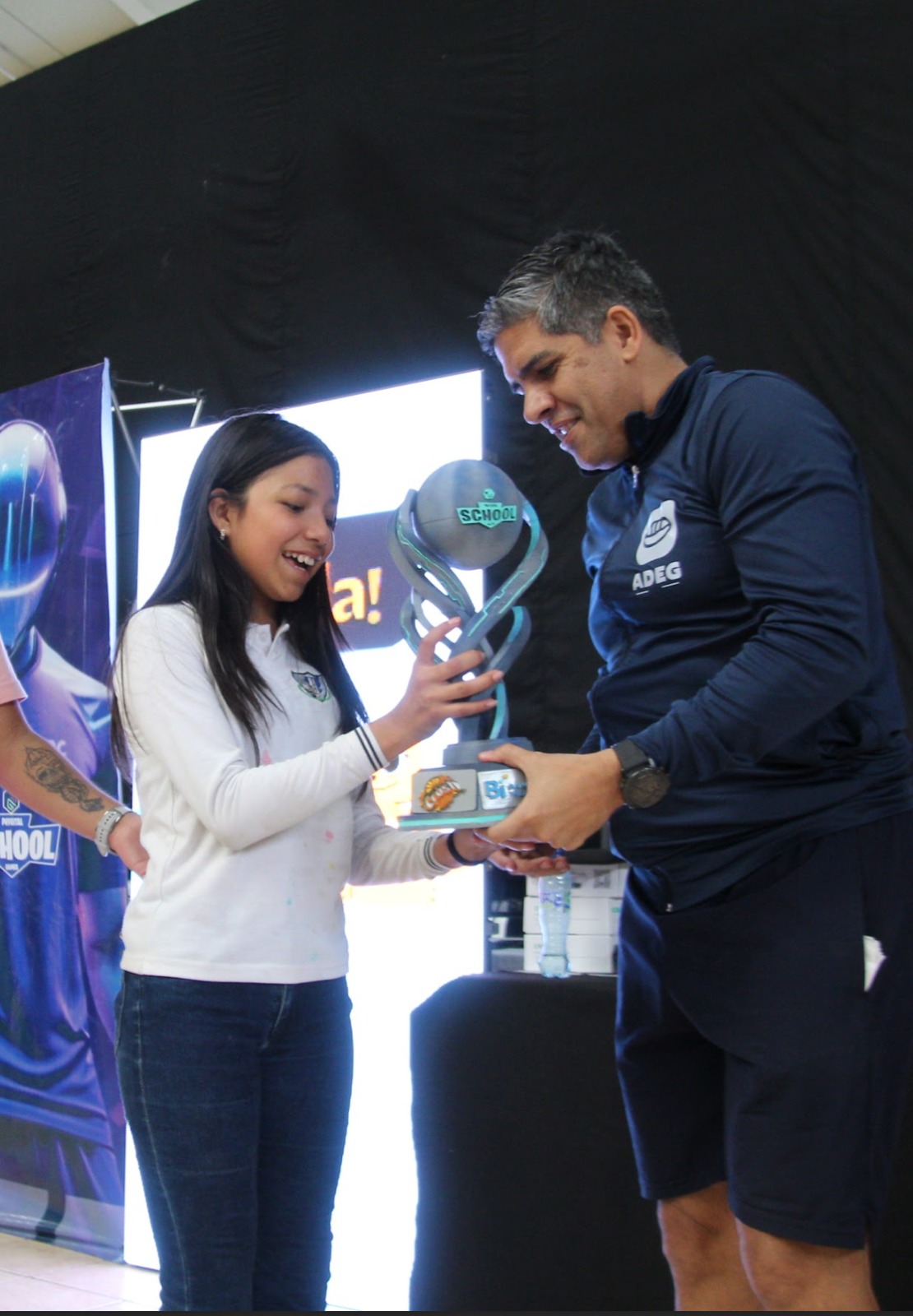
Pablo awards Ada her Phygital School Games trophy
The trip was arranged by Pablo Melgar, President of the Guatemalan Esports Association and the driving force behind the Phygital School Games, who accompanied the group to Astana. For Melgar, the value of reaching children early is straightforward. “It’s very motivating to see other countries wanting to do this locally,” he said. “If we build phygital with kids, we build it for the future.” Federations in Venezuela and Mexico are already exploring their own school-level pilots inspired by the Guatemalan, Brazilian and Colombian programmes.
For decision-makers still assessing where phygital sport fits within schools, youth policy or health strategy, the takeaway from Astana is less about any single format than about outcomes: four teenagers, four different disciplines, and a shared enthusiasm that took them from a school gym to an international arena. As Miguel put it: “I hope one day I can compete at this level.” Judging by this week, he isn’t alone.
You’re reading Issue 5

AUGUST 2026
We look back at the 12 days of top-flight competition, celebration and excitement that was Games of the Future Astana 2026 - and speak to Phygital International's new CEO about what lies ahead for phygital sport's biggest tournament.
Read more…
 Currently reading