No delays, no excuses: New CEO's plan for PI
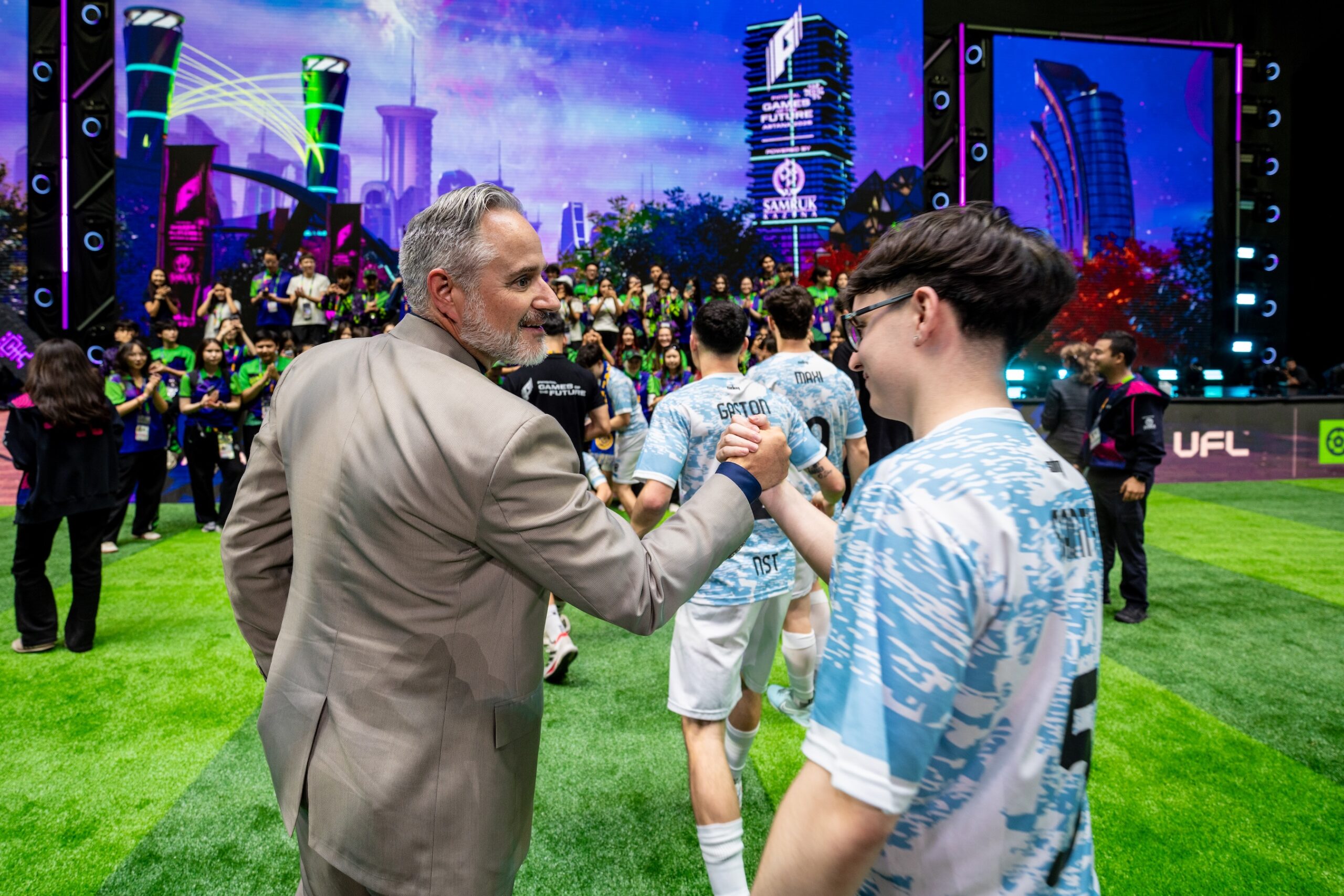
In his first full interview since taking charge, Phygital International's new CEO Daniel Merkley talks about the phone call that changed his career, the political lesson he’s learning the hard way, and his plans for host cities, new disciplines and the movement's next frontier.
In this article
- What's next for the Games of the Future
- Latest on host city bids
- Exploring new markets and pushing further into others
For the past two years, Daniel Merkley has been chairman of the World Phygital Community, working with its members around the world to promote phygital sport at a grassroots level. Now, however, he has taken the reins at Phygital International, the rights holder to Games of the Future and the global promoter of phygital sport. We talked to him about his new role, his immediate priorities and where his hopes for the sport’s flagship tournament, the Games of the Future.
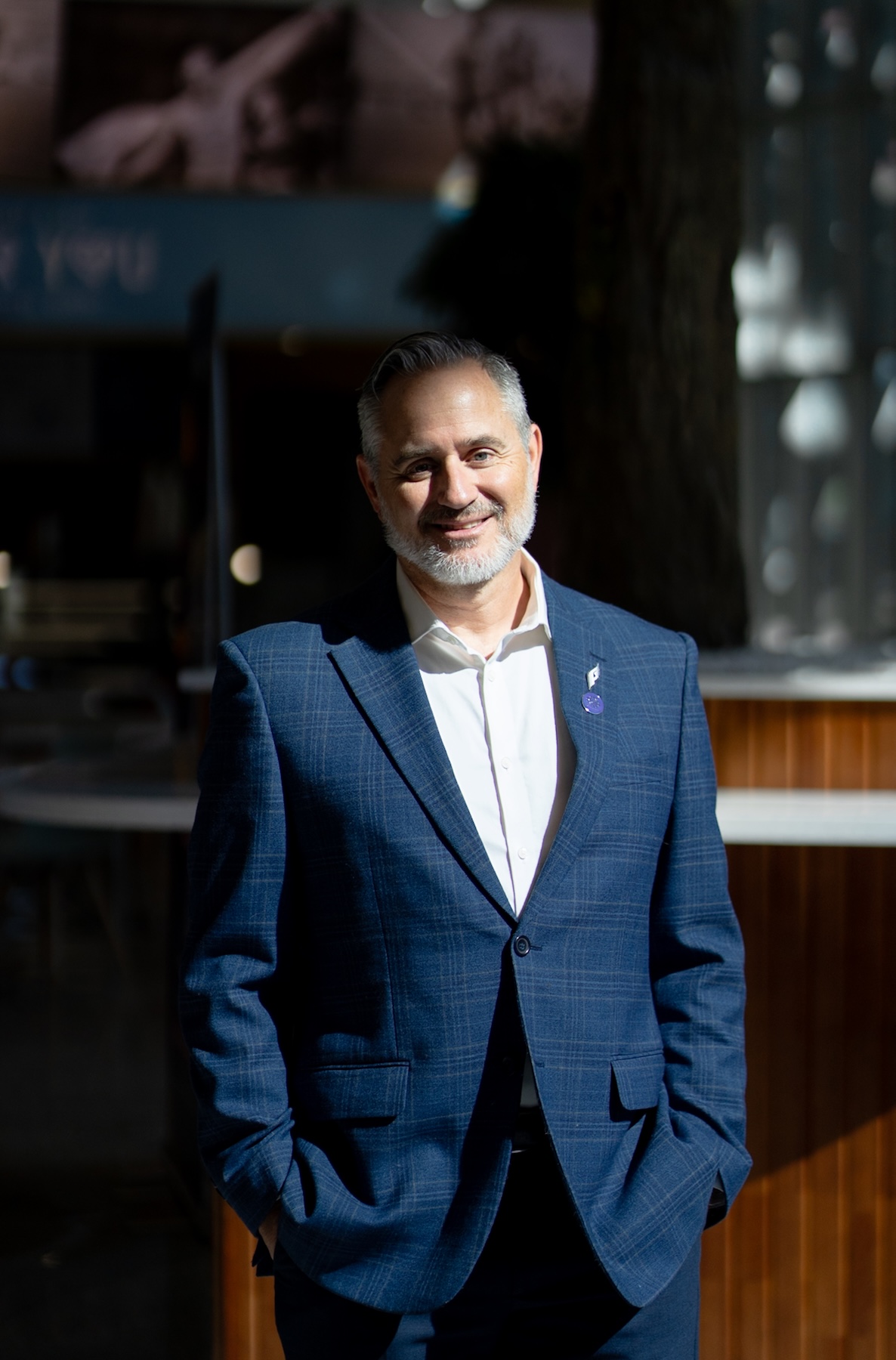 What went through your head when you were offered the CEO role?
Honestly? Deer in the headlights! I went into a meeting expecting to present on WPC activity, and instead they said, “We’d like to offer you the role of CEO of PI.” My first reaction was: why me? There must be plenty of sport-industry executives you could have recruited already. I genuinely needed to know the answer before I could say yes.
Q: What was the answer?
A: The good news is, they don’t need me – they wanted me. It’s a much better feeling to wake up to. It came down to my years working directly with WPC’s membership, watching people activate phygital from scratch in their own countries. That’s what they told me was unique to me, and it’s a big part of why I took the job. I love this movement. I love it.
How has the adjustment been, moving into something far more political?
Steeper than I expected, and I’ve already made mistakes. When I say, “I think a good idea would be…”, I mean it as a suggestion. But someone pointed out that from a CEO, people hear an instruction. Now I have to remind myself to be unambiguously vague, or vaguely unambiguous, depending on the room.
You were chairman of the World Phygital Community which represents the grassroots phygital sporting federation in countries around the world. Any regrets?
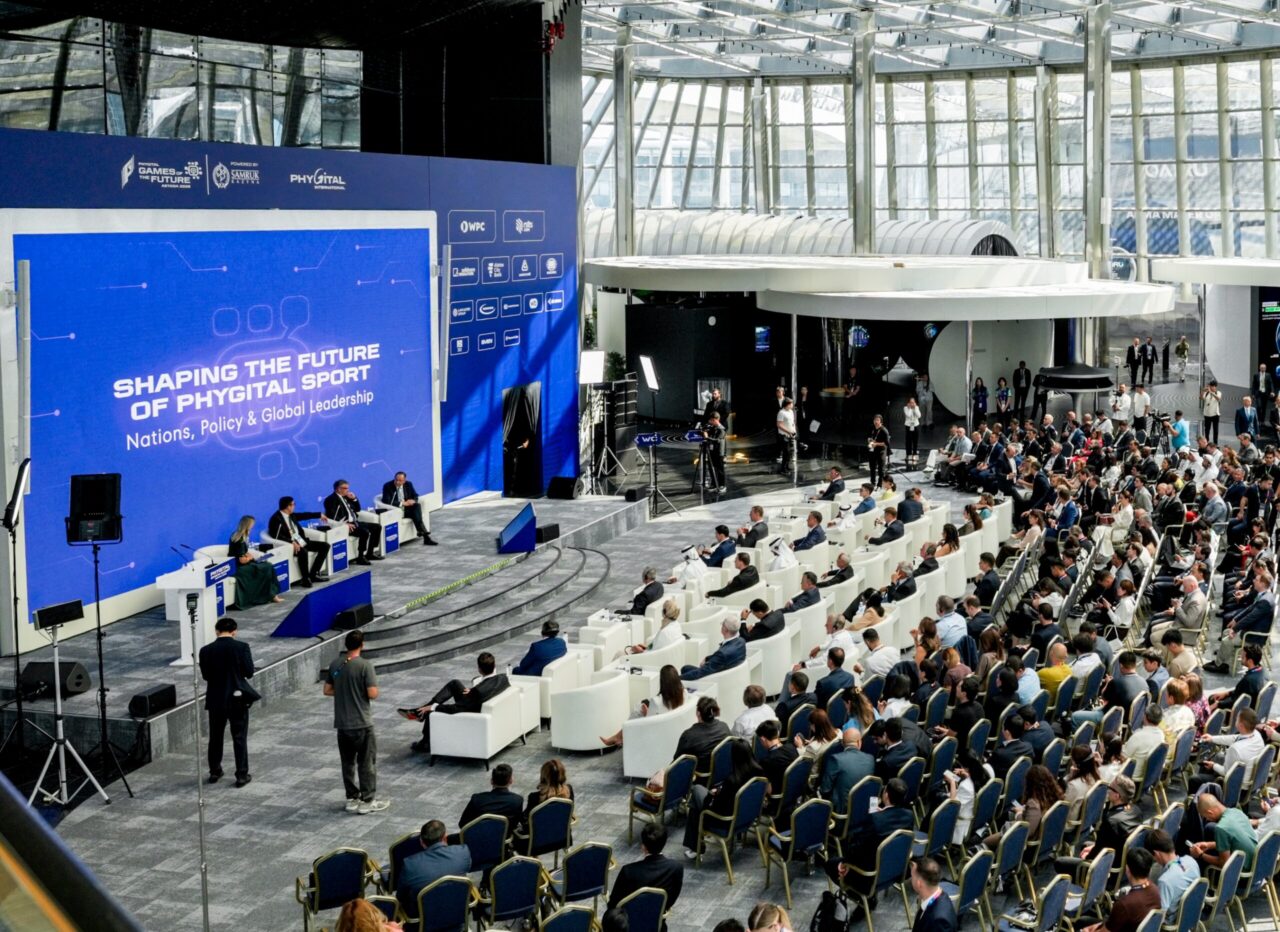
This role does take me further from the grassroots, if I’m honest, but I’m very comfortable with whose hands it’s been passed to. I think the world of David Fang, who’s taking over from me as chairman, and I know he’ll keep me close to how things are going – we’ll both make sure there’s good crosstalk between us. What I get with this position is the chance to think about this movement in a bigger sense: not just whether tournaments are happening, but where the whole thing is headed. It’s thinking about the social impact phygital sport can have, and meeting with potential host cities and public servants and elected officials and public agencies and partner brands and trying to bring them on board. That is exciting and extremely rewarding as well.
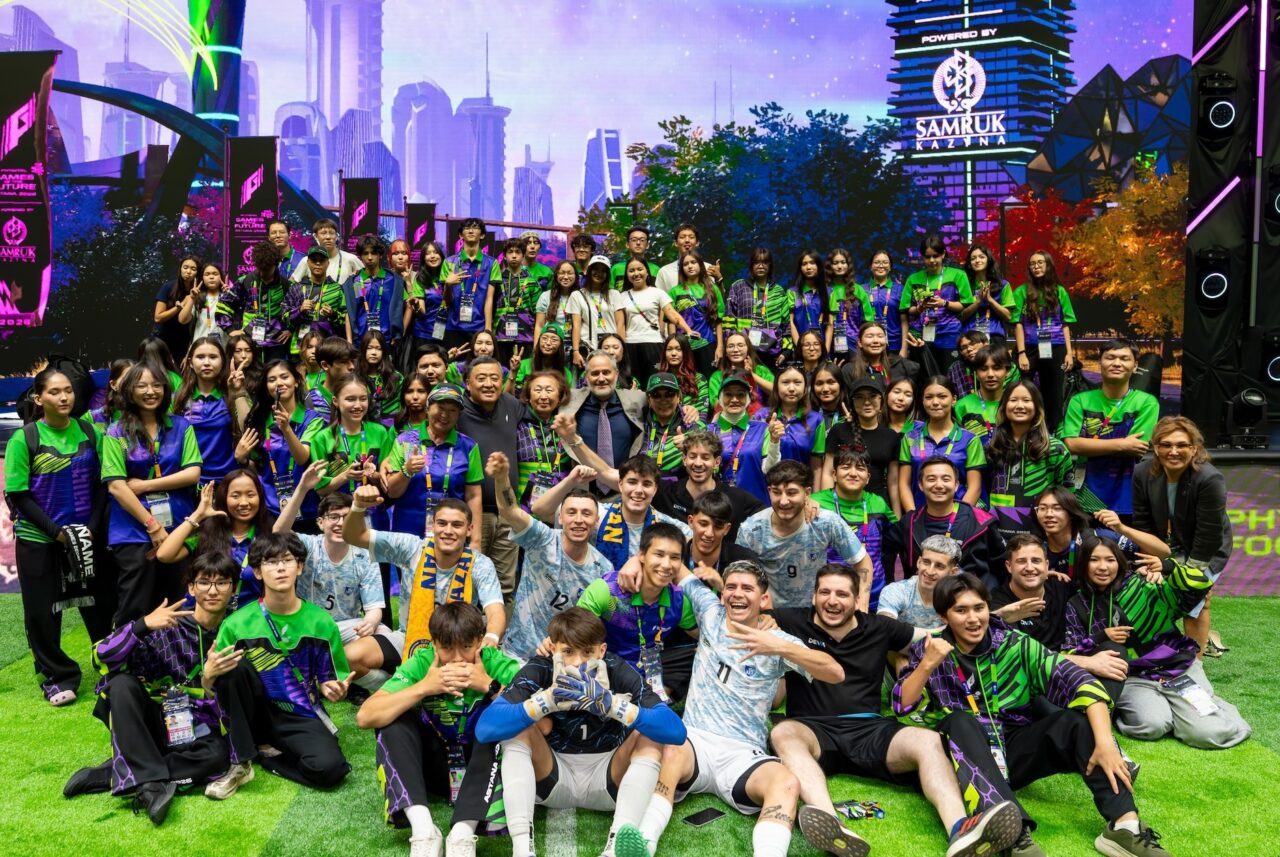
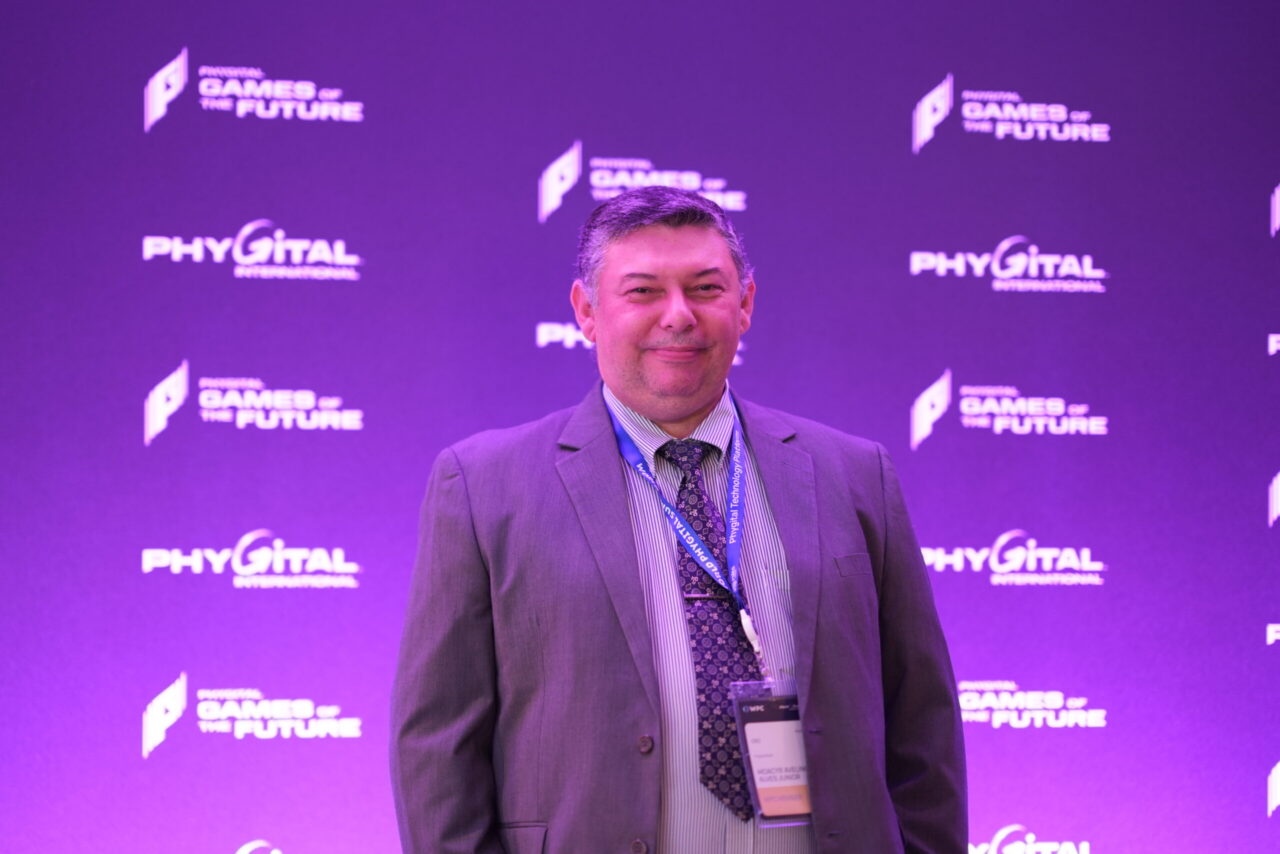
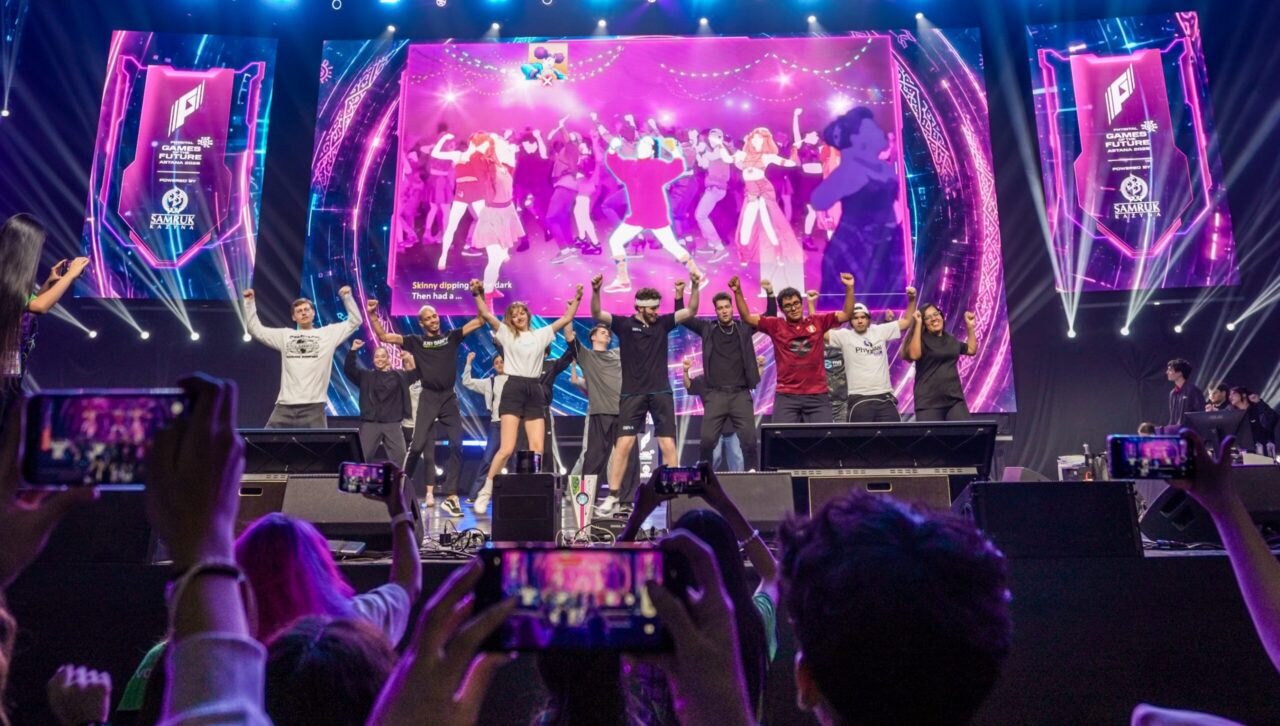
Merkeley with winners and volunteers at GOTF 2026
What’s your top priority right now?
Host cities for the Games of the Future (GOTF). Everything else depends on it. We’re in advanced negotiations around 2027, and once that’s settled we move straight into awarding 2028 and start work on 2029 – no delay, back-to-back. We want a concurrent three-year planning cycle, because that’s what brands and publishers need to commit properly, and it gives our WPC members the certainty to build a season around. Without a confirmed host city, they can’t promote what they’re doing or attract the players who make a tournament worth watching.
What’s your vision for the Games experience itself, going forward?
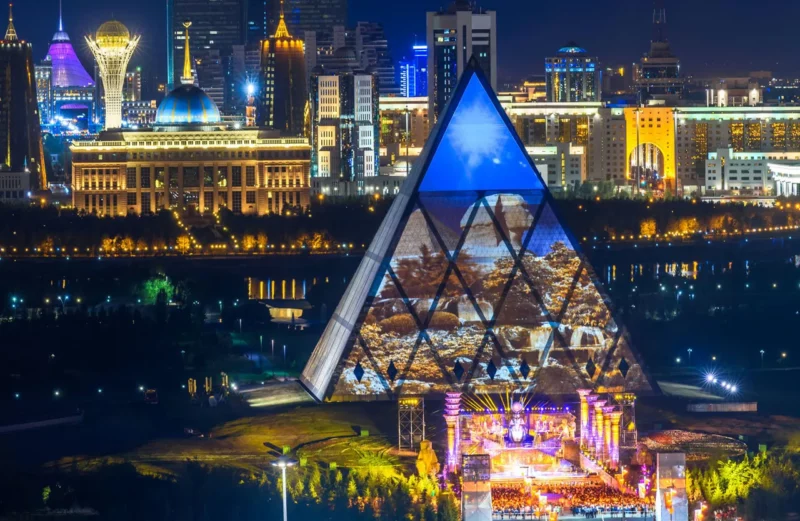
A: The recent tournament in Astana gave us a benchmark I’m proud to hold up to future partners – the opening ceremony did genuine honour to the host nation, and the arenas around the city were built to a scale our disciplines deserve. But I haven’t forgotten what a single-venue format offers – the ease of a day pass, a proper fan zone, a sponsor village. My ambition is a GOTF that combines both: purpose-built arenas wrapped in a city-wide footprint. And we want more disciplines, including tech sports like drone racing – though I’d rather award eight done brilliantly than twelve done sub-optimally.
So far, the Games of the Future have been held in Asia. Any plans for a western GOTF?
A: I think it’s very possible within the next two to three years. The sport’s already taking off in Latin America, and it’s established in Europe – both Europe and the US look like very big markets. We’re talking to credible, enthusiastic activators over there who want to bring the games to their own cities. The fastest way to build awareness in a new market isn’t a slow grassroots build – it’s committing to host a Games of the Future tournament there and letting the event do the work.
What does success look like to you personally, three years from now?
This is where my WPC background shapes my answer. I’d like to see the number of rated tournaments run by WPCs in their own countries double within three years. I believe that’s realistic, given recent reforms to the rating and ranking requirements. It’s ambitious, but tangible – and it’s felt on the ground, by our members, not just in a strategy document. So I would like to see that, plus the rolling three-year host city pipeline – and, of course, another three fantastic GOTF tournaments in some of the world’s most exciting cities.
Share article
Previous issue
Going for glory
You’re reading Issue 5

AUGUST 2026
We look back at the 12 days of top-flight competition, celebration and excitement that was Games of the Future Astana 2026 - and speak to Phygital International's new CEO about what lies ahead for phygital sport's biggest tournament.
Read more…


 Currently reading