How South Africa cracked the phygital code
South Africa became the first nation to qualify for the Games of the Future 2026 across all four core phygital disciplines – and is now the highest-ranked member of the World Phygital Community globally. Edgar Kagiso Sandamela, CEO of Phygital Games South Africa, explains how getting there meant learning to listen first.
In this article
- Building a new sporting discipline from scratch
- Working with existing sports teams to give your organisation credibility
- How to navigate culture clashes and misunderstandings
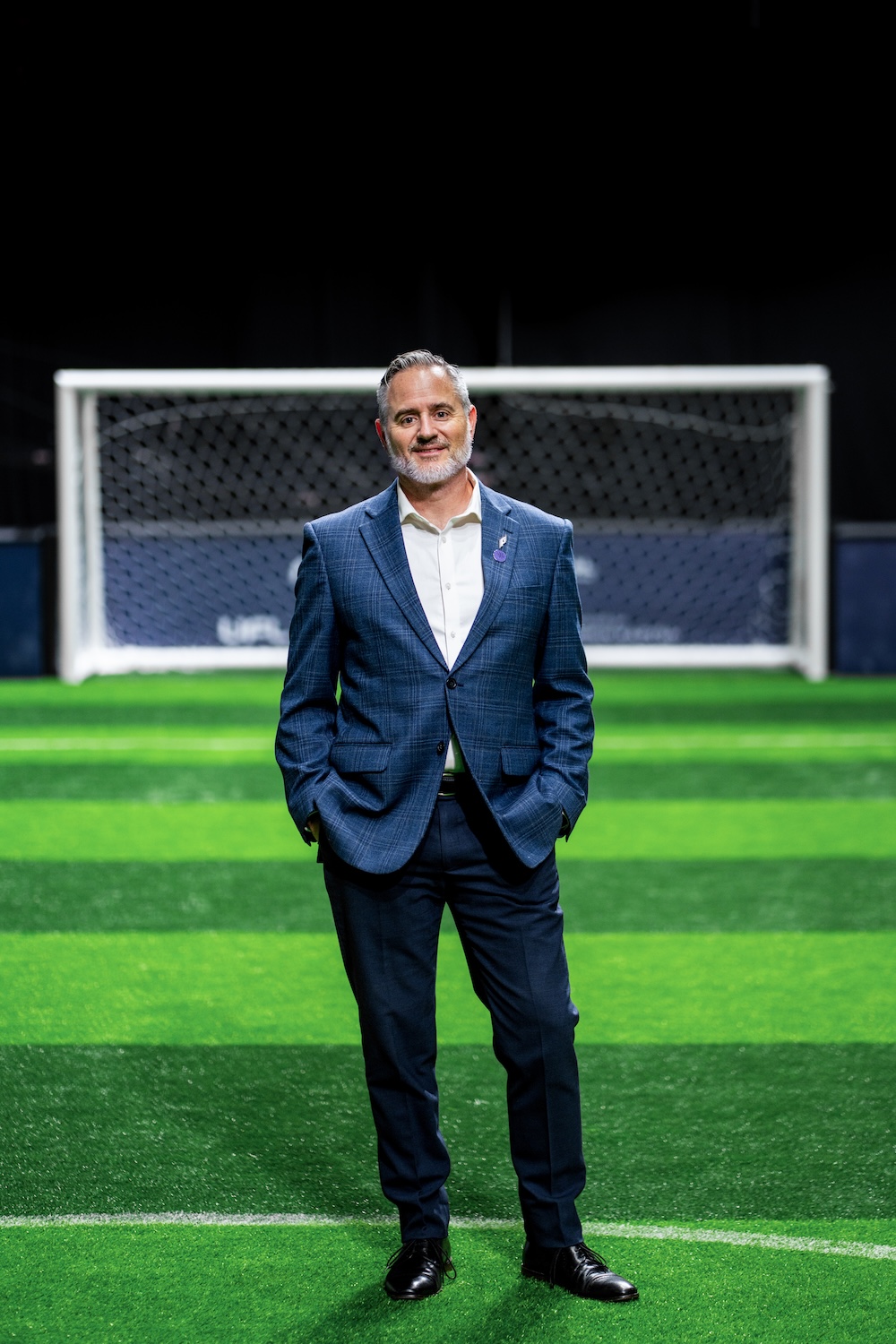
When Edgar Kagiso Sandamela first tried to explain phygital sport to South African athletes, he reached for a telling comparison. “It was like aliens landing on Earth,” he says. “People couldn’t understand that you can combine esports with physical sports.” Within two years, however, his organisation had become the highest-ranked member of the World Phygital Community globally. It is also the first nation to qualify across all four core disciplines (Phygital Football, Phygital Basketball, Phygital Dancing and Phygital Shooter) for the Games of the Future 2026. But the journey there required something that no rulebook could provide: learning to speak the language of the people you were trying to reach.
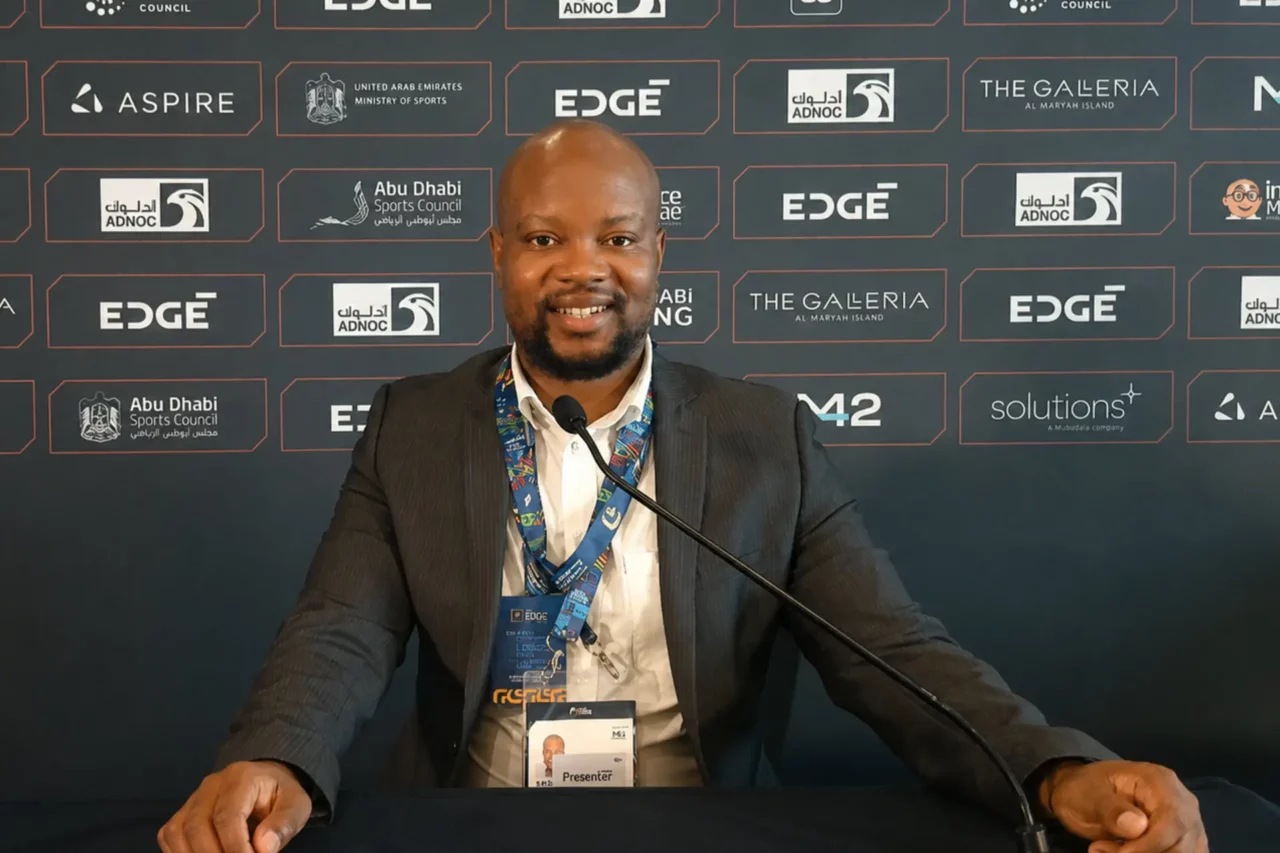 An esports outsider
Sandamela came to phygital through legacy sport. He had spent the better part of a decade organising football and rugby tournaments across South Africa before being invited into the phygital movement at the end of 2024. That background gave him credibility with athletes and coaches, but it also meant he was arriving at esports as an outsider. Rather than paper over that gap, he leaned into it.
“I taught myself what happens in Counter-Strike, what is Counter-Strike, who’s the best in the world,” he explains. “I think you have to educate yourself – that’s the most important thing when it comes to something you don’t know.” Over three or four months, he immersed himself in the South African esports landscape, mapping its communities, its friction points, and its possibilities. Only then did he begin recruiting.
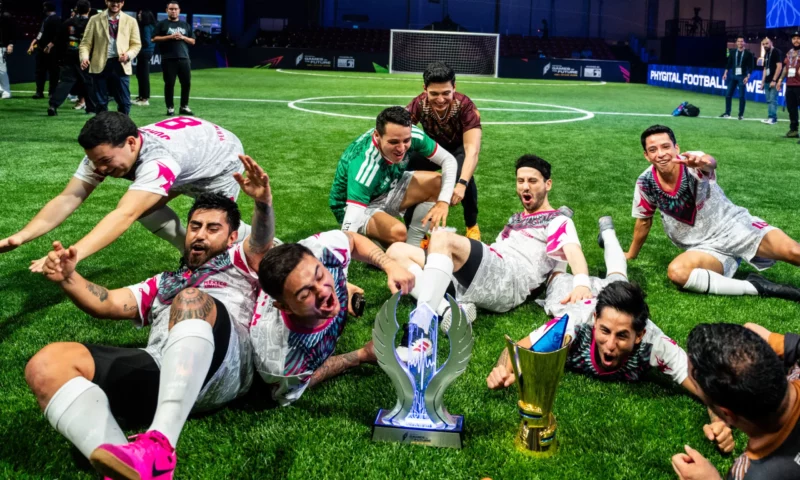
An early breakthrough came when Orlando Pirates agreed to participate in the first Phygital Rivals tournament. One of South African football’s most popular clubs, with a fanbase that stretches across the country and the continent, their involvement sent a signal that phygital was worth taking seriously.
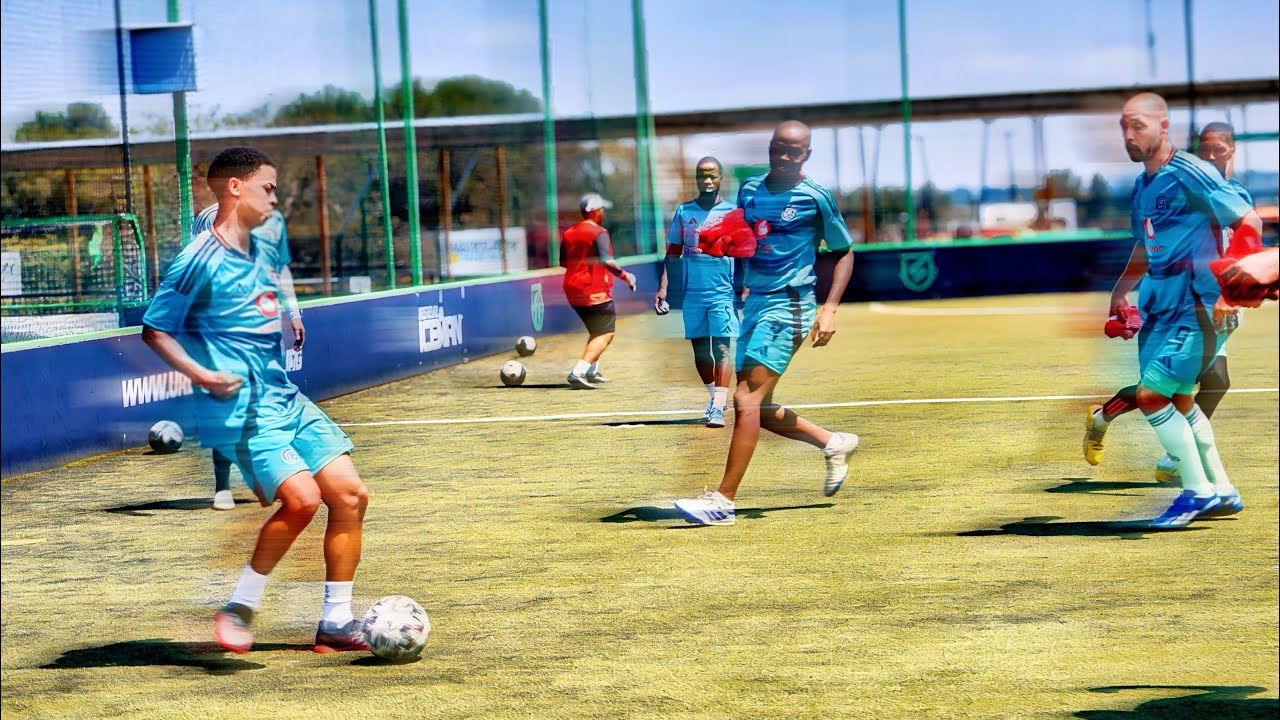
Orlando pirates helped give phygital sport credibility in South Africa
“It opened doors faster for us and gave us validation,” Sandamela says. Pirates went on to represent South Africa at the 2025 Contenders event in Abu Dhabi, where they fell in the quarterfinals against Serbia – a defeat that, rather than dampening momentum, hardened Sandamela’s ambition for the following season.
That preparation proved critical, but it couldn’t solve everything. The discipline that exposed the deepest cultural fault line wasn’t shooting or football – it was dance. Just Dance, phygital’s dancing format, runs on a fixed international game title with a fixed song library. The version used for competition contained no amapiano, the South African genre that has become one of the country’s defining cultural exports. “Everyone was about amapiano,” Sandamela says. “The dancers themselves were like, ‘Can’t we do what we do in our culture?'” His answer was straightforward: these are the rules.
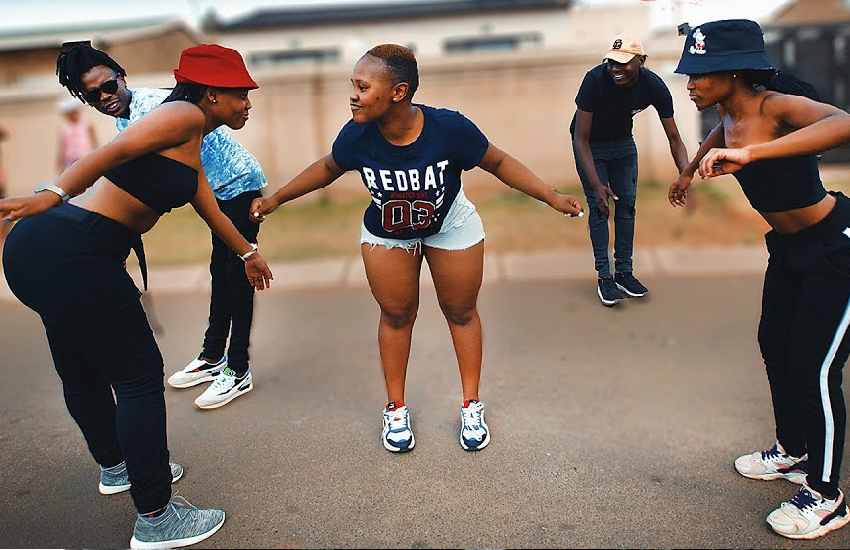
Culture clash – amapiano dancers initially struggled with Phygital Dancing
But acknowledging the constraint didn’t mean ignoring the culture. Sandamela’s solution was to recruit strategically. He sought out dancers with professional CVs – people who were already performing, already had a public profile, and were adaptable enough to transition to an unfamiliar format without losing their competitive edge. Of the eight younger dancers recruited alongside the professionals, he stipulated that at least six had to be women or girls – both to reflect the communities that phygital dance needed to reach and to build a pipeline for future seasons.
The phygital shooter discipline presented a different kind of problem. The format combines Counter-Strike with laser tag – two activities that draw from largely separate communities in South Africa, where airsoft also has its own established following. Sandamela’s response was characteristically pragmatic: a five-two split, combining five Counter-Strike players with two airsoft participants to cover the physical component. “It broadens the community for us as well,” he notes.
What runs through each of these decisions is a consistent understanding that a new sport does not arrive into a vacuum. It lands inside existing cultures, existing loyalties, and existing ideas about what sport is supposed to feel like. South Africa’s football communities needed to see Orlando Pirates participate before they took the concept seriously. Its dancers needed to be heard before they could be convinced.
Sandamela’s own advice to newcomers is simple: “Just start.” But the work behind South Africa’s success suggests that starting well requires knowing exactly where you are starting from.
You’re reading Issue 4
JUNE 2026
The lineup of teams and athletes who will take part in Games of the Future Astana 2026 is complete following the end of the final qualifying round Phygital Contenders. We look back on a hugely successful tournament and ahead to next moth’s sporting spectacular.
Read more…
 Currently reading