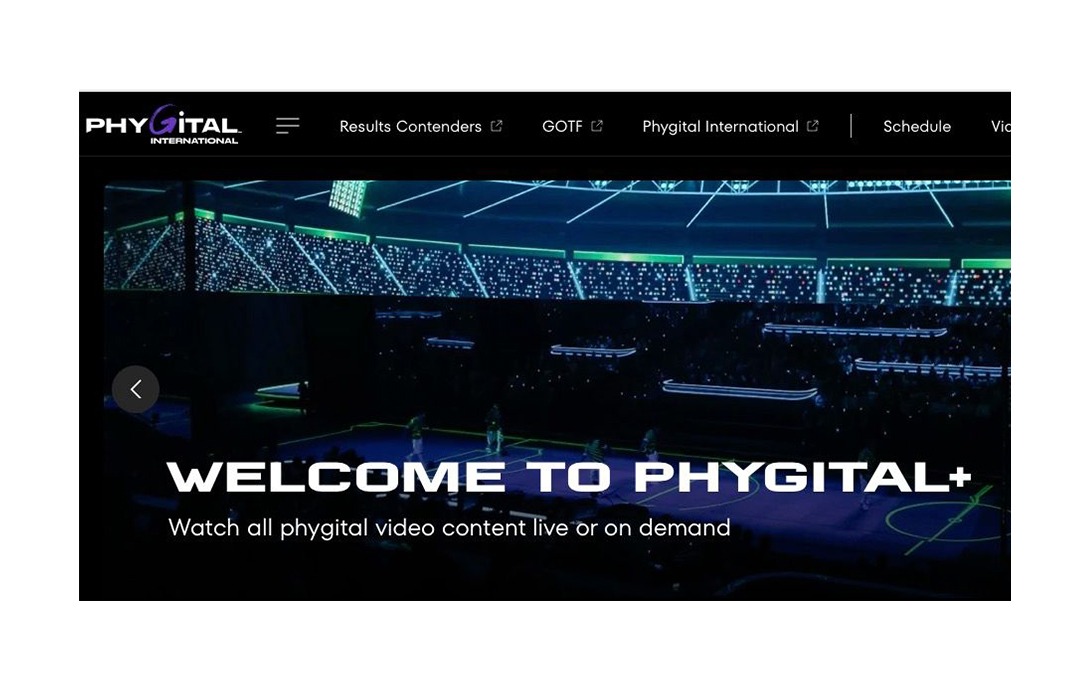
PI launches new streaming service Phygital+
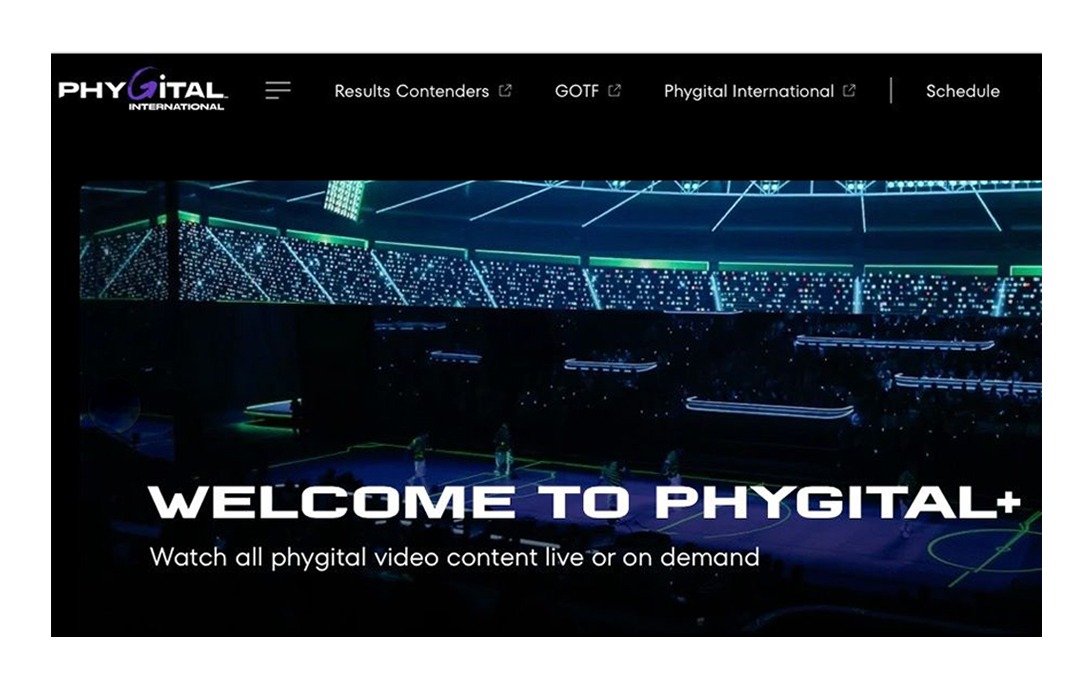
Phygital International's media rights team on the OTT platform built to give the Games of the Future a permanent home – and how it plans to fund the next generation of digital athletes.
In this article
- Why Phygital+ was created and the audiences it will serve
- Plans for a new subscription service to fund phygital sport
- Long-term plans to move beyond event coverage
Phygital sport is still finding its commercial footing, but its leadership already knows it needs more than live events and broadcast deals to grow. Enter Phygital+, the organization’s own direct-to-consumer platform. We spoke to Julian Bühler, Media Rights Distribution Sales Manager, and Andre Flaeckel, Executive Advisor, both at Phygital International, about what the platform is for and where they see it in five years.
Q: What gap is Phygital+ meant to fill?
Andre: It’s important for us to have a home base for our own content – a direct-to-consumer platform that gives us full control. When we work with media partners, it’s a close relationship, but we can’t dictate what they do with the content. Our own platform is different – we have full access and full control there.
It also works as a library. Everything we produce gets recorded and made available on the platform, accessible to fans in nearly any country, so people can revisit old matches across all the games as new content is added over time. And it gives us a lot more data – where users are coming from, how long they’re watching, what they like and don’t like – which feeds directly back into how we develop the product for future editions.

Andre Flaeckel
Q: Is the platform free, subscription-based, or ad-supported – what’s the business model?
Andre: It’s the home of the Phygital revolution –everything we create and record lives there. We launched the platform in a different form in Abu Dhabi, where it was free with a simple sign-up. We also wanted to protect the rights of our other partners at that stage.
We’re now turning it into a paid system, because we need to generate revenue that we can distribute back to our member associations. Producing this content isn’t cheap – we’re talking seven, sometimes eight-figure production budgets – and we need to keep reinvesting in the product. So there will be passes available for the next Games of the Future, somewhere between $5 and $10, whether that’s a daily pass, an event pass, or eventually a yearly pass. People sign up, pay, and get access – and that money flows back down through the pyramid to the rest of the ecosystem.
Q: Beyond live tournament coverage, are there plans for athlete profiles, documentaries, or original content?
Andre: Yes – interviews, documentaries, highlights, recaps, all of it. We’re trying to generate as much content as possible from what we already capture, working with colleagues in other departments as well as with media partners, and making all of that available alongside what we’ve already produced.
It’s not just an eight-hour live stream sitting there. We want people to be able to find a specific match without having to remember which day or what time it aired. Making the platform simple and easy to navigate matters a lot, especially with so many disciplines and teams from all over the world involved.

Julian Bühler
Q: How does Phygital+ fit alongside your broader media partner network and community streamers?
Julian: Phygital+ is one layer of a three-layer distribution strategy. The first layer is community streamers – usually very focused on a single discipline they’re already invested in. The second layer is media partners and streaming platforms, who tend to choose disciplines based on what’s most relevant to their market, often tied to which national teams are competing. A Mexican partner, for example, will naturally focus on Mexican teams and players.
Phygital+ is the third layer – it’s accessible everywhere, and it exists to fill whatever gap those first two layers don’t reach. It’s for the audience that doesn’t yet have a media partner or community streamer covering what they want to watch.
Andre: I’d add that it’s also a platform for the wider ecosystem – federations, teams, local tournaments, even hero stories. Someone who grew up gaming in Mexico or Africa and became a professional digital athlete – that story can live there too. So can regional tournament footage, or even a specific incident a referee wants to rewatch from weeks earlier.
Q: Where do you see Phygital+ in three to five years – a standalone platform, or part of something bigger?
Andre: It stays part of the broader media strategy – we couldn’t operate without it, because at some point you need control over your own content, your own library, your own globally accessible home base. The goal is to keep growing it in whatever way is possible, and in the best case, that builds real value.
There’s a parallel worth thinking about: FIFA+ was eventually folded into a larger rights deal – reportedly for over a billion dollars. I’m not sure that scale is realistic for us in three to five years, but it’s the kind of ambition worth having. Maybe it’s part of a future negotiation. Think big, think outside the box.
This is the first in a series of conversations with Phygital International’s media rights team. Future pieces will look at how the organization sells media rights for a sport with no existing reference points, what’s driving its broadcaster strategy market by market, and the technical challenge of broadcasting a discipline that’s part real-world, part esports.
You’re reading Issue 4
JUNE 2026
The lineup of teams and athletes who will take part in Games of the Future Astana 2026 is complete following the end of the final qualifying round Phygital Contenders. We look back on a hugely successful tournament and ahead to next moth’s sporting spectacular.
Read more…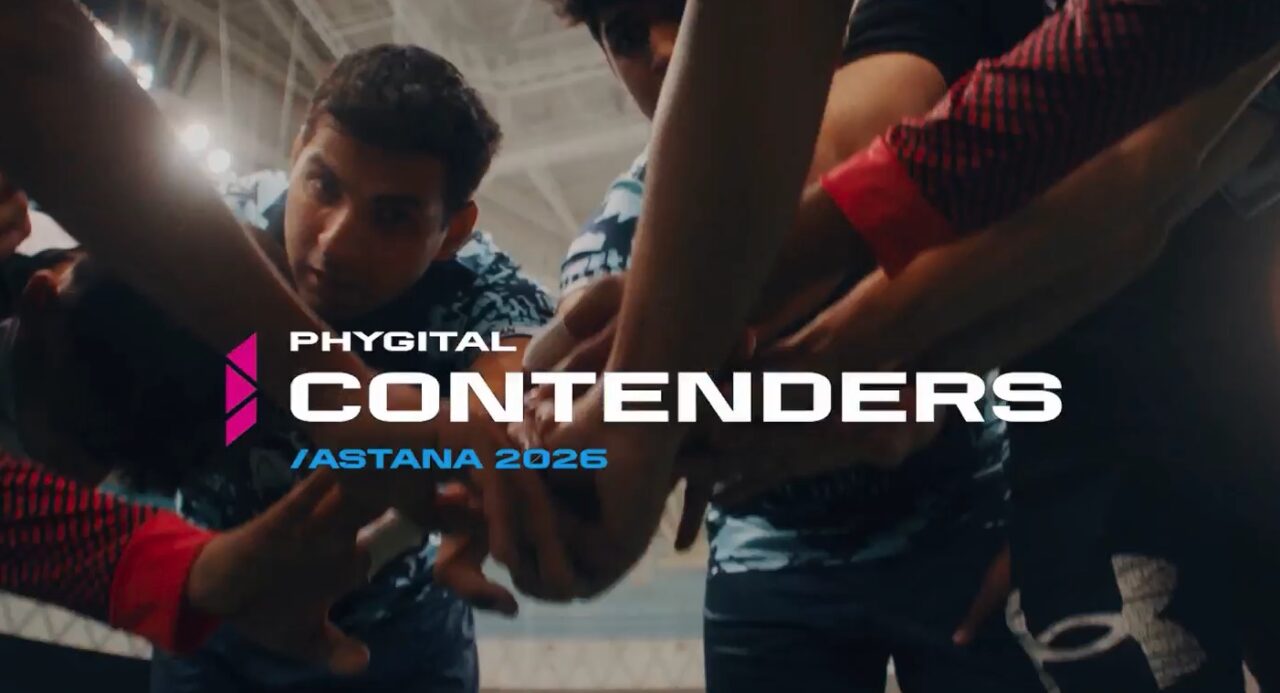


 Currently reading