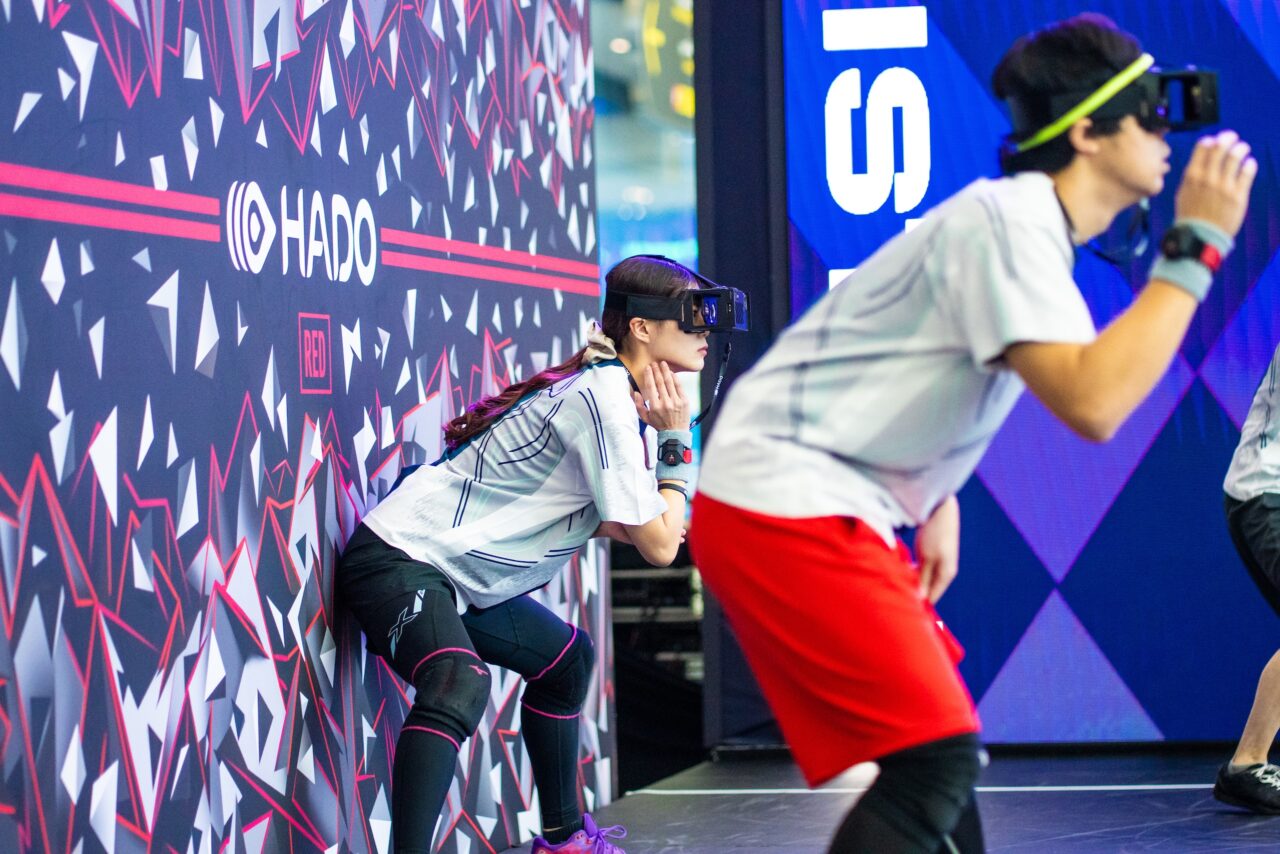
Inside the phenomenal rise of Phygital Dancing
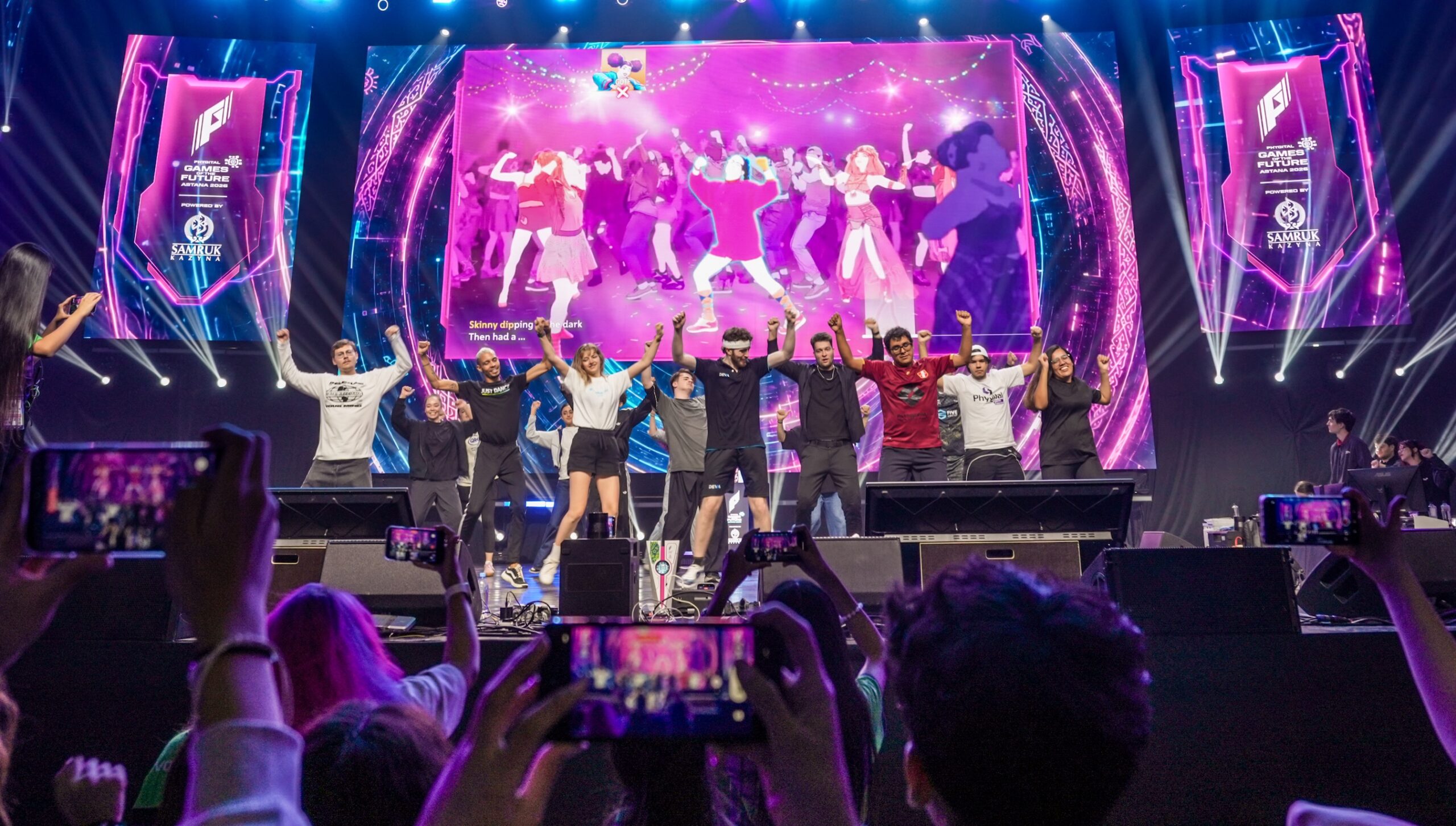
Franco Vitali didn't train in a federation-funded facility – he practiced in living rooms with friends, playing a game he'd loved since he was nine. This year he turned that hobby into a Games of the Future world title. His story is a case study in how little investment it takes to build a genuinely global sport, and why the decision-makers who fund tomorrow's sporting programs should be paying attention now.
In this article
- What is Phygital Dancing and how does it work?
- How dancing can provide a cost-effective alternative to sport in schools
- The communities working hard to establish international competitions
When Franco Vitali stepped off the competition floor as this year’s Games of the Future Phygital Dancing champion, he capped a journey that began, by his own account, with a childhood obsession rather than a training plan.
“I started dancing in 2010, when I was nine,” the 25-year-old Argentine recalls. “Dancing came to me through the game – I played Just Dance 1 for the first time with a friend, and since then I became obsessed with it.” Sixteen years later, that obsession turned into a world title, achieved not on a traditional dancefloor but through a video game format that is rapidly becoming one of the most compelling case studies in phygital sport.

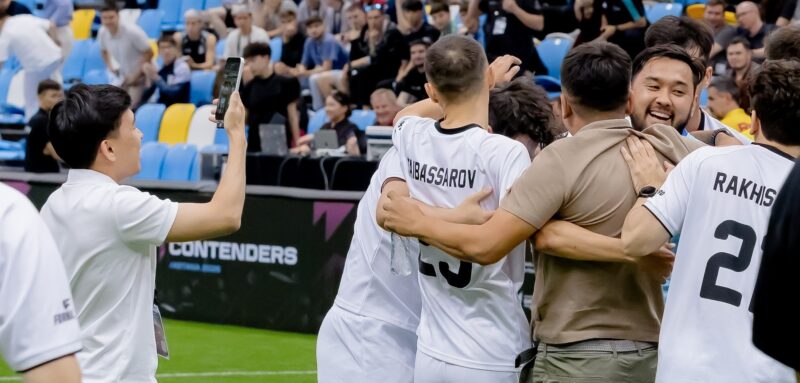
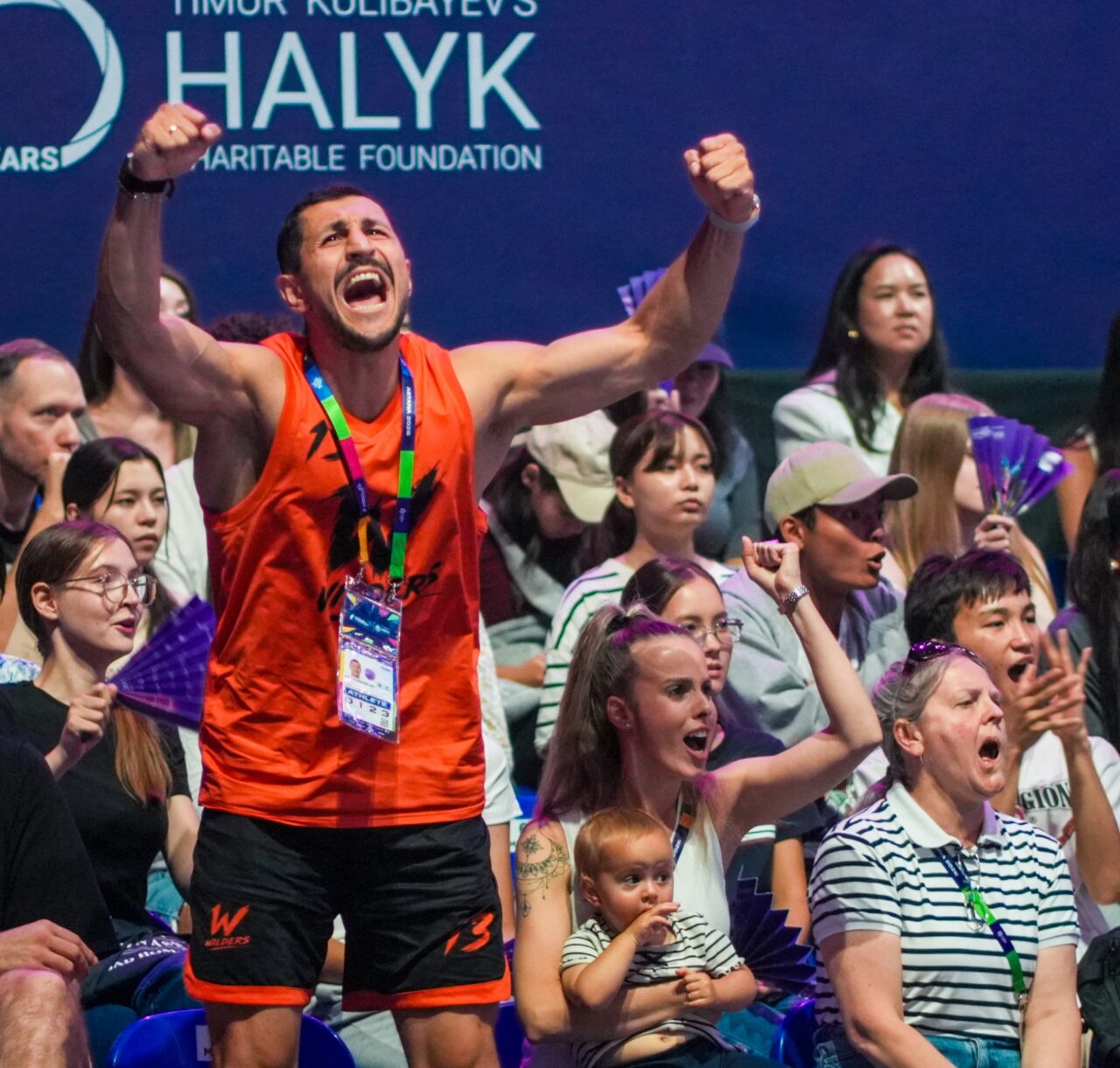
Franco and runner-up Lina at Games of the Future 2026
Vitali’s path to the top is instructive precisely because it is so ordinary. He is not a trained dancer. He holds down a PhD in biological sciences and teaches at his university. He prepared for the qualifiers the way any dedicated athlete would – practicing every song before and after every match – but he did it with friends in Buenos Aires living rooms. “I don’t do any other sport. This is the sport I do,” he says simply. For decision-makers weighing where to direct sporting investment, that combination of elite achievement and near-zero barrier to entry is worth taking a look at.
What is Phygital Dancing?
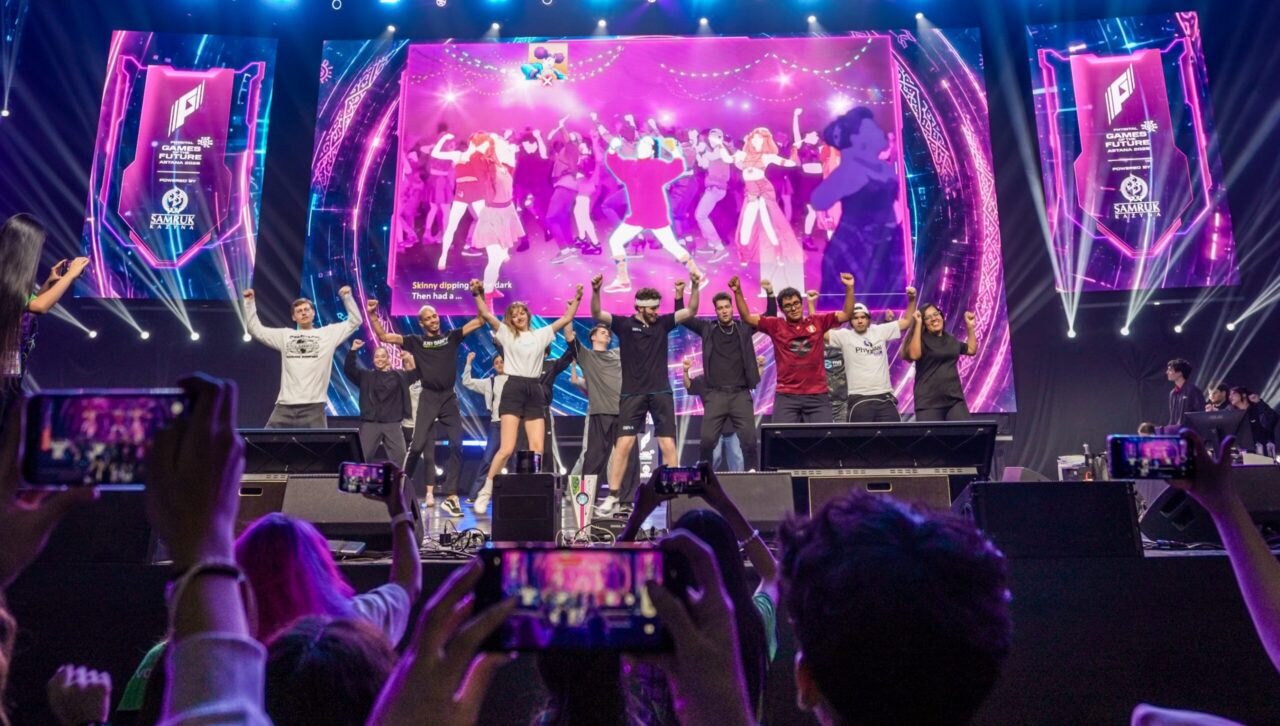
Phygital Dancing pairs the reach of a globally popular video game with the physical demands of live performance. Competitors replicate on-screen choreography to popular music while an in-game algorithm scores their accuracy, style and rhythm in real time. At Games of the Future level, the format is a 16-athlete double-elimination bracket, contested best-of-three, with each match drawing five tracks at random from an official pool – a structure that rewards range and stamina as much as flair.
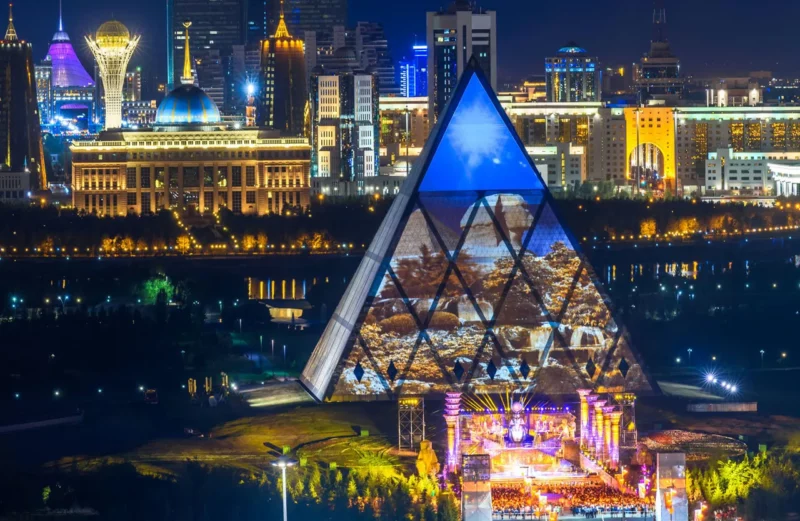
The discipline sits inside the broader phygital sport movement governed by Phygital International and the World Phygital Community, alongside disciplines such as Phygital Football, Phygital Basketball and Phygital Shooter. Its flagship showcase, the Games of the Future, has grown quickly: the 2025 edition in Abu Dhabi marked Just Dance’s international debut as a ranked discipline, and this year’s tournament in Astana, Kazakhstan offered a US$75,000 prize pool for participants. As winner, Franco Vitali took home US$20,000 of that.
That the underlying game is Just Dance is no accident. Launched by Ubisoft in 2009, it has grown into the best-selling music video game franchise of all time, with more than 90 million copies sold across over 30 titles and a dozen platforms. Crucially, it requires no dance training to pick up and is easily understood by spectators – the music itself telegraphs the movement, so audiences unfamiliar with the game can follow a match as easily as competitors can. That is precisely why organizers describe it less as an esport with a physical layer, and more as a sport that happens to be played through a screen.
Grassroots growth, global potential
Vitali’s success was built on infrastructure most federations would recognize as strikingly lean. Nicolás Manuel Crespo, who runs Argentina’s phygital association and has worked with the community for nearly a decade, is candid about it: “We don’t yet have the means to provide a trainer. They get together at each other’s homes and practice for hours and hours.”
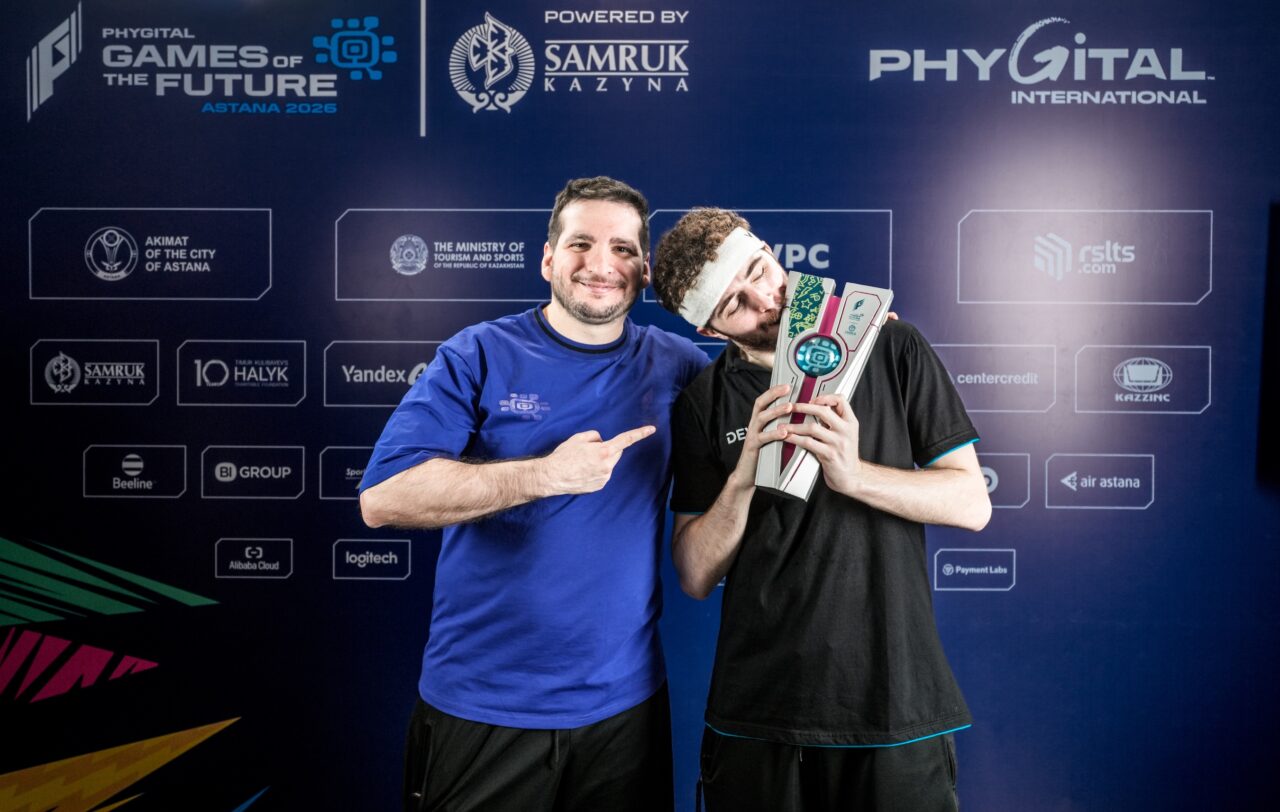
Franco and Nicolas Crespo following his win in Astana
What Crespo’s organization does provide – school and university outreach, a couple of annual competitions, and a route into the international scene – has been enough to produce a world champion, and he sees far more headroom. “It’s a sport that girls in particular can get into very quickly,” he notes, and one that fits schools with little sporting infrastructure just as easily as elite arenas.
That grassroots element should matter to policymakers. Global youth inactivity remains stubbornly high – an estimated 81% of under-18s fail to meet recommended physical activity levels – even as esports viewership among young adults continues to climb. Phygital Dancing occupies the narrow, valuable space between those two trends: a format young people already want to watch and play, that also gets them moving.
The competitive scene is also giving rise to a new generation of athletes. Dion Visser, a 27-year-old Dutch dancer, describes the moment he discovered the sport as life-changing. “Dancing has changed my life in so many ways! I’ve travelled extensively, reached two finals at the Just Dance World Cup, helped organize national championships in the Netherlands and Belgium, and even met my best friends through it,” he said.
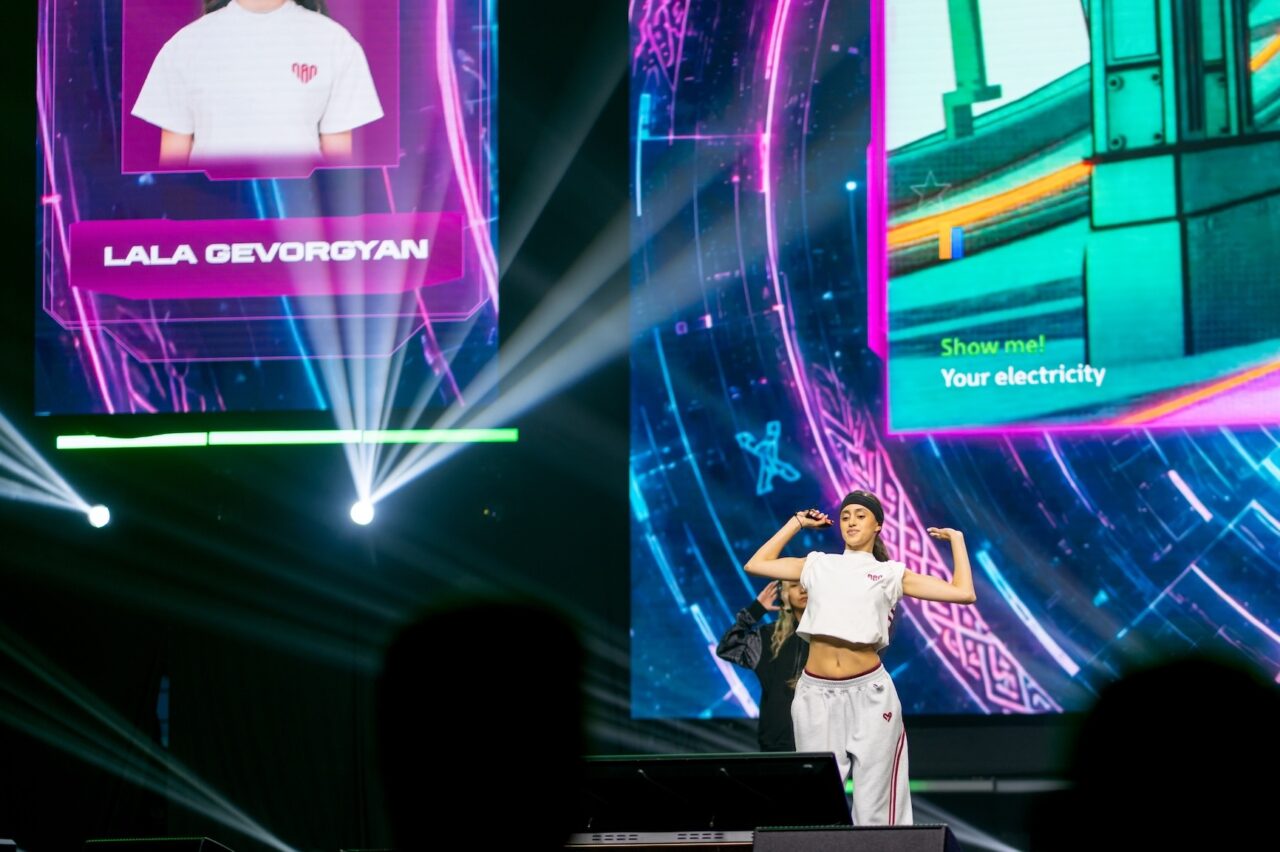
Games of the Future has added scale and professionalism to the discipline
But the Games of the Future has added a new layer of scale to the competition. “It feels like a much bigger and a more professional event,” he says. “The scale of The Games of the Future is huge, and for the first time, I’m competing for prize money, which makes me feel like a real sportsman.”
Franco Vitali’s own hope for the sport is a modest one, but it is exactly the argument decision-makers should hear: “I’ve met a lot of talented dancers who are 12 or 13 years old… I hope they get the same opportunity I did.” Building that opportunity – through school programs, modest federation support and a place on international schedules – costs relatively little. The evidence, from Buenos Aires to Astana, suggests the return is a genuinely global sport in the making.
You’re reading Issue 5

AUGUST 2026
We look back at the 12 days of top-flight competition, celebration and excitement that was Games of the Future Astana 2026 - and speak to Phygital International's new CEO about what lies ahead for phygital sport's biggest tournament.
Read more…
 Currently reading