How PI broadcasts to the world

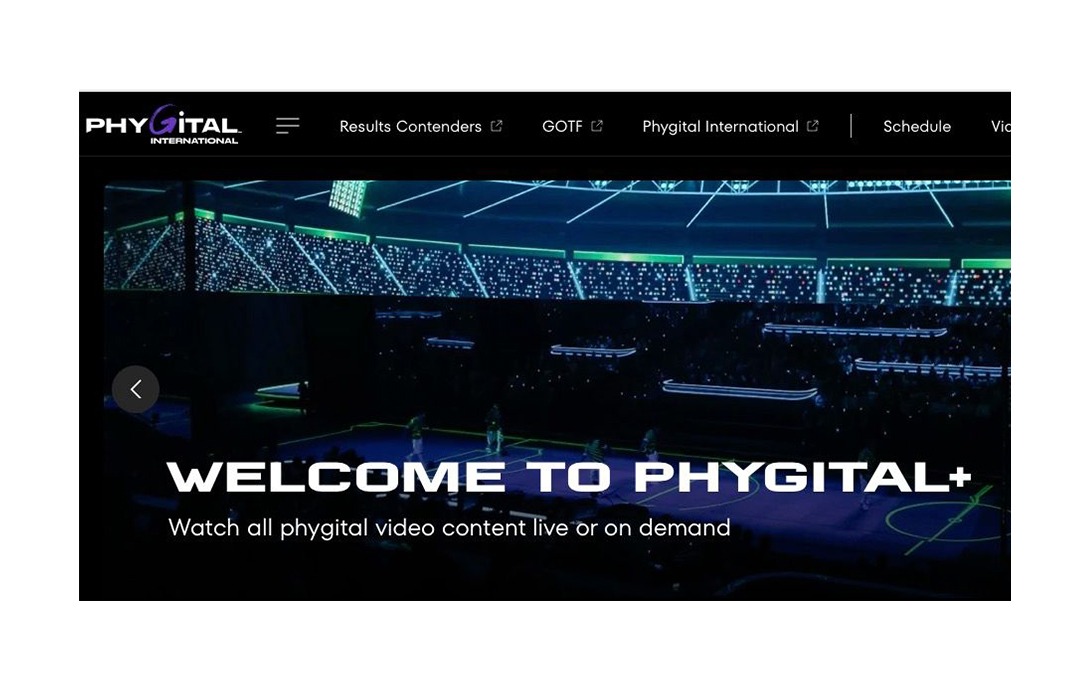
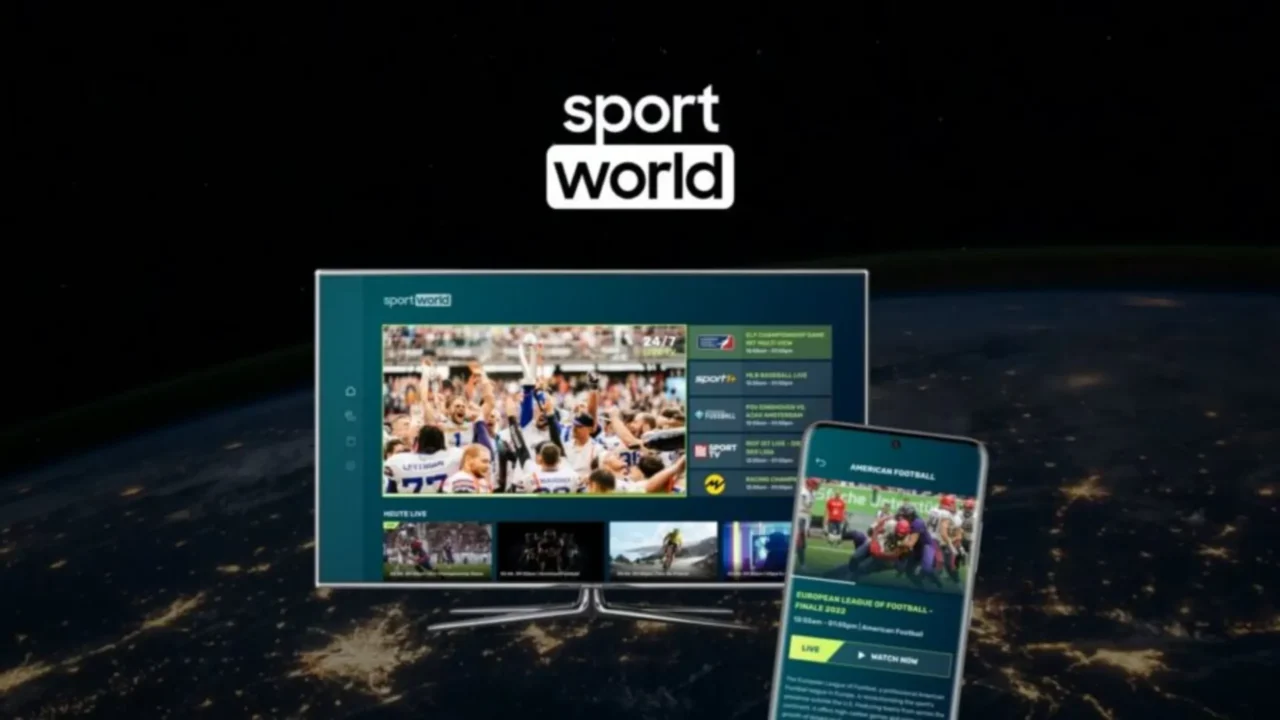
With 289 media and streaming partners in 150+ countries around the globe, Phygital International is now working region-by-region to fill the gaps. In the second of our series of conversations with PI’s media rights team, they talk about the difficulties of time zones, surprise markets, and what a typical broadcaster deal looks like.
Phygital sport doesn’t yet have a single dominant market the way football has Europe or basketball has the US. Instead, PI’s media rights team is assembling its broadcaster network country by country – weighing time zones against prime-time value, matching disciplines to the teams that make them locally relevant, and figuring out, deal by deal, how much of that relationship should run on cash versus content investment. We spoke to Julian Bühler, Media Rights Distribution Sales Manager, and Andre Fläckel, Executive Advisor, about how that map is taking shape.
Which regions are priority markets and why?
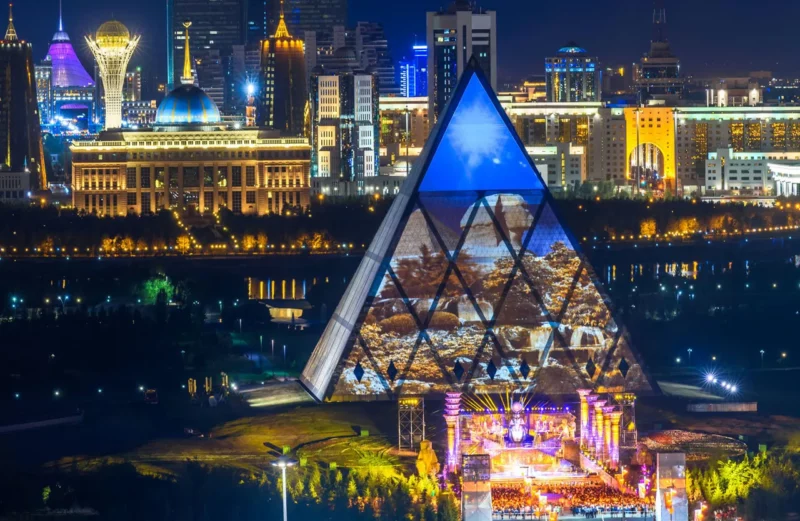
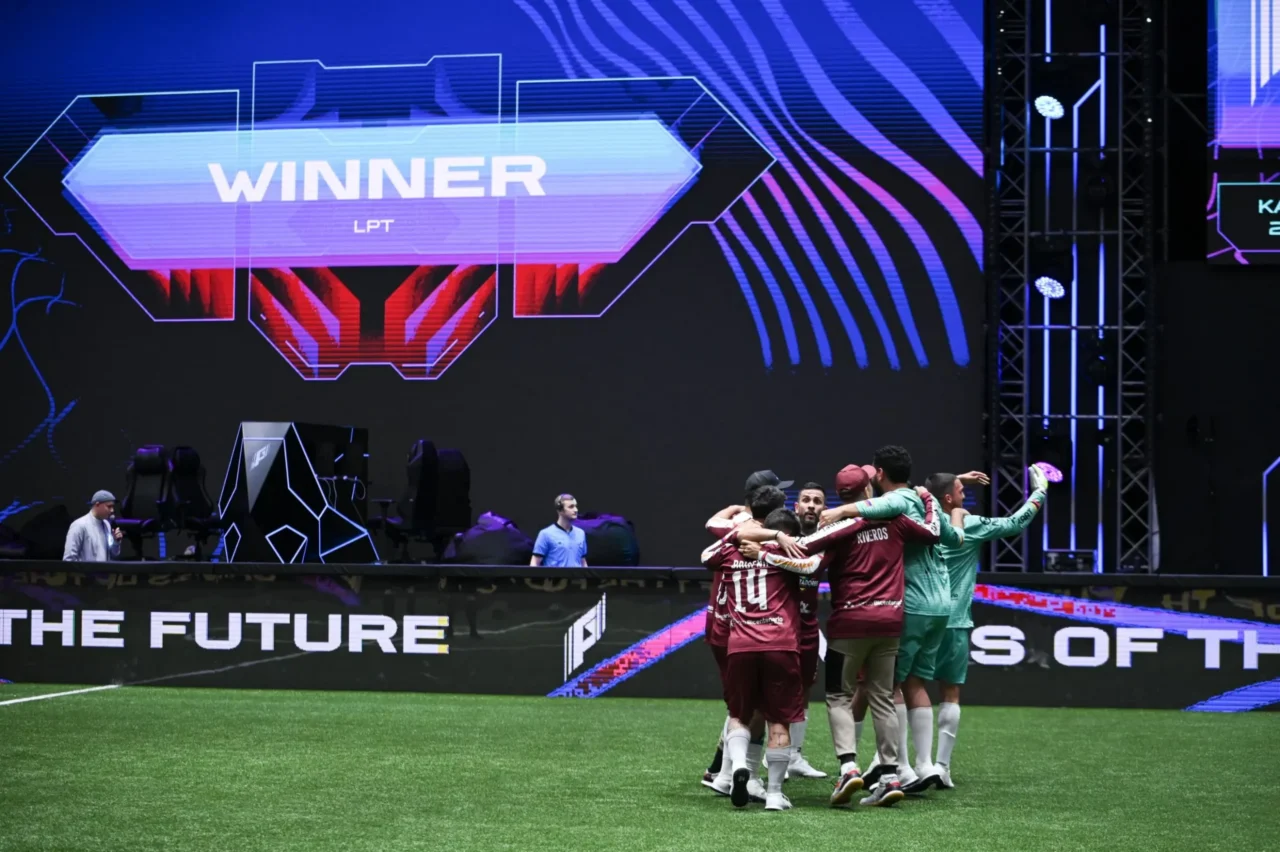
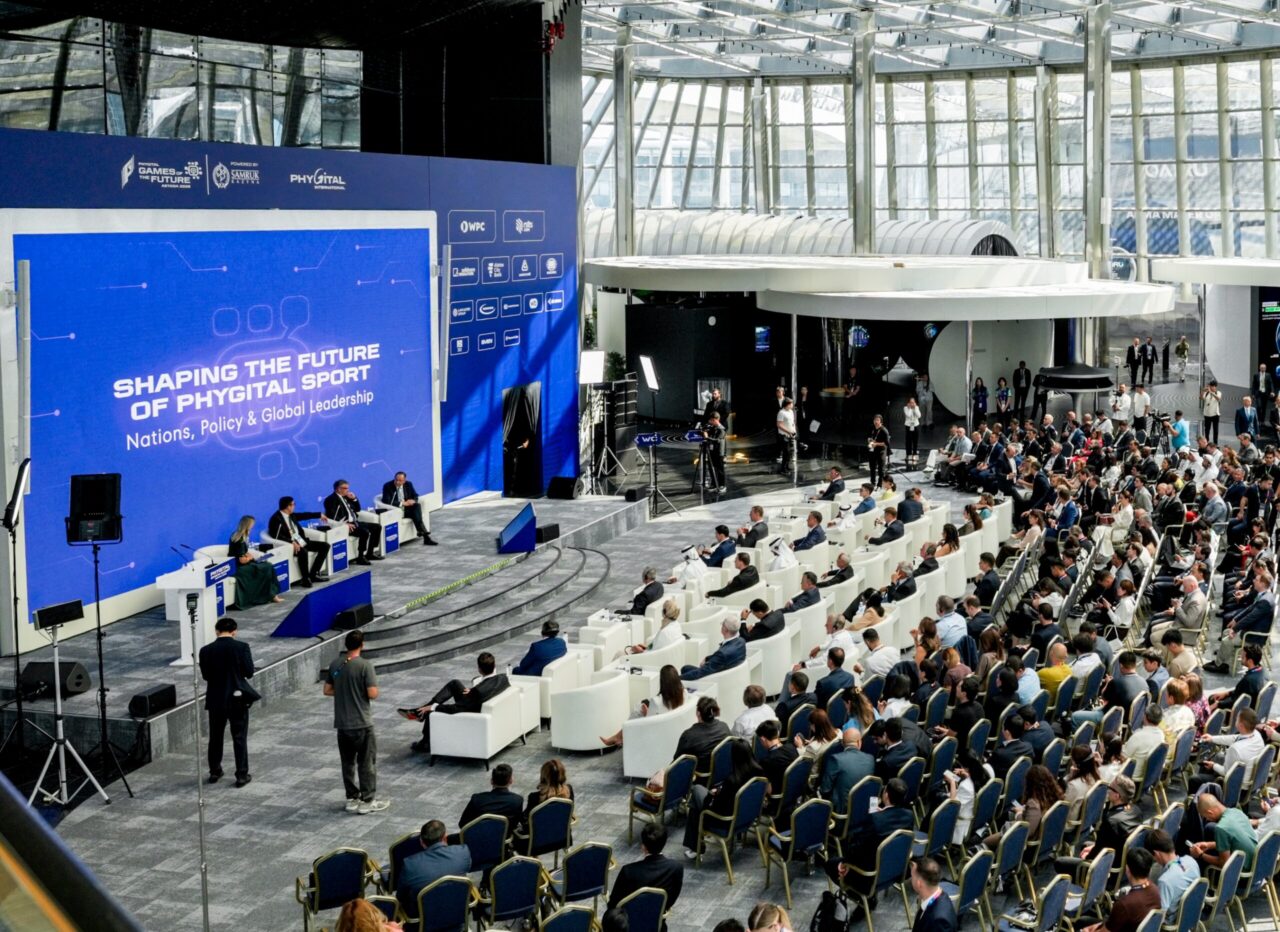
Julian: For the recent Games of the Future in Astana, Kazakhstan, we were in a great time zone for Asia, so we were focussed on Asia, the Middle East, and also South America, because it has a growing esports and phygital community. We weren’t live there because the time gap is too big, but they record it and show it on demand later. So specifically: China, India, the CIS region, Southeast Asia, Korea, Japan, the Middle East, and then South America. We do have global partners too, so it was accessible everywhere – we had some partners in Africa, North America, and Europe – but the focus was definitely Asia.
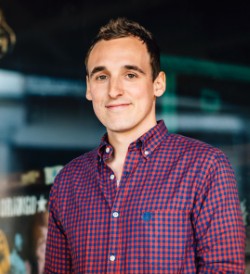
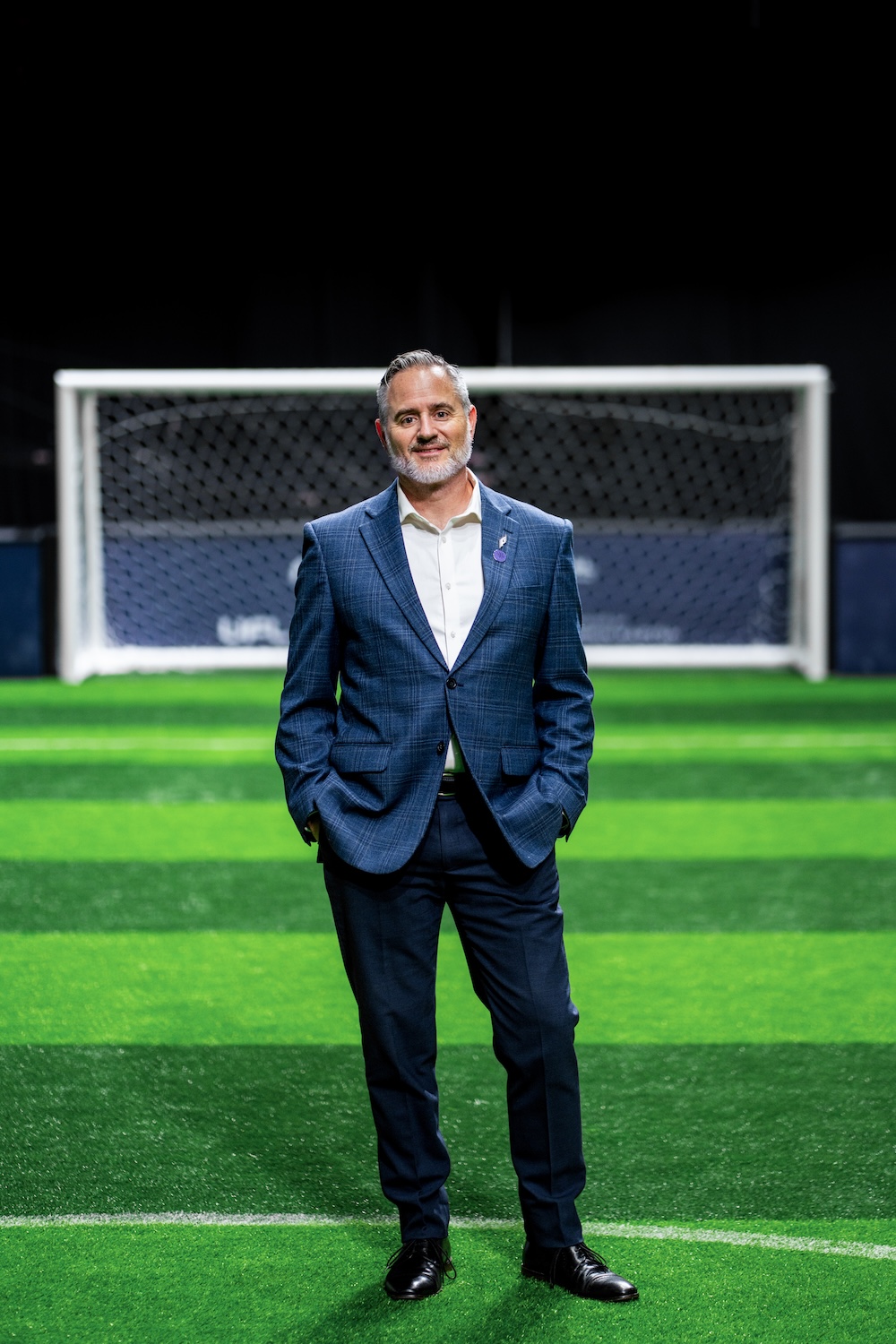
Andre Fläckel
Andre: The live window has the most value, and you want to be in prime time, when most people are watching – not the morning. But honestly, it’s a mix.
Has there been a country or region that’s exceeded expectations?
Julian: I think Spain was a big surprise for us during the Games of the Future in Abu Dhabi, and the UK surprised me too. We expected South American teams to be strong, along with our usual Asian audience – but Europe hadn’t been as into phygital sport then. So personally, Spain and the UK were the big surprises. In terms of viewing numbers, though, Europe is quite fragmented.
Andre: We’re both from Europe, so if you want to do deals there, you’re dealing with so many countries and cultures – probably 20 deals in 16 different languages. With Spain, though, you already have an entry point into Spanish-speaking South America, which helps grow the business there, since the economy is already Spanish-speaking. I’d also add that Brazil has shown really good results – it’s also the strongest and biggest market in South America.
What kind of broadcasters are you generally targeting – sports networks, gaming networks, general entertainment? Is there a focused strategy?
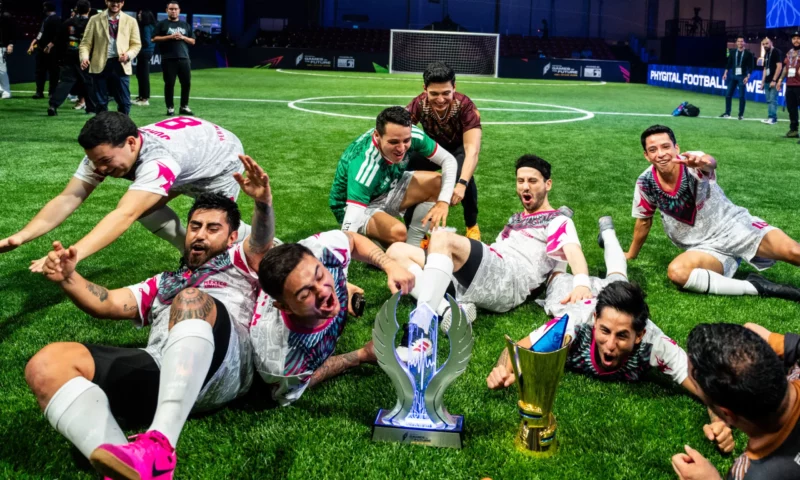
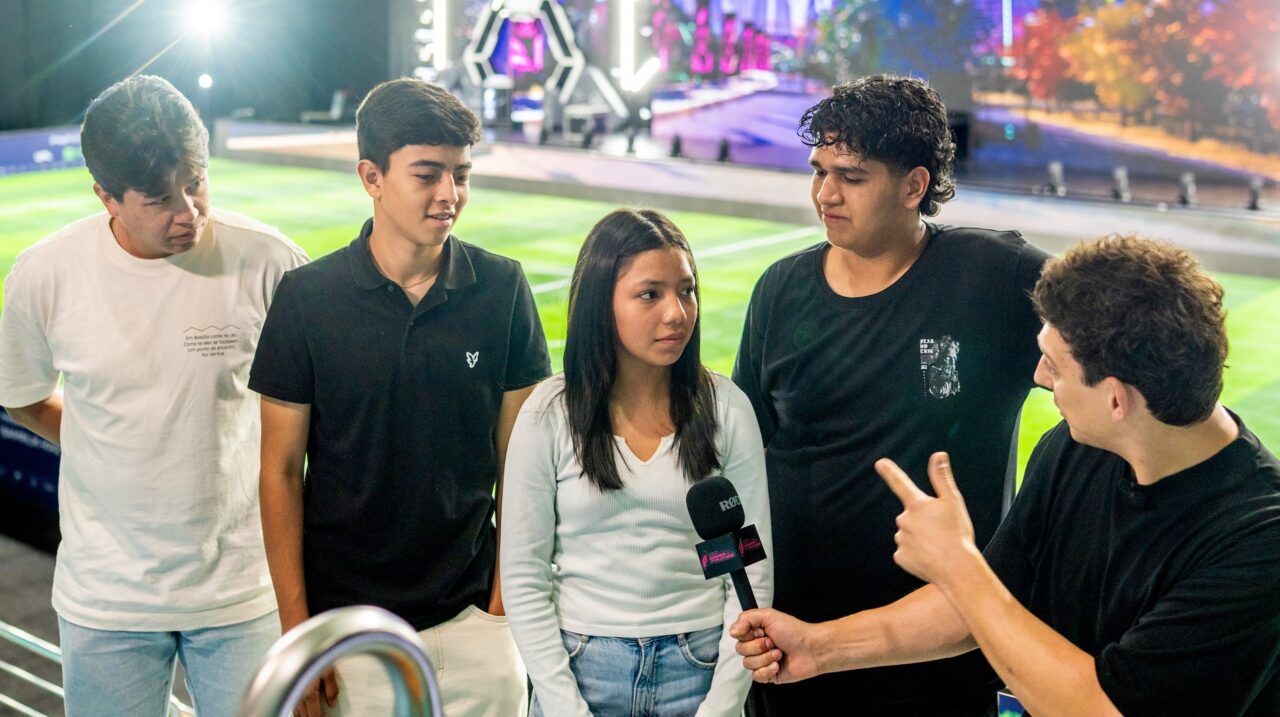
 Julian: It’s a complete mix, really – it depends. I’d say our content fits best on streaming platforms and esports channels. But as soon as we have teams or participants from a certain country, it becomes really interesting for traditional TV too. Mexico is a good example – they have strong teams and a really active Mexican member of the World Phygital Community. Our partner there followed the teams, did interviews beforehand, and ran a lot of social media activity. So, it’s really mixed, but generally the core is more streaming and esports channels, with linear TV as a good complement where it fits.
Andre: Linear TV gives you a lot of reach, which is a real advantage, and digital streaming platforms give you a bit more target-group fit – we need both. Julian mentioned Fox Sports México – they were so excited about their own team that they put a lot of effort into content around it, interviews, and so on. That becomes a machine that runs alongside us, something we couldn’t do everywhere on our own. Enabling those partners to do this together with the local teams is a very important piece of the puzzle.
How many broadcast partners do you currently have, and in how many countries?
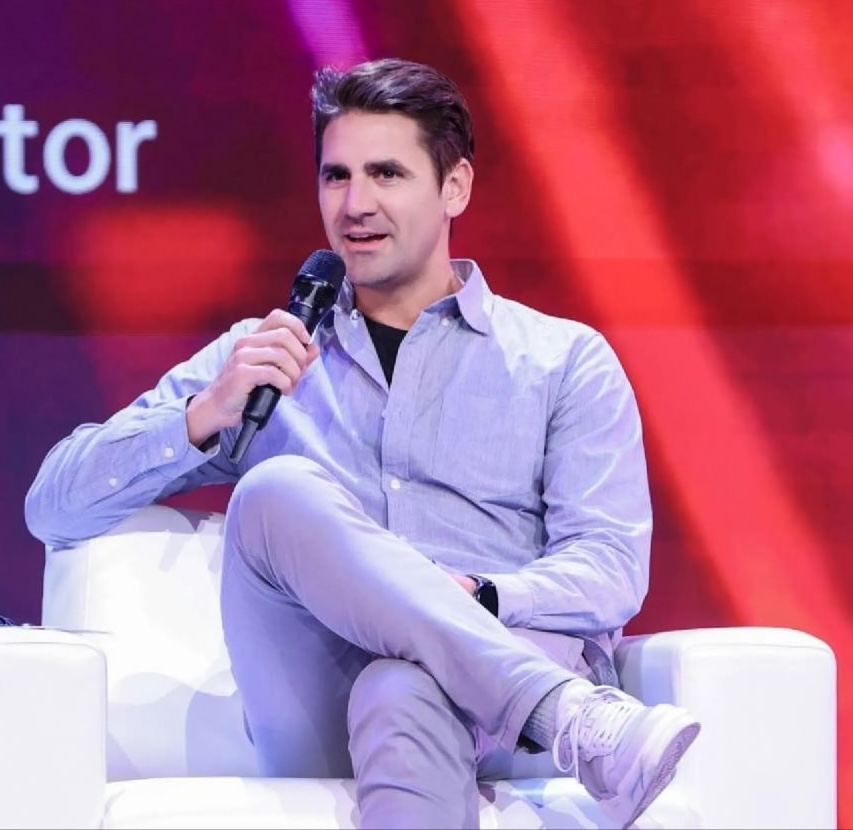
Julian Bühler
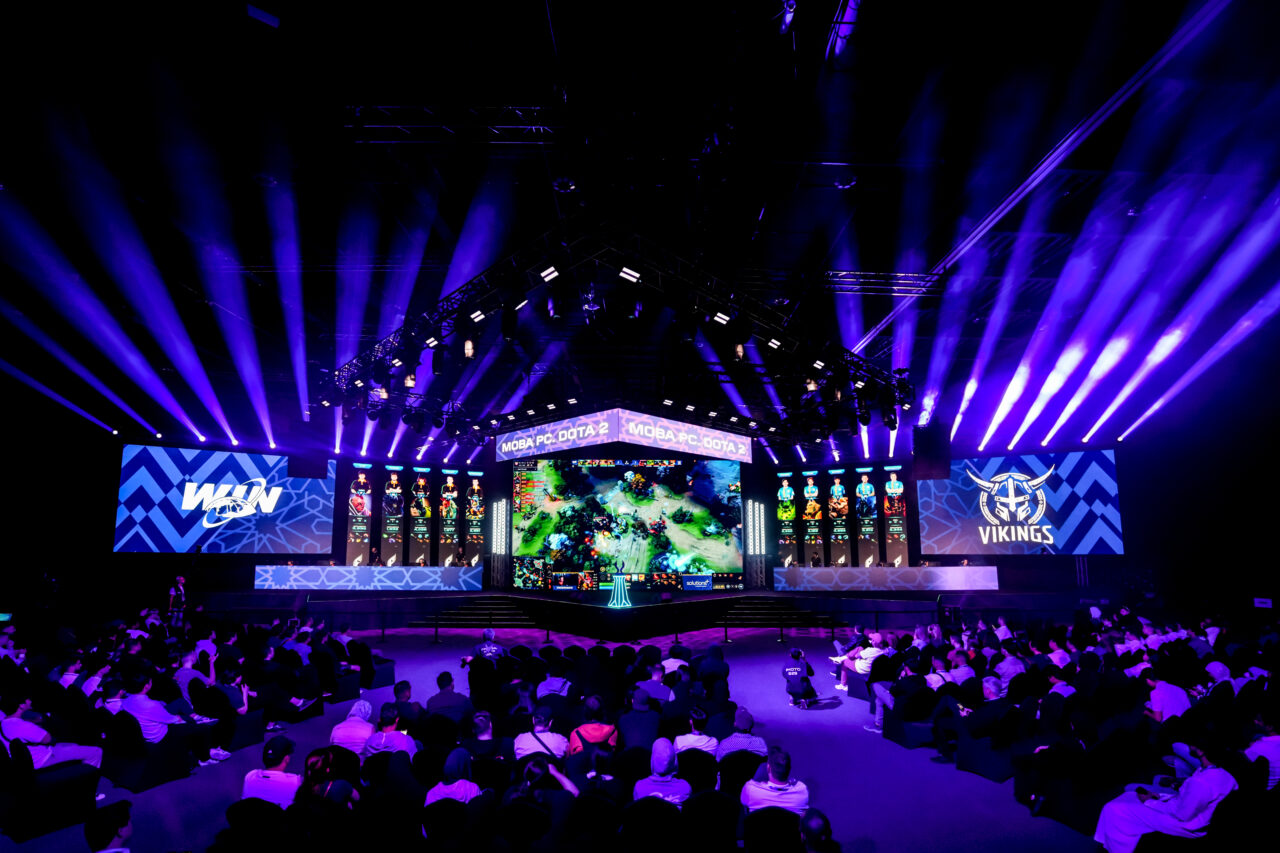
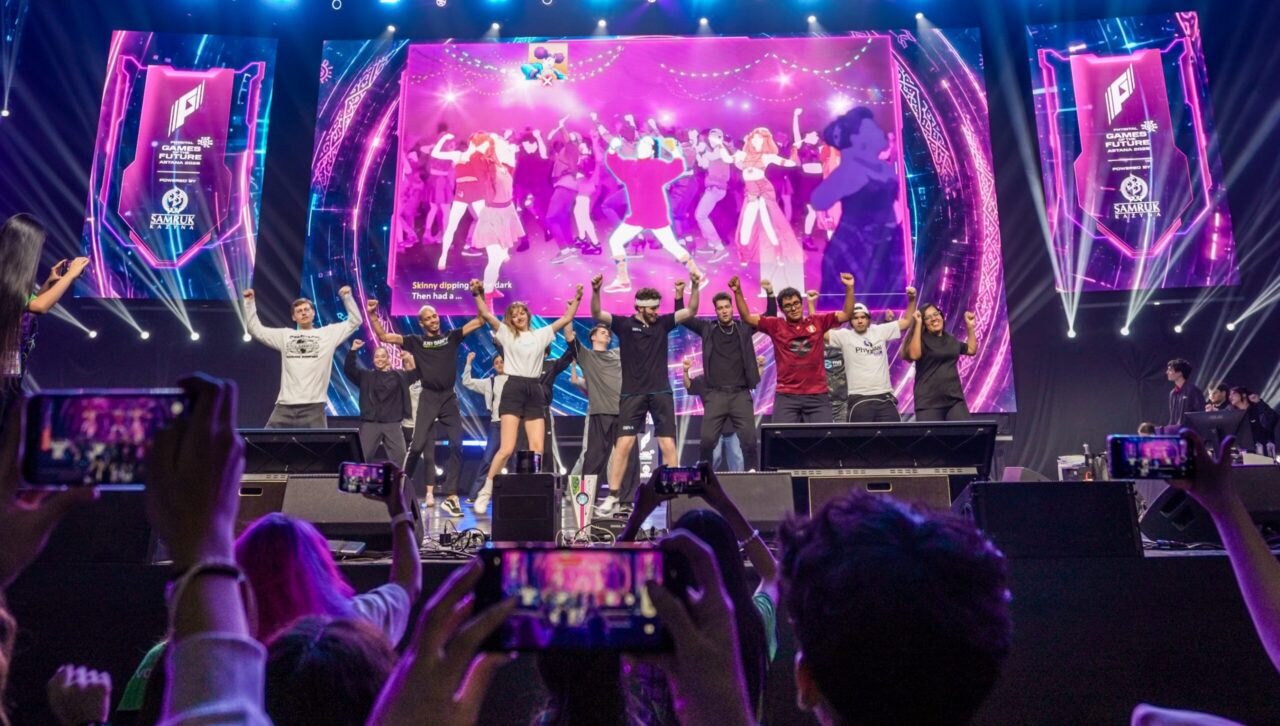
Julian: In Abu Dhabi, we had 27 media partners, in 13 languages, and 468 streamers, while the Astana games were distributed through 265 outlets, comprising 56 media rights partners, 205 community streamers and four owned channels. We reckon GOTF 2026 will have reached approximately 150 countries and territories, with live coverage in more than 16 languages. So, it’s growing all the time.
Andre: Many partners from Abu Dhabi continued or even grew their partnerships, because they already knew the product. We’re also always looking for new partners in bigger markets – India and China, for example. Southeast Asia, and Indonesia alone has 400 million people – it’s huge.
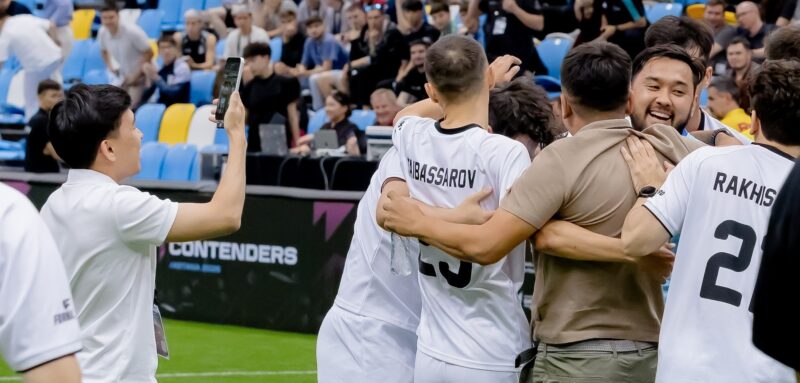
Julian: We also had two official media partners distributing the Phygital Contenders event in June. It was the qualifying event for Games of the Future and they did that too –Huya in China, and Qazsport here in Kazakhstan.
Andre: There’s a nice angle there – the Phygital Contenders coverage aired alongside the FIFA World Cup on the same channel. You turned on the channel and watched the FIFA World Cup, then Games of the Future, then back to the World Cup, then Games of the Future again. We reached people outside our core audience that way, and that’s good too.
 Meanwhile Huya has 150 million monthly active users. It’s one of the leading streaming platforms in China, very hardcore gaming and esports focused – so everyone we reach there is exactly the audience we want. That shows why the combination of linear TV and streaming platforms matters so much.
What does a typical broadcaster deal look like – rights fees, revenue share, barter, or a mix?
Julian: It’s definitely a mix – we do all of it. It’s moving toward more rights fees and more revenue share, but at the moment most partnerships are more kind-based, I’d say. We like our partners to invest in producing Games of the Future content, since it needs to be done anyway, and to work with the local teams – doing interviews and building a whole story around it.
Andre: That investment might look like a partner building a dedicated studio in their country or sending production staff and content creators to us. That’s an investment for them too, and it helps us, since they create even more content and storylines from different angles. Then we have to weigh what matters more – do we want, say, $50,000, or do we want 20 people on the ground for 10 days creating content that’s available to everyone? We’re always balancing that.
You’re reading Issue 5
AUGUST 2026
We look back at the 12 days of top-flight competition, celebration and excitement that was Games of the Future Astana 2026 - and speak to Phygital International's new CEO about what lies ahead for phygital sport's biggest tournament.
Read more…
 Currently reading