New esports report says Gen Z are the first phygital generation

A generation often described as digitally isolated is filling stadiums, travelling for live events, and spending money when it gets there. For anyone shaping the future of sport, the implications are hard to ignore.
There is a persistent assumption about the generation that grew up with the internet – they prefer screens to stadiums, algorithms to atmosphere, and online communities to live crowds.
New research, however, suggests that picture may be fundamentally wrong.
In May 2026, Niko Partners surveyed 8,000 Gen Z esports fans across eight markets. What emerged was a portrait of an audience that is both deeply digital and actively physical. In other words – phygital.
The numbers don’t lie
The scale of live engagement among Gen Z esports fans is striking.
In late 2025, the King Pro League Grand Finals attracted 62,196 fans to Beijing’s Bird’s Nest Olympic Stadium (iconic home of the 2008 Olympics). Around the event, fans generated more than 328 million Weibo topic views, demonstrating how physical attendance and digital participation increasingly reinforce one another.
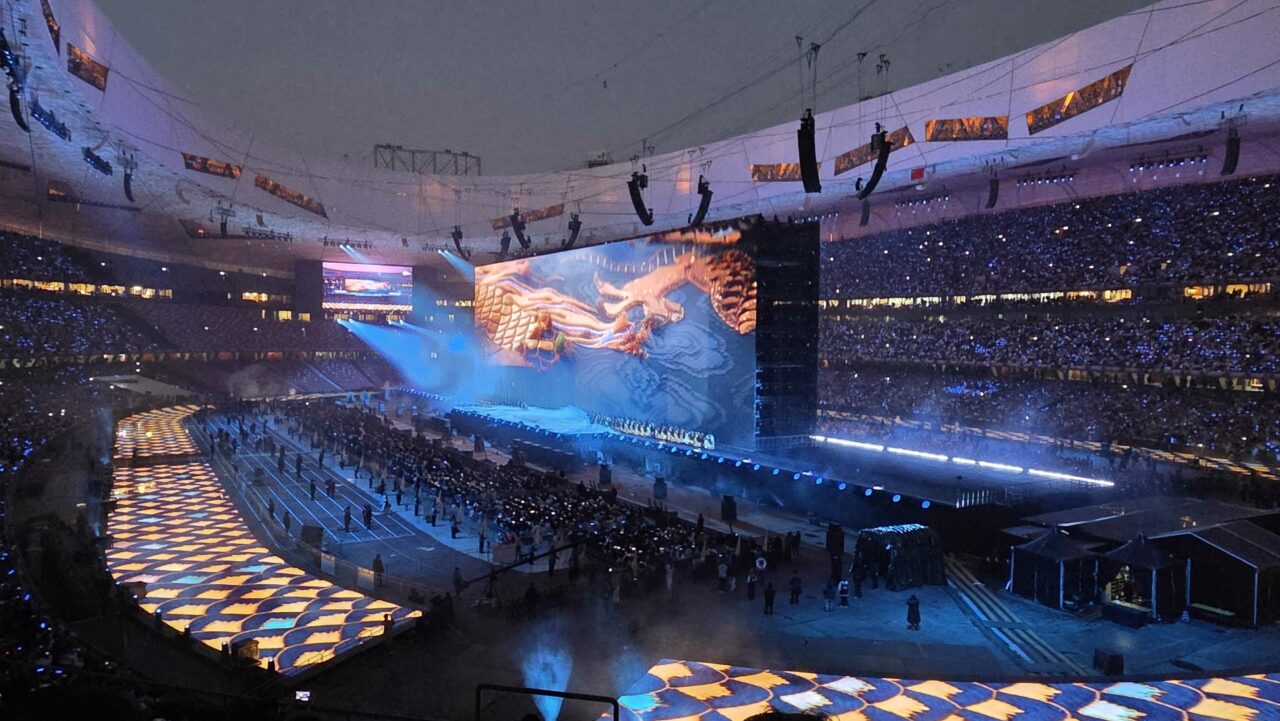
King Pro League Grand Finals 2025
The trend extends far beyond a single event. DreamHack Dallas welcomed more than 60,000 attendees across three days, becoming the largest esports festival ever held in the United States. Meanwhile, the Esports World Cup in Riyadh attracted 3 million visitors during its run.
So these are not merely novelty events drawing curiosity crowds. They are evidence of a mature live-event ecosystem that a supposedly screen-obsessed generation is actively choosing to attend. What’s more, they’re often doing so at considerable personal expense and effort.
The digital/physical crossover
Perhaps the most significant finding in the report is about behavior beyond esports itself.
Seventy-one percent of Gen Z esports fans also attended a traditional professional sporting event during the past year. More than a third (36.2%) identify watching other sports as one of their most important interests outside gaming.
This is a generation which, instead of choosing between physical and digital sport, is embracing both. That crossover has clear commercial implications. Esports fans who also follow traditional sport are 12% more likely to purchase event tickets, 12% more likely to buy merchandise, and 9% more likely to purchase from brands that sponsor or co-brand with esports.
For this audience, physical and digital experiences are not competing channels – instead they amplify each other.
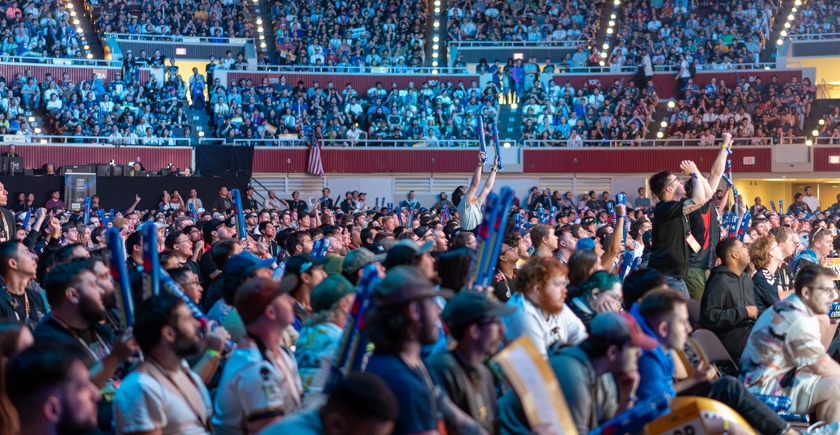
Dreamhack Dallas drew record crowds of fans
For sports organizations, this challenges a long-standing assumption that digital-native audiences must be persuaded to engage with live experiences. The evidence suggests the opposite. The opportunity is not to pull audiences from one world into another, but to create ecosystems that connect the worlds they already inhabit.
Young, fun… and increasingly female
In 2026, Gen Z spans ages 13 to 30. More than 60% of surveyed esports fans are already in full-time employment and earning in line with national averages, placing them among the most economically active members of their generation. Most have completed at least some university education, and three quarters have made a purchase directly related to esports within the past year.
They are today’s consumers, actively establishing loyalties, preferences and spending habits that may persist for decades.
The scale of the opportunity is substantial. The global Gen Z esports audience is estimated at up to 400 million people, while the broader esports audience across all age groups is expected to reach approximately 640 million in 2026.
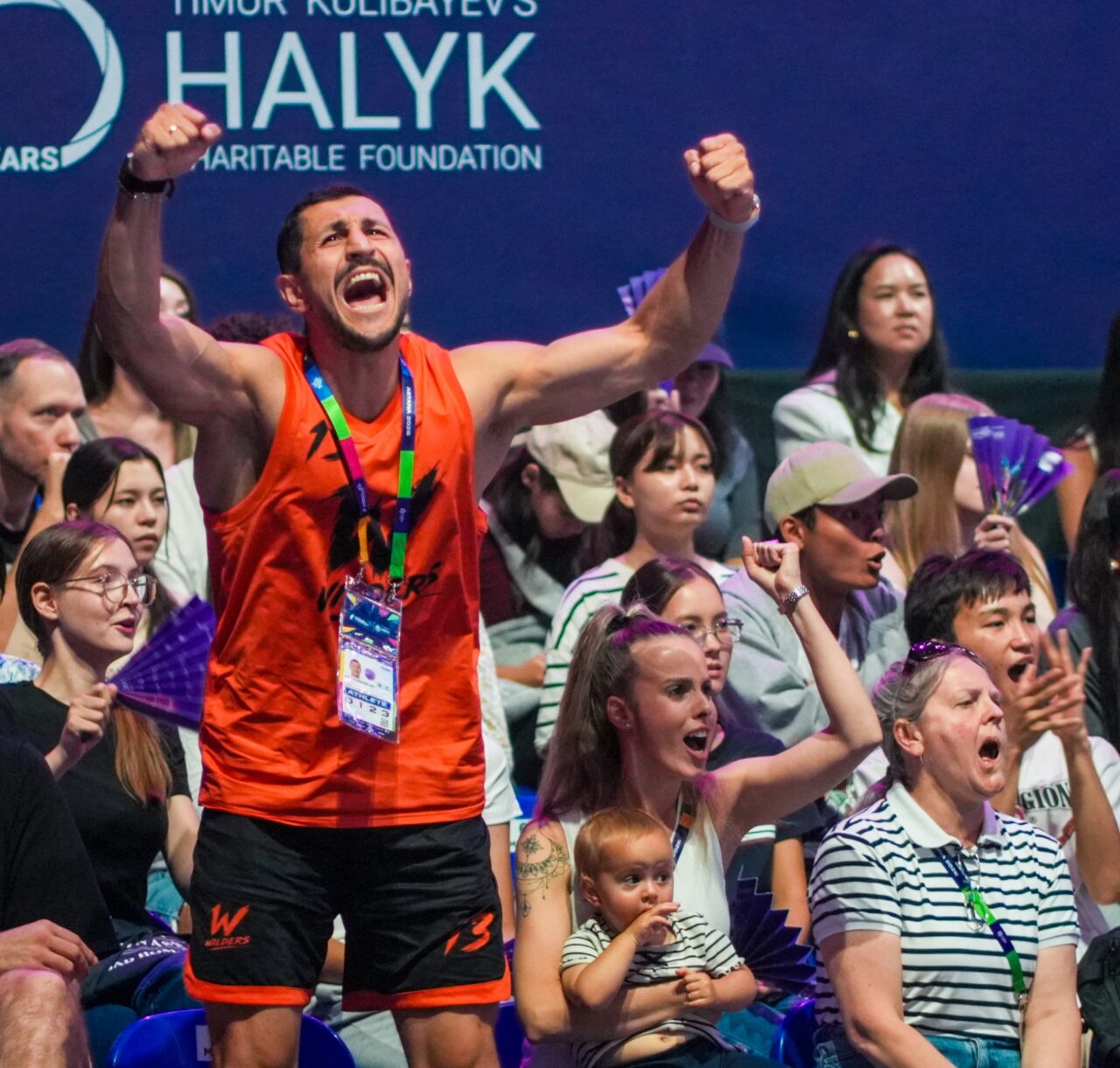
At the same time, the audience is becoming increasingly diverse. Female attendance at some major live events now exceeds 50%, and a gender split that was approximately 80/20 male-to-female just five years ago continues to move steadily towards parity.
By any measure, this is mainstream – a large, global and increasingly representative audience whose expectations are helping shape the future of sport and entertainment.

Young women often make up over half an esports tournament’s audience
What this means for phygital sport
Phygital sport is often framed as a way to bridge the gap between physical and digital experiences. However, the latest evidence suggests that for younger audiences, that gap may no longer exist.
Gen Z fans are already moving comfortably between live events, digital platforms, traditional sport and competitive gaming. They are demonstrating a willingness to travel, attend, participate and spend. What they expect in return is not simply access. They are demanding experiences that feel connected, immersive and worth the effort.
The research offers an important clue here. Production quality and visual presentation rank among the most important factors influencing how Gen Z evaluates a live esports event, closely followed by venue quality. Audiences increasingly judge experiences as complete ecosystems rather than isolated moments.
That aligns closely with the promise of phygital sport. At its best, phygital sport does not treat physical and digital engagement as separate channels operating in parallel. It integrates them into a single experience that extends participation, deepens community and creates new opportunities for fans, brands and spectators alike.
The strategic question is no longer whether digital-native generations will embrace live sport. The evidence suggests they already do. The challenge for sports organizations is to create formats that reflect how this audience actually lives – across both the physical and digital worlds.
You’re reading Issue 4

JUNE 2026
The lineup of teams and athletes who will take part in Games of the Future Astana 2026 is complete following the end of the final qualifying round Phygital Contenders. We look back on a hugely successful tournament and ahead to next moth’s sporting spectacular.
Read more…
 Currently reading