“Phygital delivers the young audiences that brands are desperate to reach"
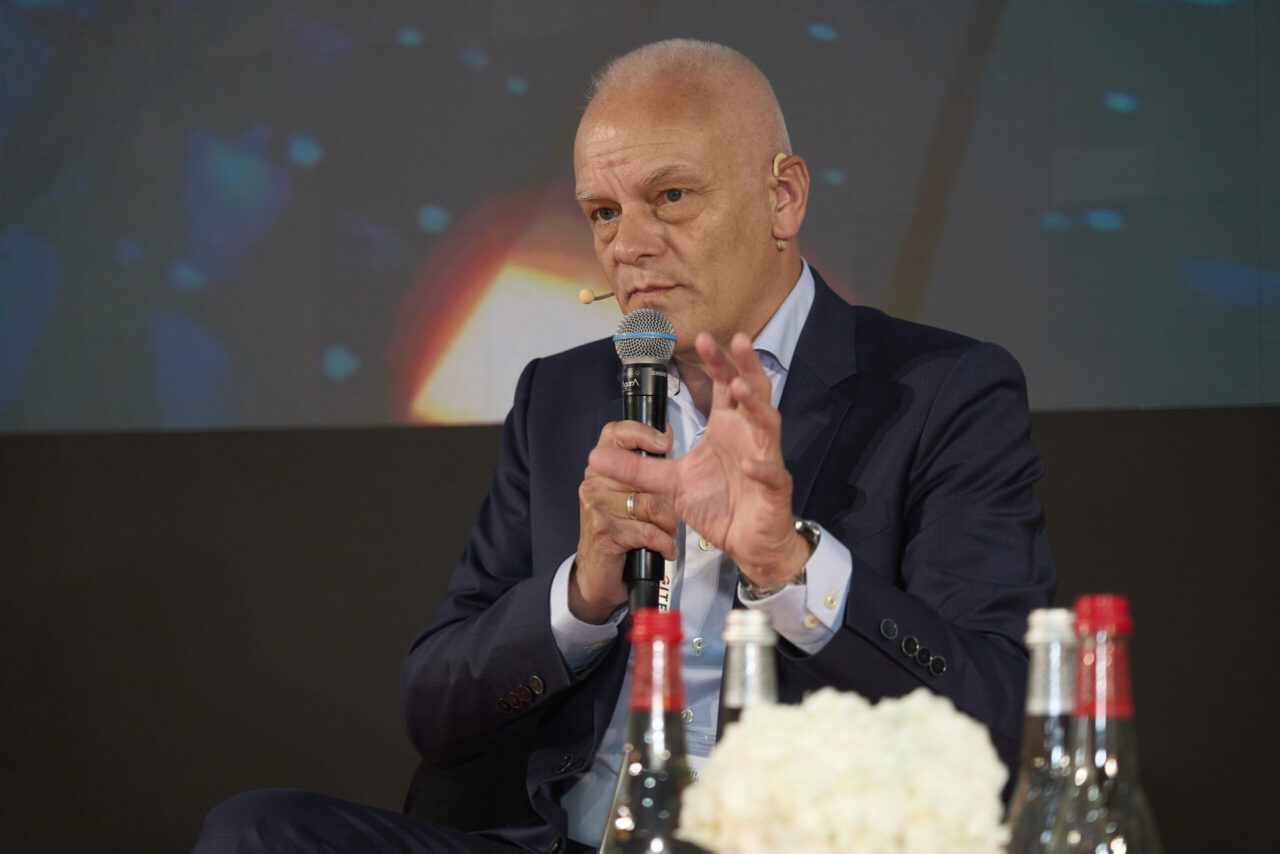
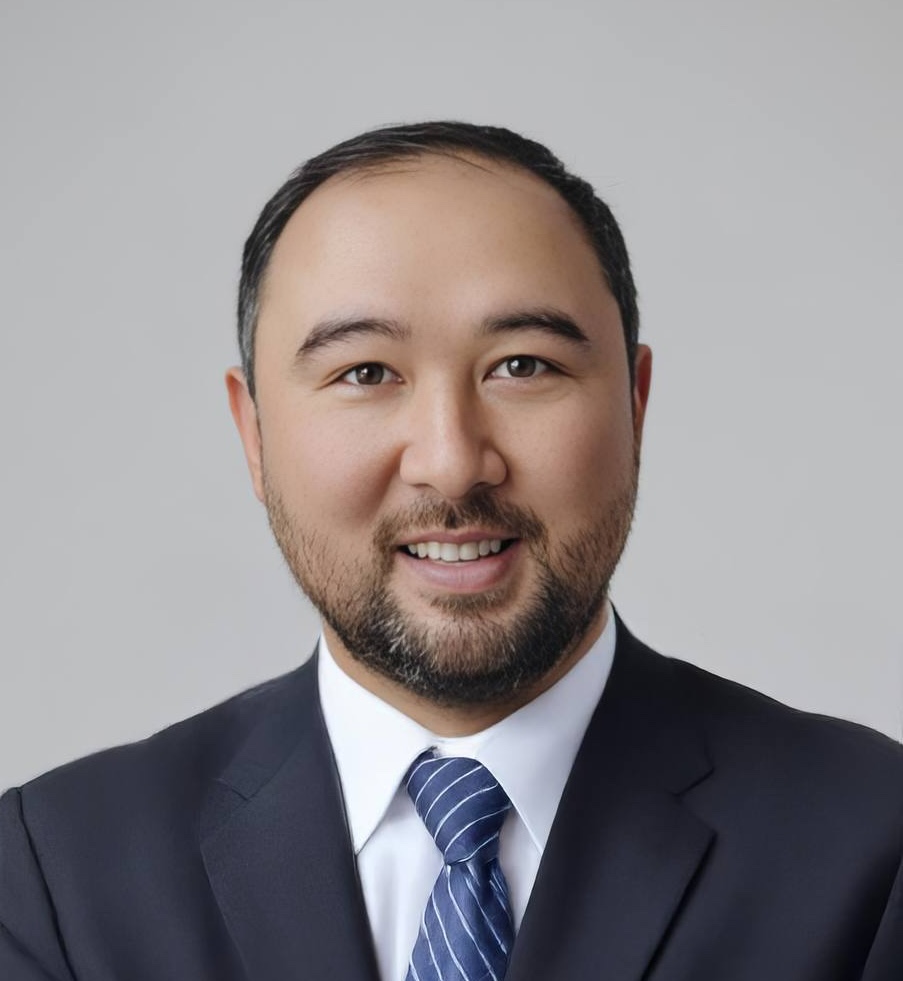
Spencer Field is the new commercial director at Phygital International, bringing with him three decades of commercial experience including stints at Opta, the NBA, News International, and Watford FC. We asked him about his plans and ambitions for his latest role.
In this article
- How GOTF is uniquely positioned to deliver the 18-35 audience that brands are desperate to reach
- The biggest challenge facing the phygital movement
Hi, Spencer. Welcome to the world of phygital! What are your first impressions?
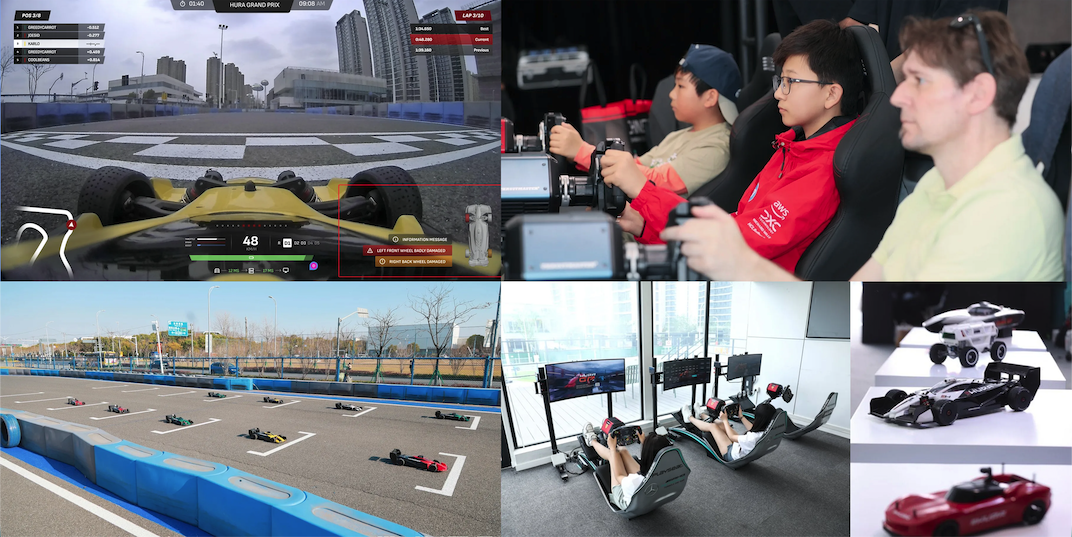
What struck me is how polished the whole product already is. The organization, the broadcast, the production values, the global reach — 120 World Phygital Community members around the globe. When I saw the whole operation properly for the first time, I was taken aback. It’s seriously high end, and I don’t think enough people outside the phygital community know that yet.
 What’s the biggest challenge you face commercially?
Education, without question. If you call someone and say you’re from the NBA, they know exactly what you’re talking about. With phygital, too many people at brand level still haven’t heard of it. So before you can even begin to talk about a commercial partnership, you have to take someone on a journey – explain what this is, show them the audience, bring it to life for them. That takes time, but I’m fine with that, because what we’re explaining is genuinely compelling once people engage with it.
So what is the commercial case? Why should brands care?
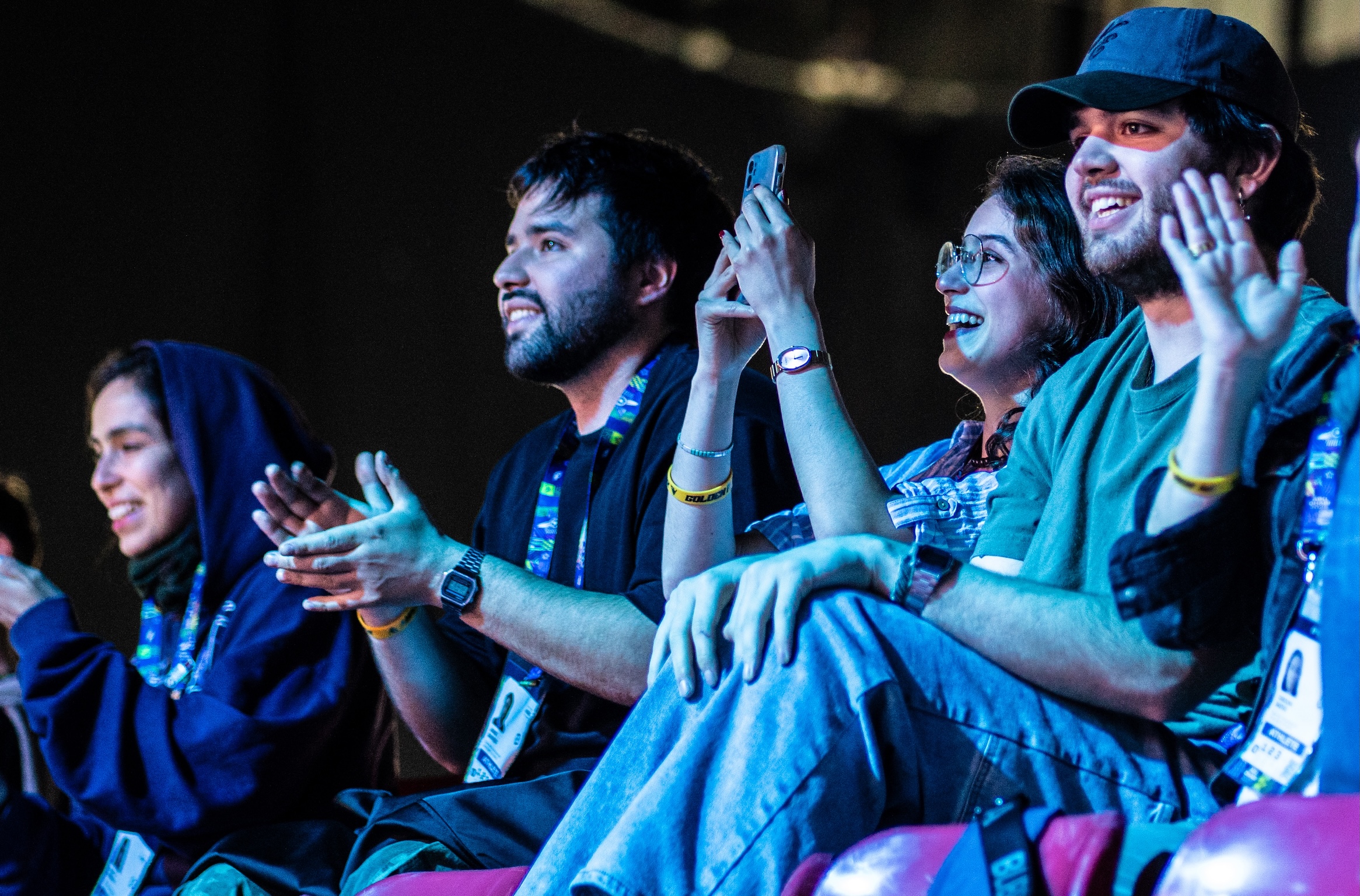
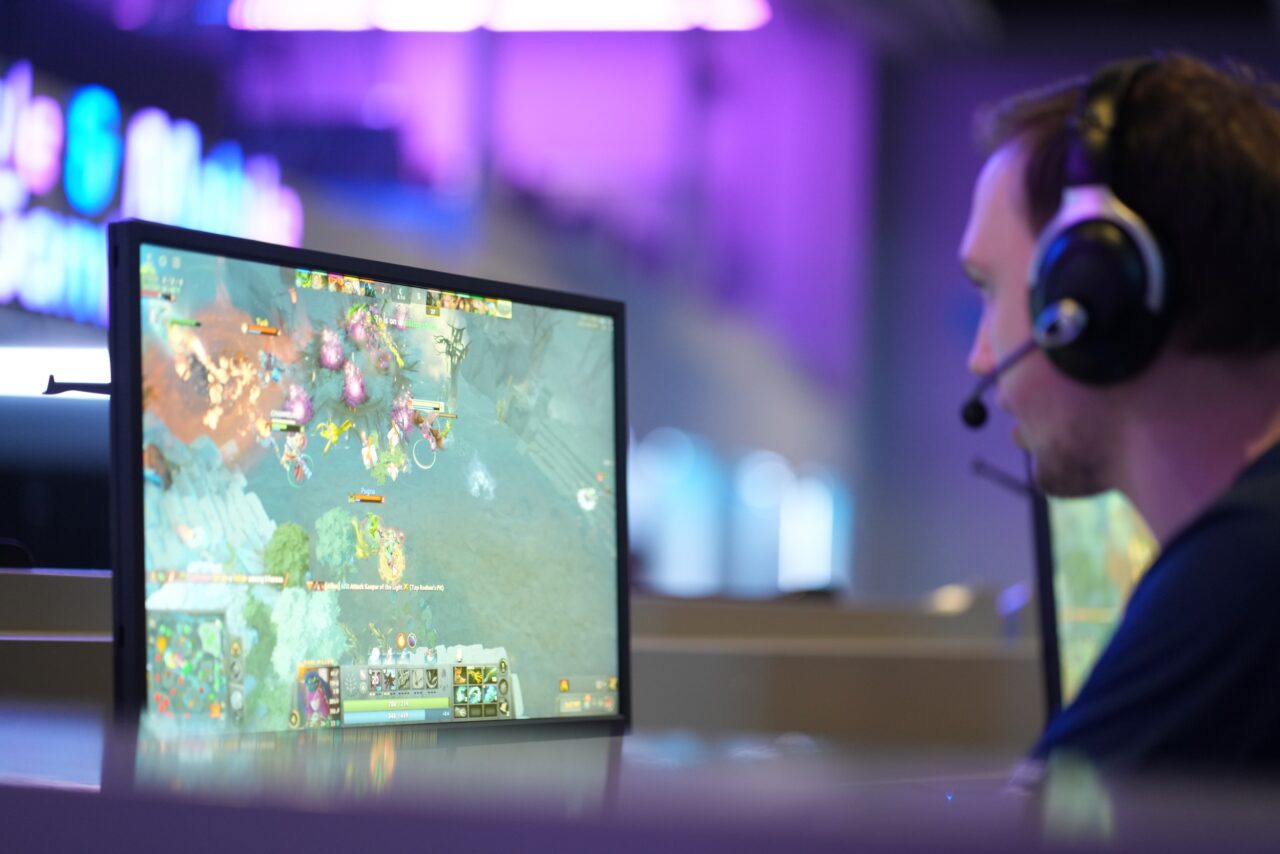
The audience. Full stop. Brands have spent decades trying to reach 18-to-34 year olds – Gen Z, millennials, the consumers who will define the next 20 years of their business. These are people who won’t sit through a full football match, but will happily spend hours watching competitive gaming. Traditional media can reach huge audiences but it’s not really targeted.
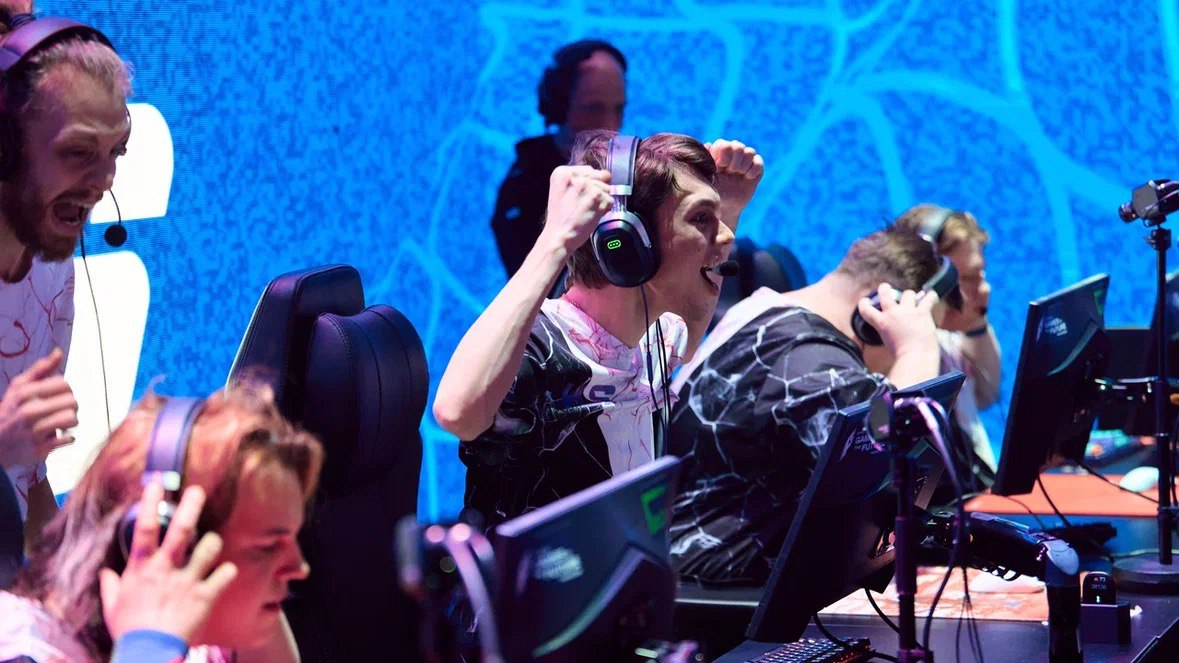
Gen Z and millennials are the toughest audience for brands to reach
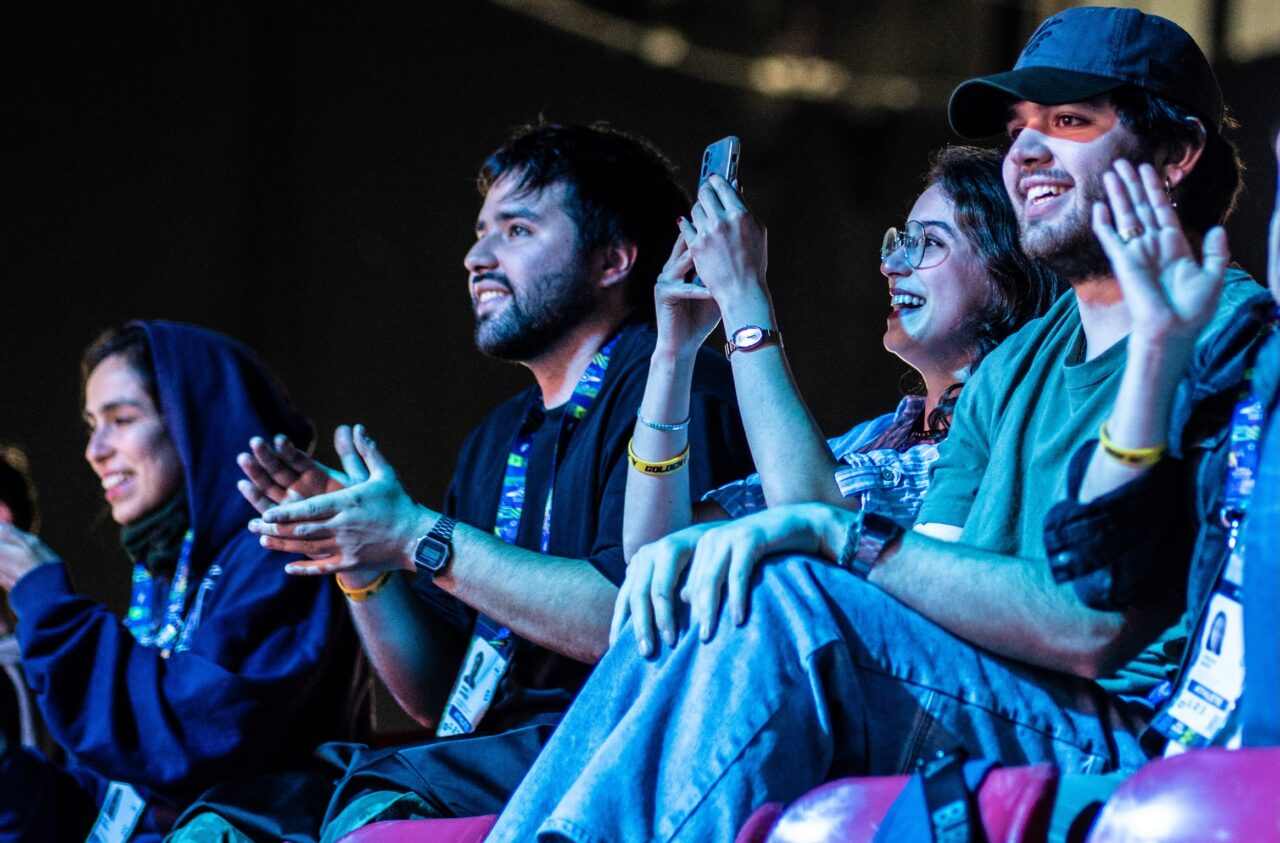
We reach that specific group with a precision that most properties simply can’t match. For example, in Brazil our audience for Games of the Future 2025 was around 30 million people — and they were almost entirely all within that 18-34 bracket. That’s roughly 35 to 40 percent of Brazil’s entire Gen Z and millennial population in a single event. From a brand point of view, that means virtually zero wastage. Every dollar they spend talks to exactly the people they need.
Are you only targeting esports and sports brands?
Absolutely not – and that’s one of the things I find most exciting. Yes, we’ll talk to brands that traditionally sponsor esports. But the opportunity is much broader than that. Think about cars, watches, grooming, lifestyle brands – any company that has traditionally struggled to market to younger consumers. We can give them that access. Take a car brand such as BYD, for example – they need the 18-to-34 market if they’re going to be a successful car company in 25 years’ time. We’re the bridge. So I don’t want us to limit ourselves by thinking too narrowly about who belongs in this space.
What does success look like in a year’s time?
I’d really love to see Games of the Future as a 12-month engagement platform, not a 10-day event. That’s the shift I want to make. Even the Olympics isn’t just selling the Games anymore – they’re selling year-round IP, embedding partners into content all 12 months of the year. We need to get there too. That means building a content and broadcast strategy around our qualifiers, the Phygital Contenders series, the World Phygital Community – everything that keeps the audience engaged between Games of the Future events. For brands, that’s the difference between a one-off moment and a genuine partnership with real, sustained reach. That’s what I’m here to build.
Click here to find out more about commercial and branding opportunities with Phygital International and the Games of the Future.
Share article

Previous issue
Games over!
You’re reading Issue 3
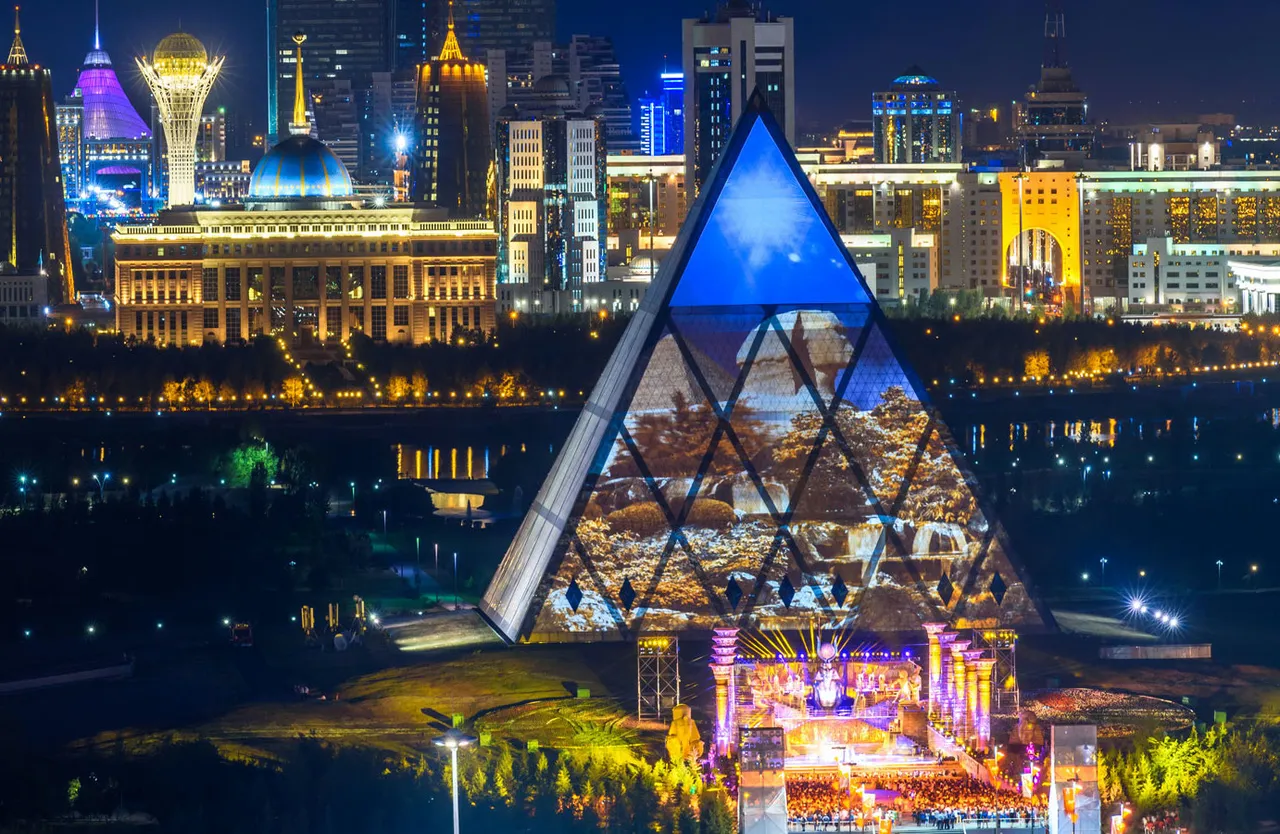
APRIL 2026
The countdown has begun! In 100 days the Games of the Future 2026 opens in Astana, Kazakhstan. We preview what to expect – plus a look at the upcoming Phygital Contenders 2026, and phygital news from around the globe.
Read more…


 Currently reading