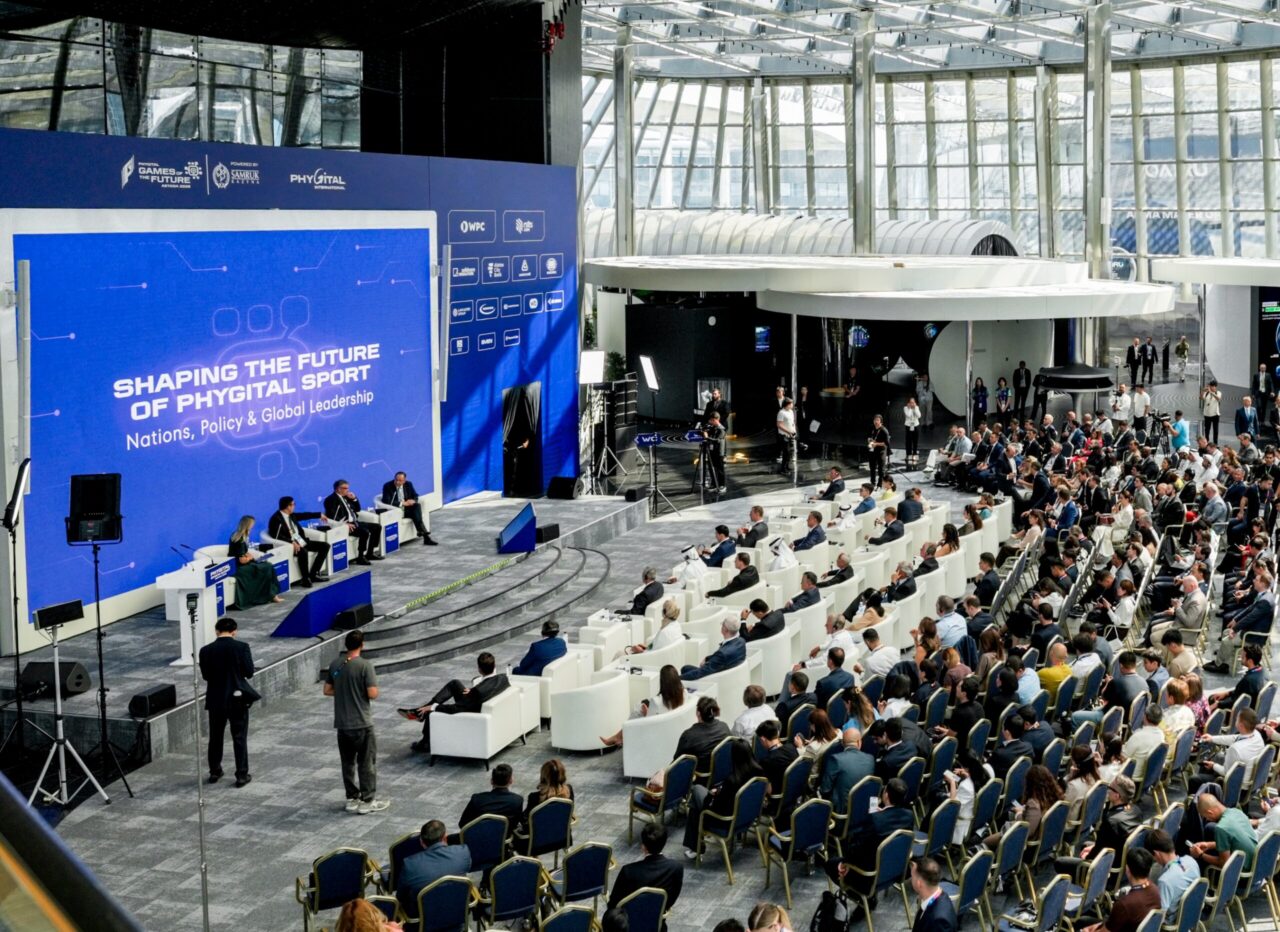
What to expect from GOTF 2026 in Astana
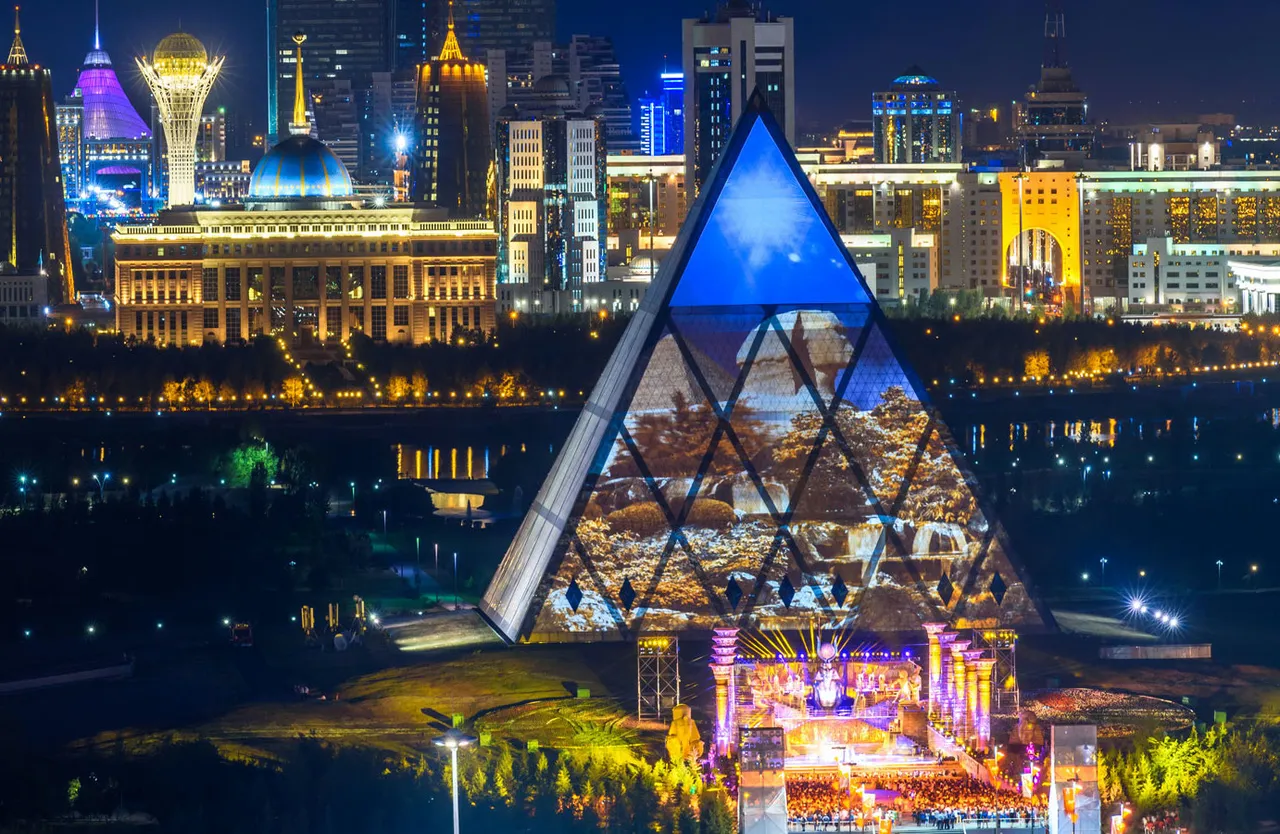
The world's biggest phygital tournament returns this summer — with huge prize pools, world-class venues, and a host city that feels like it was built for just this moment.
In this article
- Venue details and where to catch all the action
- Info about disciplines and the prize fund
- Things to see and do in Kazakhstan’s fascinating capital
From 29 July to 9 August 2026, Astana — Kazakhstan’s gleaming, futuristic capital on the Central Asian steppe — will host the Games of the Future 2026. Following the success of the Abu Dhabi edition last December, more than 900 participants are expected to descend on the city to compete across eight phygital disciplines, with a combined prize pool of over $US4 million on the line. Whether you’re attending as a competitor, a delegate, or a passionate follower of the phygital movement, here’s everything you need to know.
The disciplines – and the money
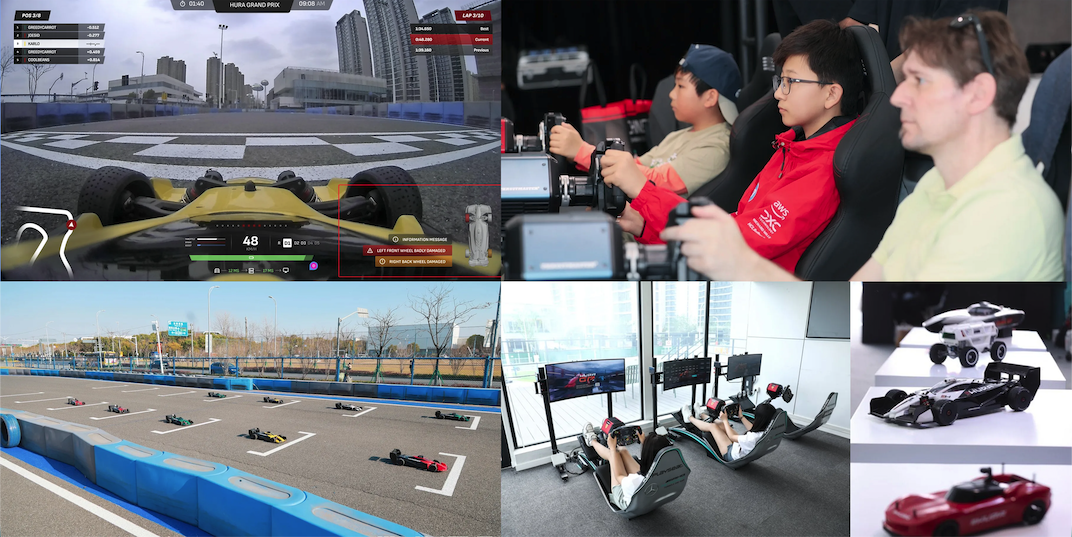
Eight disciplines will be contested, blending digital and physical competition in the formats that GOTF has made its own. They are
Phygital Football
Phygital Basketball
 Phygital Fighting
Phygital Shooter
Battle Royale
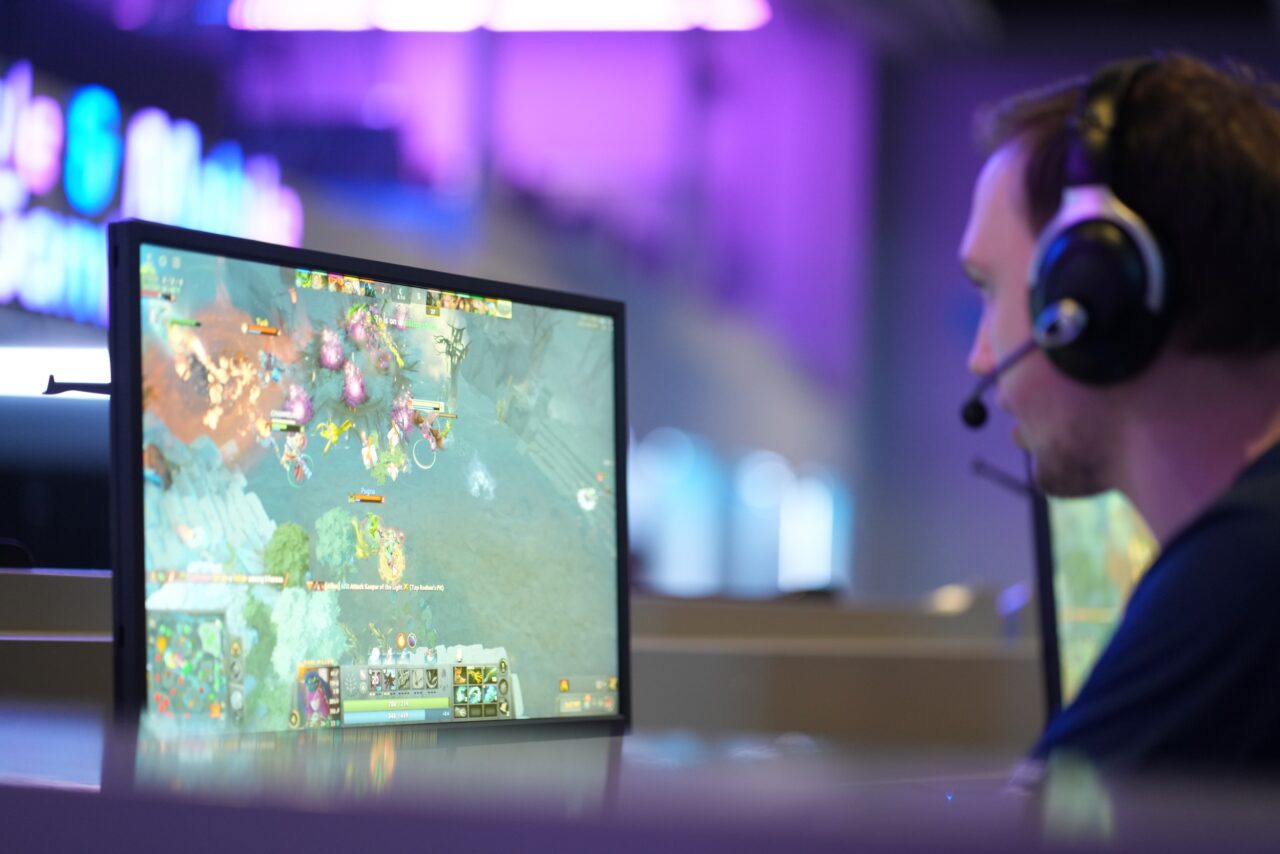
MOBA PC
MOBA Mobile
Phygital Dancing
Total prize money for the tournament will be over US$4 million. Organizers have already revealed that MOBA Mobile will have a US$1 million prize pool, and competitors in Phygital Fighting will be battling for a share of US$500,000.
The venues
Competition will be spread across four venues, each worthy of the occasion. Barys Arena is the city’s 11,500-seat centrepiece – an 86,000-square-metre complex built around an Olympic-standard ice rink, with additional swimming and diving pools. It is, by any measure, one of Central Asia’s premier indoor arenas.
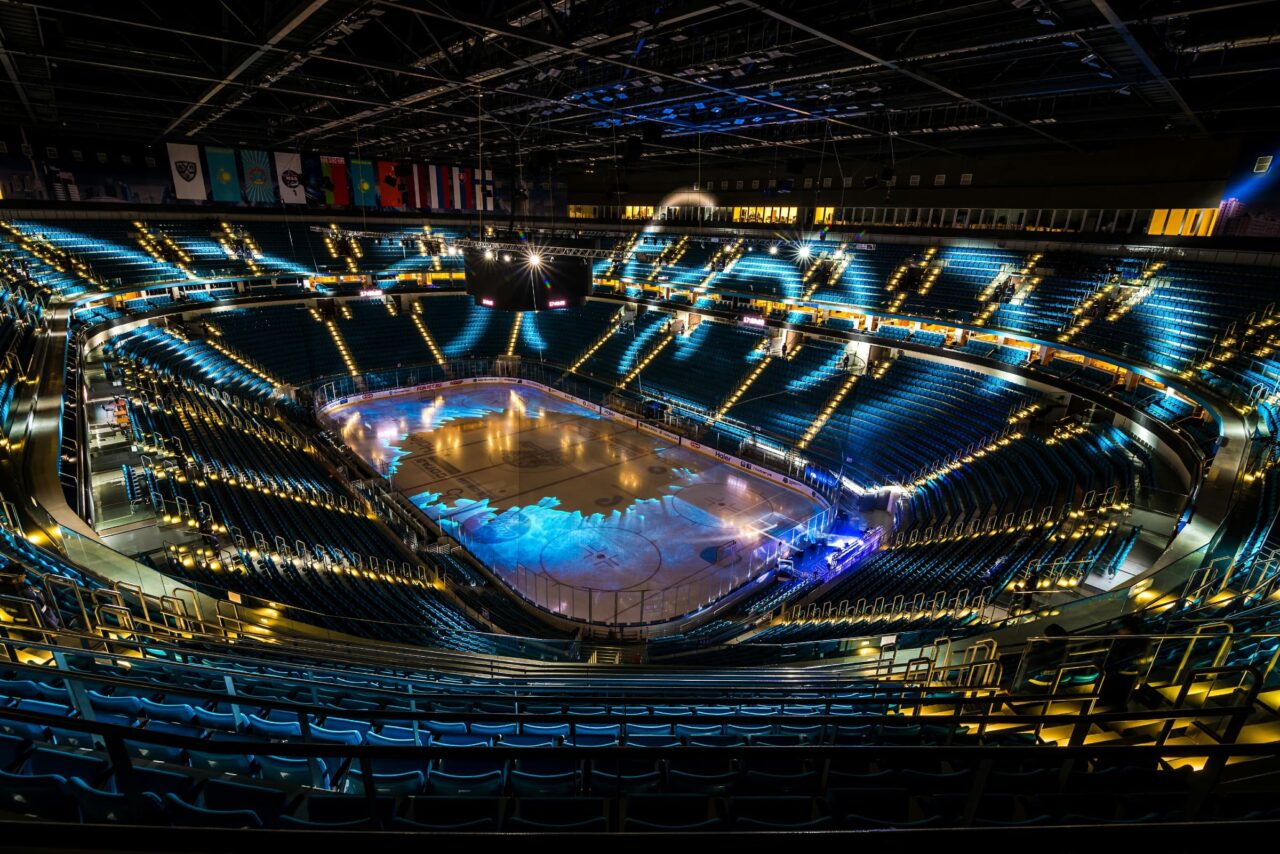
Barys Arena will be the centrepiece of the action
Beeline Arena, set on the banks of the Ishim River beside Astana’s Central Park, brings a different kind of pedigree. Recognised as the Asian National Tennis Center and fresh from receiving Gold Level recognition from the International Tennis Federation in March 2026, it will provide an atmospheric backdrop for phygital competition.
The Athletics Sports Complex Qazaqstan is as striking architecturally as it is functionally impressive – its crystalline, Cubist exterior houses a 200-metre indoor track, a 60-metre sprint straight, and seating for nearly 7,000. Built to World Athletics standards, it is a venue that takes speed seriously.
Finally, the Zhaksylyk Ushkempirov Martial Arts Palace – named after Kazakhstan’s legendary Olympic wrestling champion – provides 5,000 seats, state-of-the-art training halls and a building shaped like a soaring golden eagle. For the combat disciplines, it is a fitting stage.
Beyond the competition – culture and cuisine
Astana is a city that rewards curiosity. Often described as the “Dubai of the steppes”, it is a place of deliberate architectural spectacle – the Khan Shatyr, currently the world’s largest tent structure, contains a beach with sand imported from the Maldives. The Bayterek Tower is an observation point built around a Kazakh myth, and the Palace of Peace and Reconciliation is a full-scale pyramid housing an opera house and a university.
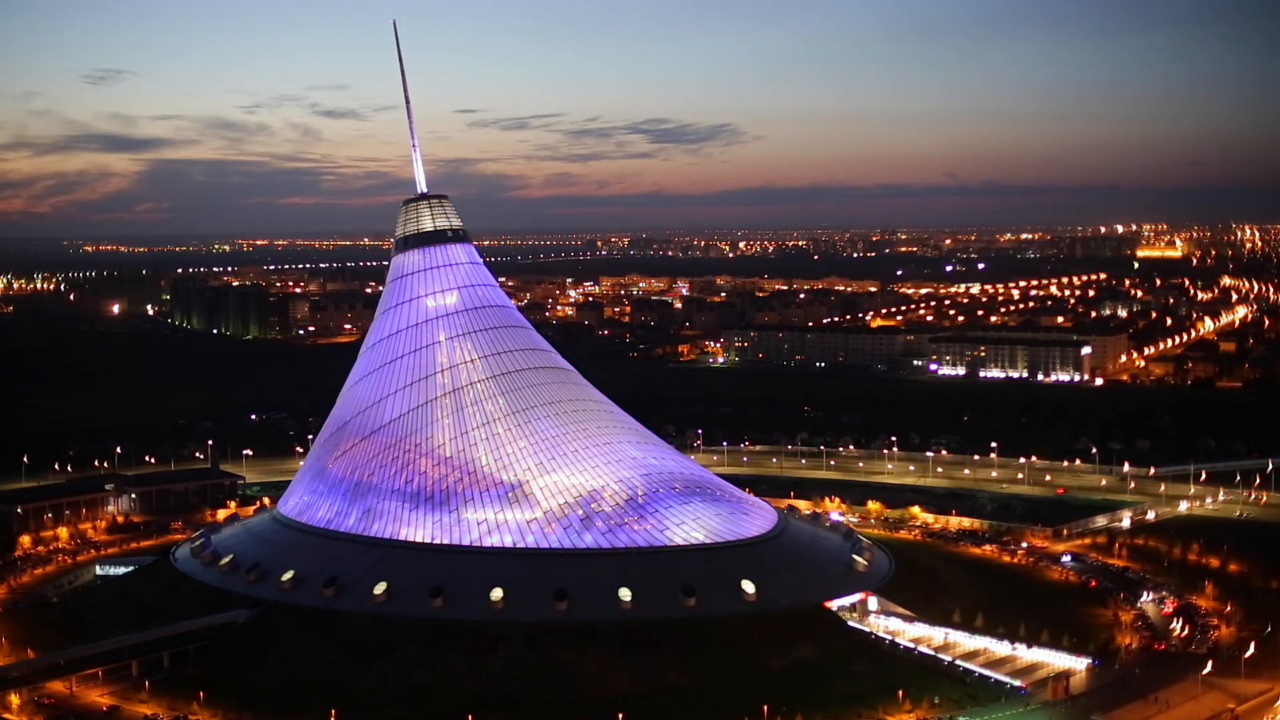
The iconic Khan Shatyr
The Nurzhol Boulevard, stretching two kilometres to the presidential palace, offers one of the most distinctive urban walks anywhere in Asia. For those who want to venture further, the Korghalzyn Nature Reserve – about 100km away – offers wetlands, pelicans, and pink flamingos.
The National Museum of Kazakhstan does an excellent job of tracing the country’s history from ancient nomadic civilisations through to independence, and the Hall of Ethnography alone is worth an hour of anyone’s time. The city’s two grand mosques – Hazrat Sultan, the second-largest in Central Asia, and the newer Nur Astana – are open to visitors and offer a genuine window into Kazakh religious and architectural identity.
For something more experiential, a session at the Keremet Banya, Astana’s beloved local bathhouse, is one of the more authentic ways to spend an afternoon — a reminder that beneath the gleaming towers, this is a city with its own deep-rooted traditions.
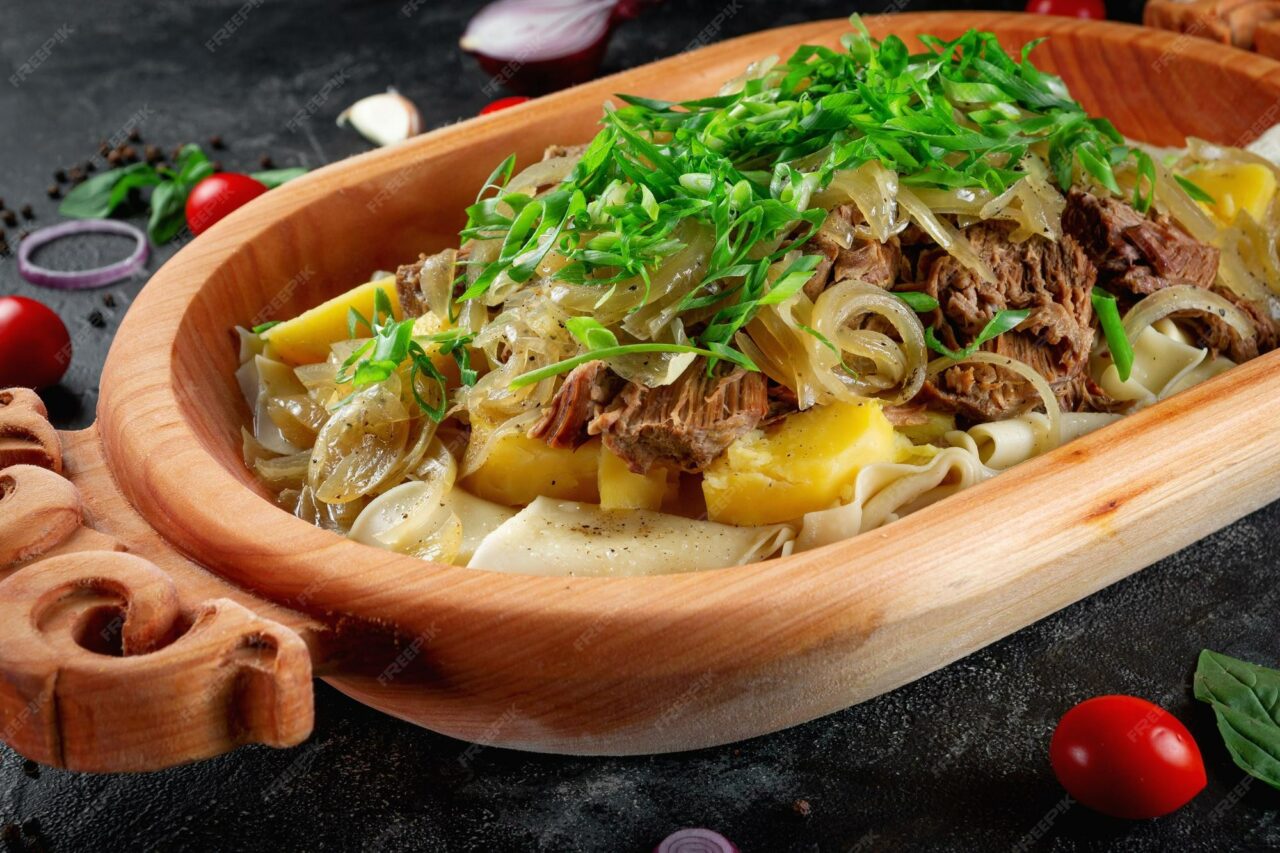
Beshbarmak is the unofficial national dish
On the food front, don’t overlook the Old Town on the right bank of the Ishim River, where the streetscape gives way to a cluster of local restaurants serving traditional Kazakh cooking. Look out for beshbarmak — slow-cooked meat served over flat noodles that many consider the national dish – or samsa, the flaky baked pastry filled with lamb or beef that you’ll find at almost every corner.
Comic Con Astana — same city, same week
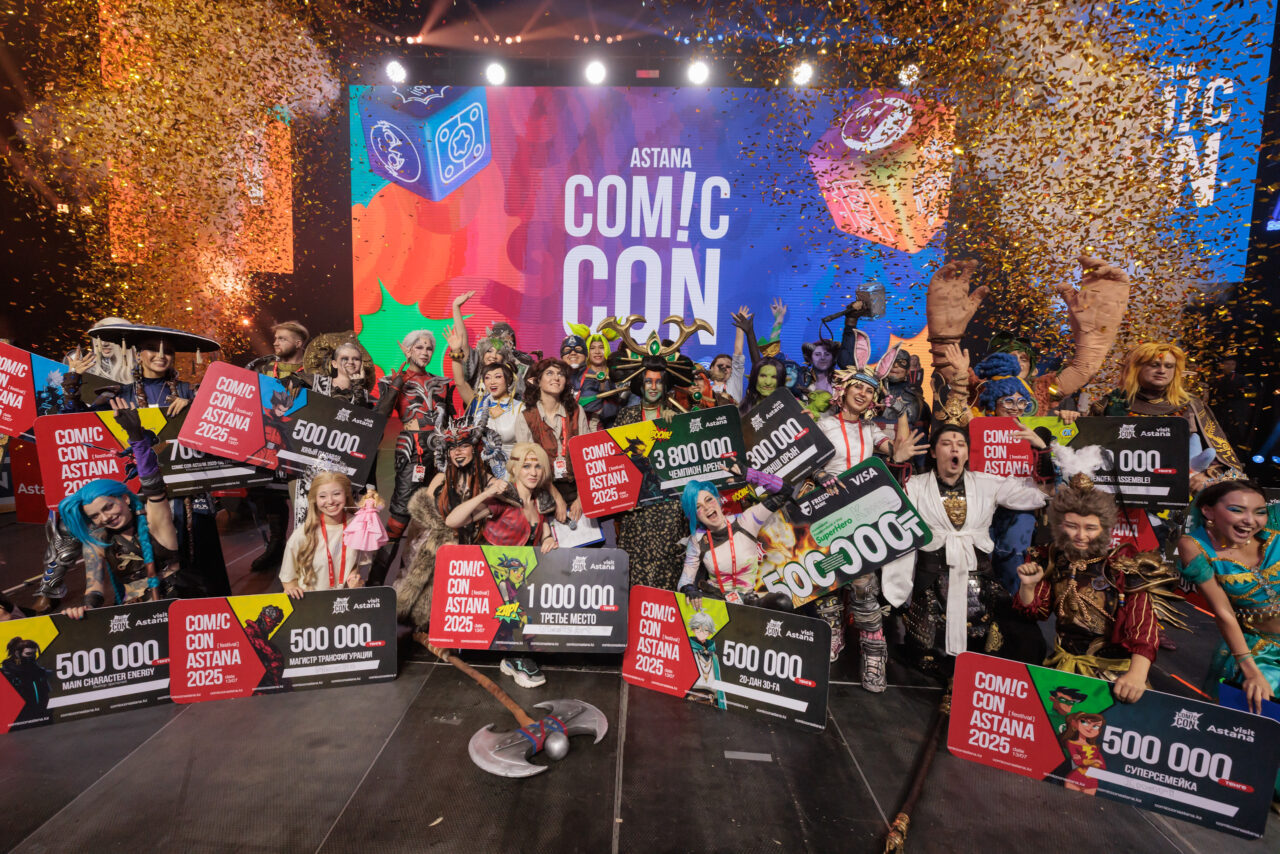 The timing couldn’t be more fitting. Comic Con Astana runs from 5-9 August (the final stretch of the GOTF schedule) bringing five days of geek culture to the city: exclusive merchandise, artist showcases, performances, and the particular energy of a crowd that takes fandom seriously. For attendees at the Games of the Future who find themselves with an evening free during that final week, it is well worth a detour.
Tickets for Games of the Future 2026 are due to go on sale in May. Be sure to check out the official GOTF 2026 site for details.
You’re reading Issue 3
APRIL 2026
The countdown has begun! In 100 days the Games of the Future 2026 opens in Astana, Kazakhstan. We preview what to expect – plus a look at the upcoming Phygital Contenders 2026, and phygital news from around the globe.
Read more…
 Currently reading