Hosting the Games of the Future can revolutionise your city – and your society
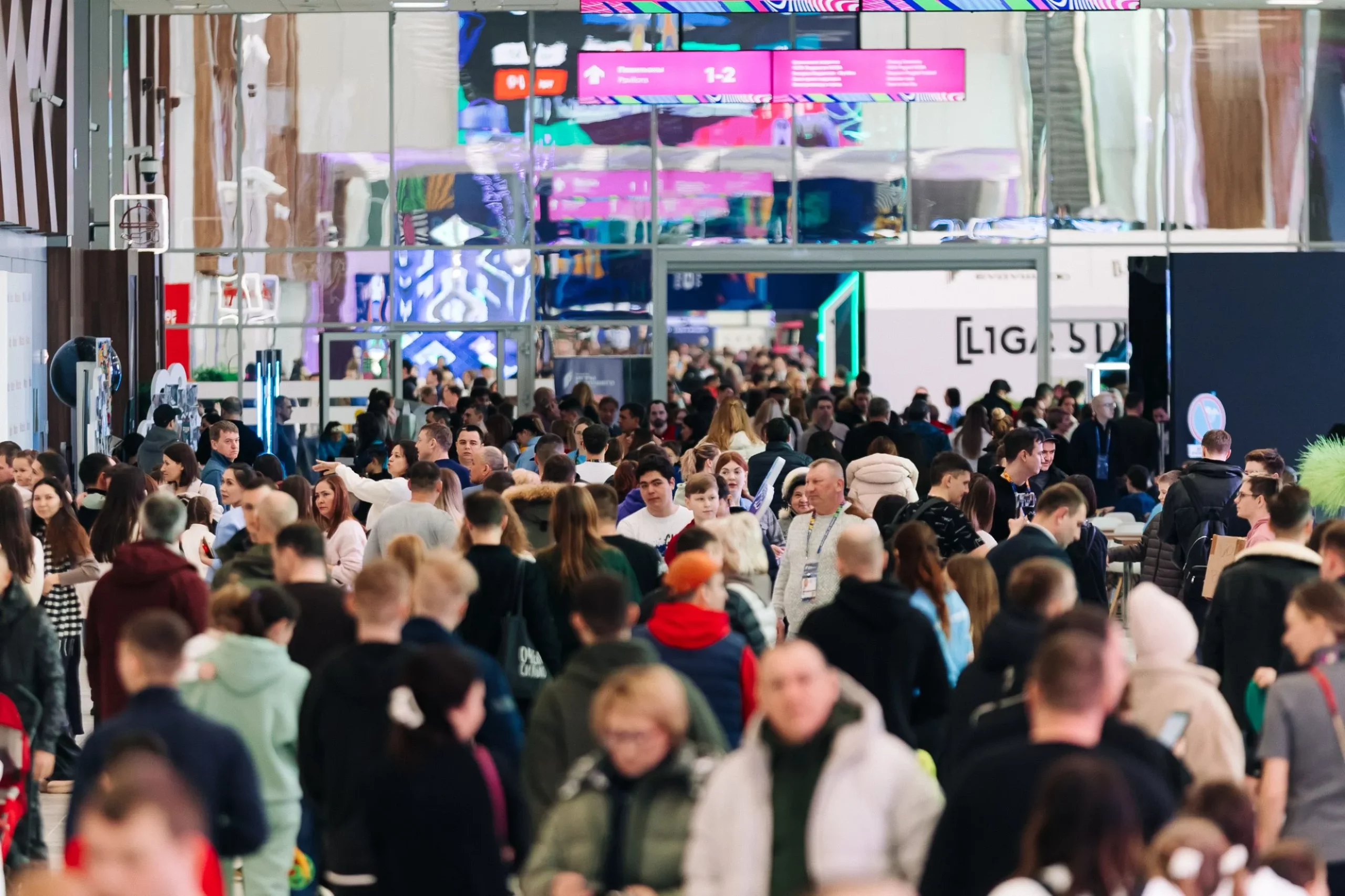
Nis Hatt, CEO of Phygital International, explains how staging a sporting spectacular like the Games of the Future can bring huge financial and cultural benefits to a host city.
In this article
- The investment returns a city can achieve by hosting GOTF
- Building a lasting legacy for the city and its future generations
- How GOTF can drive digital transformation
When the curtain rises on the Games of the Future Abu Dhabi 2025 powered by ADNOC next week, it will be the second time the event has been staged. The 2026 games will take place in Astana, Kazakhstan next summer, and the bidding process for GOTF 2027 is already under way with cities in Brazil, Serbia, South Africa and Uzbekistan competing for the chance to host the tournament.
I travel the world speaking to governments and sporting bodies and the one question I’m often asked is “Why should our city host the Games of the Future?” To which I usually reply: “Why shouldn’t you?”
When cities consider hosting a major international sporting event, the first question is usually about cost. The better question should be about return. Not just financial return, but social, cultural, and infrastructural return. This is where the Games of the Future comes in.
GOTF is not designed to be a temporary spectacle that arrives, shines, and disappears. It is designed to leave something lasting behind. For host cities, it is a catalyst for growth, modernisation, and global relevance.
One of the most immediate and visible impacts is economic. GOTF attracts thousands of visitors, athletes, officials, media professionals, and fans. This drives direct revenue into the local economy through hotels, restaurants, transport, retail, and tourism services. Local businesses benefit, new jobs are created, and the city gains global exposure that would normally take years to achieve through traditional marketing.
Value Beyond Tourism
Hosting the Games of the Future accelerates infrastructure development in a way that aligns with long-term city strategies. Investments are not made for a single event; they are designed to serve citizens for years. Sports venues are upgraded or repurposed, digital infrastructure is strengthened, and public spaces are improved. These upgrades support not only future events, but also daily life for residents.
Digital transformation is another key benefit. GOTF encourages host cities to build and expand their digital ecosystems. This includes connectivity, broadcasting capabilities, smart venue technologies, and innovative fan experiences. These systems do not disappear after the closing ceremony. They become part of the city’s technical backbone, supporting future innovation, business growth, and education.
There is also a strong human legacy. Hosting GOTF creates opportunities for local people to develop new skills. From event management to technology, media production to hospitality, volunteers and workers gain valuable experience that improves their career prospects. Universities, schools, and training centres often become involved, creating powerful links between education and real-world institutions.
Culturally, the Games offer something equally valuable: pride and identity. A global event gives a city a shared project and a shared story. Communities come together, young people are inspired, and local culture is showcased to the world. This strengthens social cohesion and helps cities position themselves as places of opportunity, creativity, and openness.
Sustainability is not an afterthought either. We work closely with hosts to align investments with broader environmental and urban development goals. Using existing venues where possible, prioritising smart upgrades over unnecessary construction, and planning for long-term use are all essential parts of our model. This ensures that the footprint of GOTF is positive, not wasteful.

What makes GOTF especially powerful is its relevance to the next generation. Cities that host the Games are not only hosting athletes; they are sending a message to young people that they are understood, valued, and invested in. This builds deeper connections between cities and their future citizens.
The decision to host a global event is always a serious one. It requires vision, courage, and trust. But when done with the right structure and long-term planning, it becomes one of the most powerful tools a city can use to accelerate its future.
The Games of the Future are more than a competition. For host cities, they are a platform for transformation, a driver of innovation, and a statement to the world: we are ready for what comes next.
For more information on hosting the Games of the Future in 2028 and beyond, visit the PI website.
About the authors