“We had famous Brazilian footballers secretly taking part in our phygital tournaments”
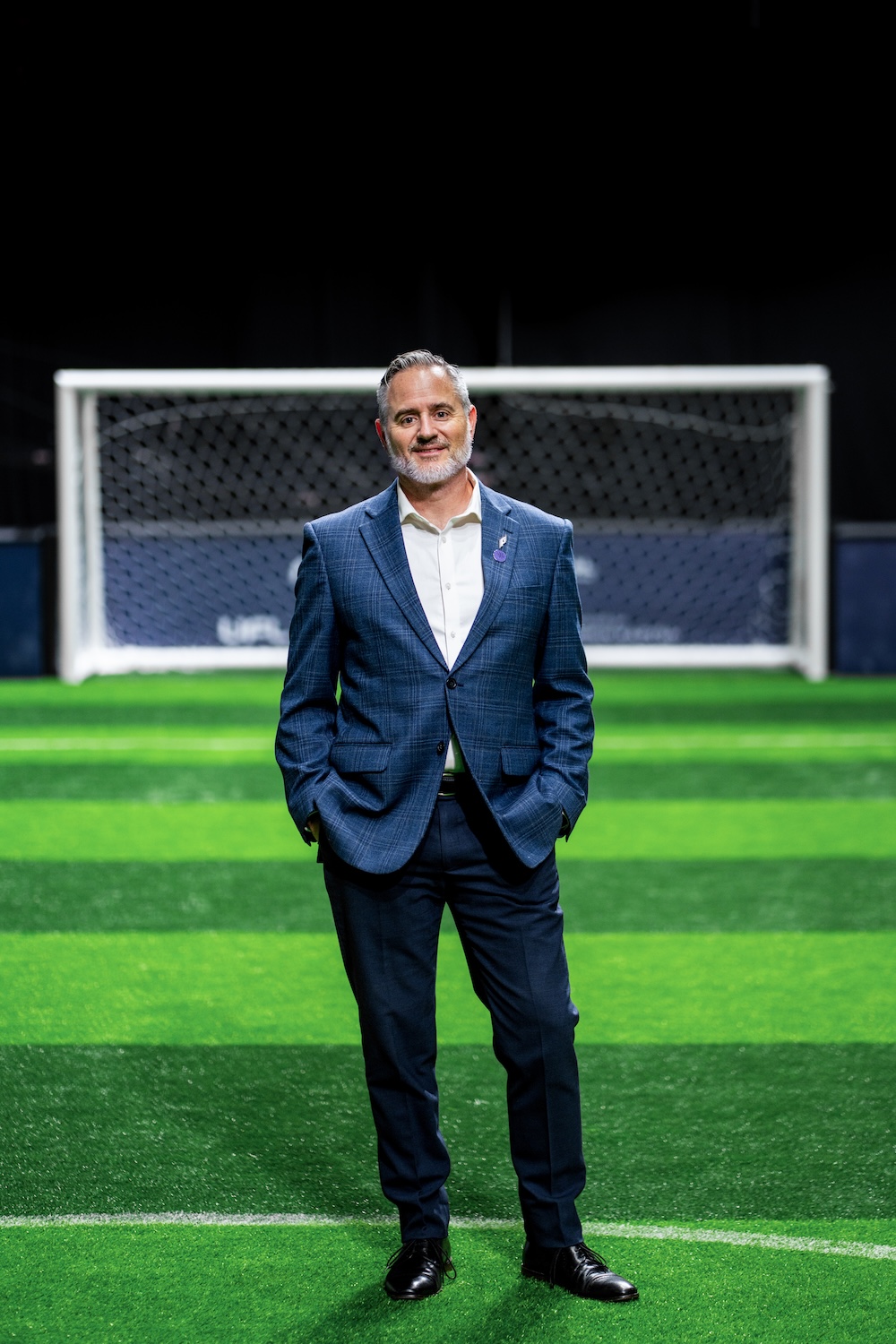
Brazil is positioning itself as a serious contender to host the 2027 edition of the Games of the Future. At the centre of that ambition is Moacyr Alves, CEO of Phygital Brazil and a 20-year veteran of the Brazilian esports scene. Here he talks about Brazil’s phygital journey, the strategy behind the 2027 bid, and why he believes now is the moment for his home country.
In this article
- The challenges of putting together a host city bid
- How phygital has grown in Brazil
- What a Brazilian Games of the Future would look like
Hi Moacyr, give us some background on how phygital sports have developed in Brazil.
When I started just two years ago, nobody knew what it was. I would say “phygital” and people would respond, “Fi-what?” I had to explain the concept every time.
When we were appointed the WPC member for Brazil, we had to organise a national football tournament with 16 teams, but we only had 10 days to do it — with no sponsors, no funding, and almost no support.
Then something miraculous happened. I presented the project to a government official in São Paulo, and he loved it. He gave us some initial funding to get started. But we still had to organise everything: teams, equipment, venue etc. It was very challenging.
How did that first tournament come together?
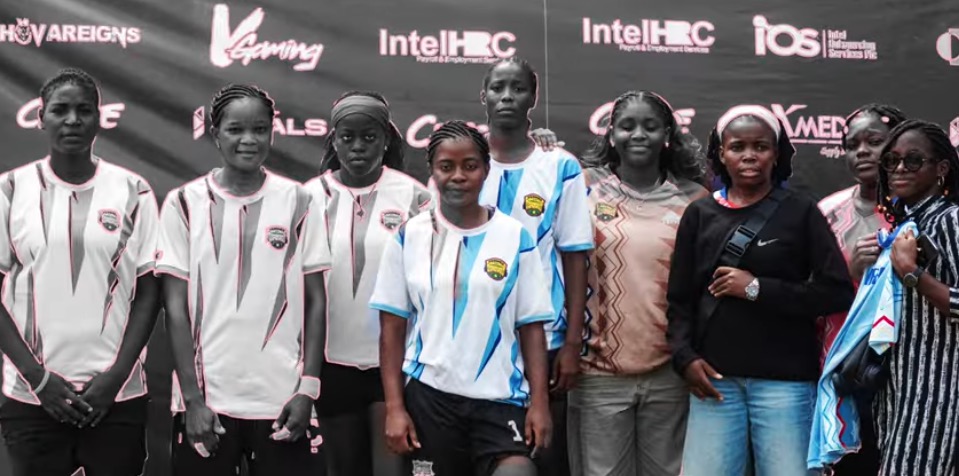
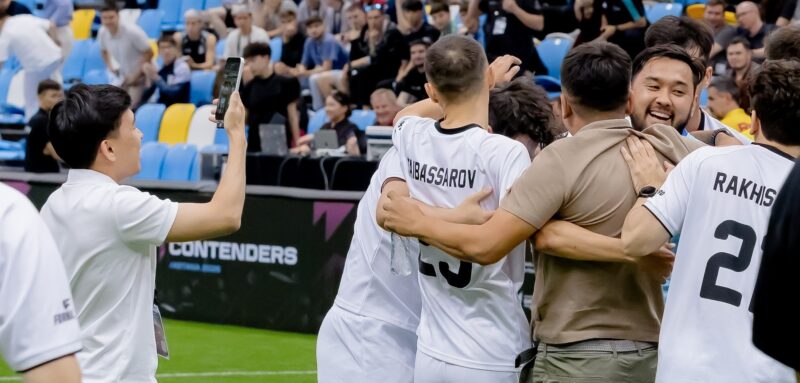
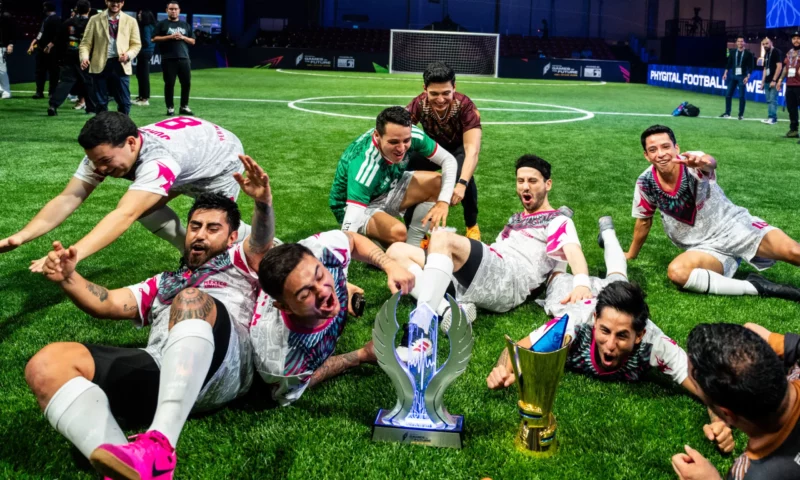
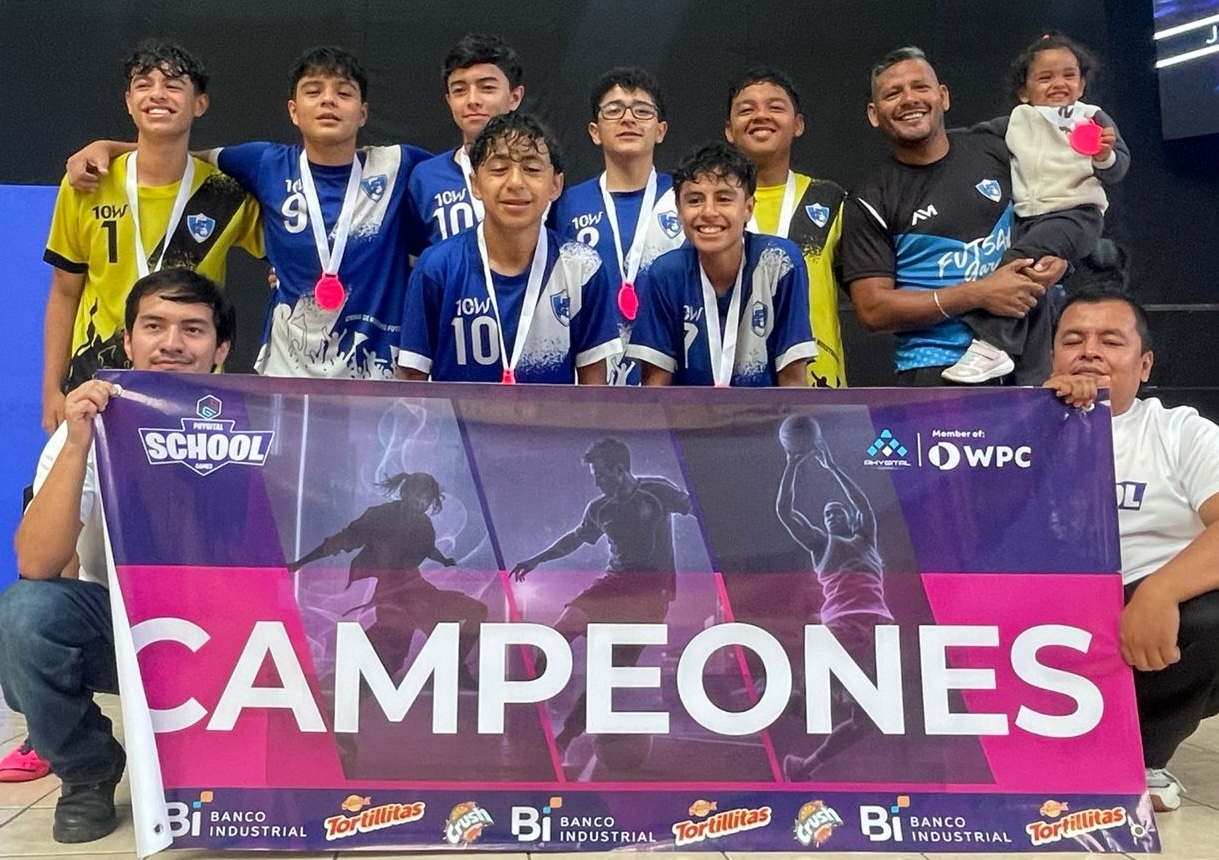
It was completely organic. We just posted on Instagram and suddenly within two days around 60 teams had applied to take part! We had no budget for broadcasting, but luckily a YouTube channel, PlayTV, offered to stream it. But the biggest surprise was when famous football players started turning up. One of them was Luizão. He told me that some players secretly taking part were from the Kings League (the global football format founded by former player Gerard Piqué). That’s when I realised how big this could be. With almost no money or promotion, we had major names participating. The tournament was a huge success.
So it wasn’t just local amateur teams that took part?
No, we had teams connected to major Série A football clubs like Corinthians, Santos, Botafogo and Paysandú. Some had to use alternative names due to branding restrictions. For example, a Corinthians-linked team played as “Bando de Loucos”.
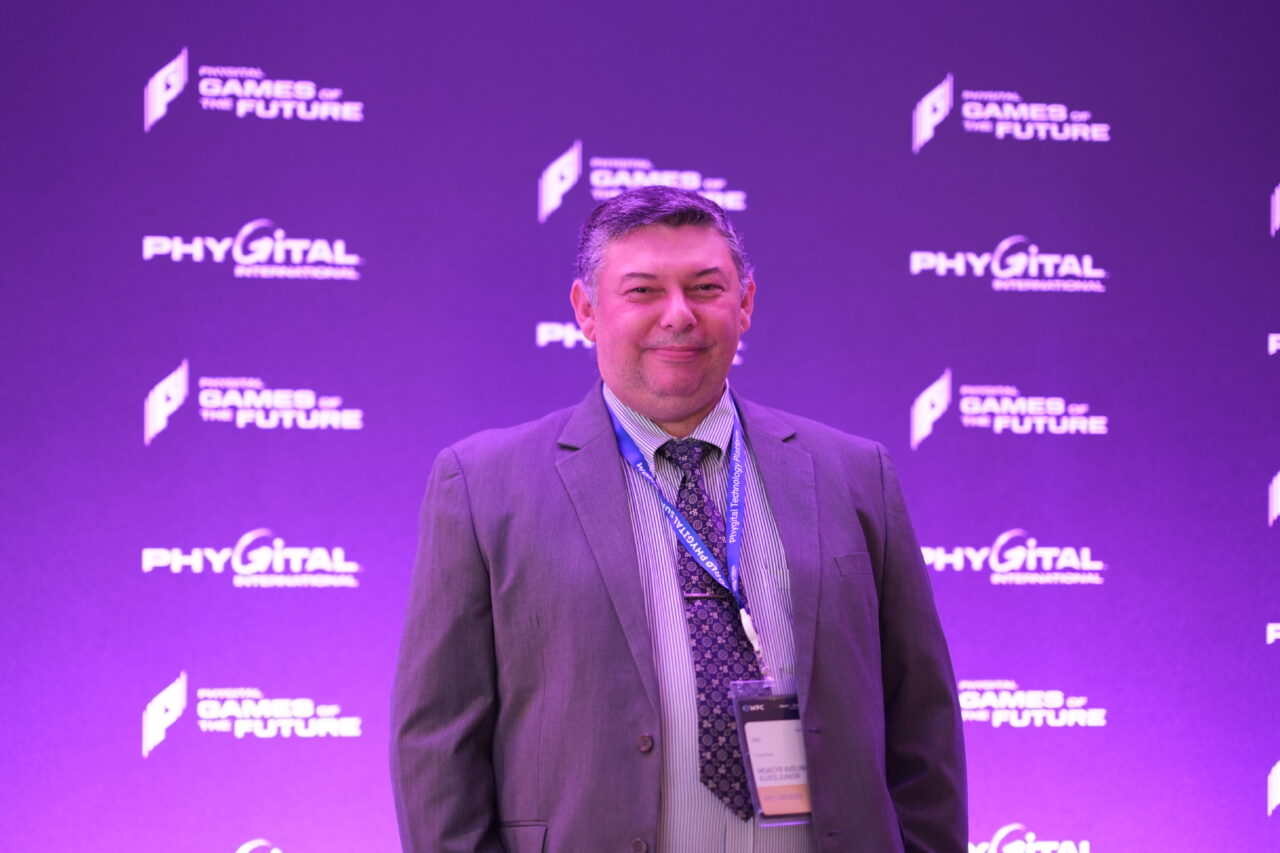
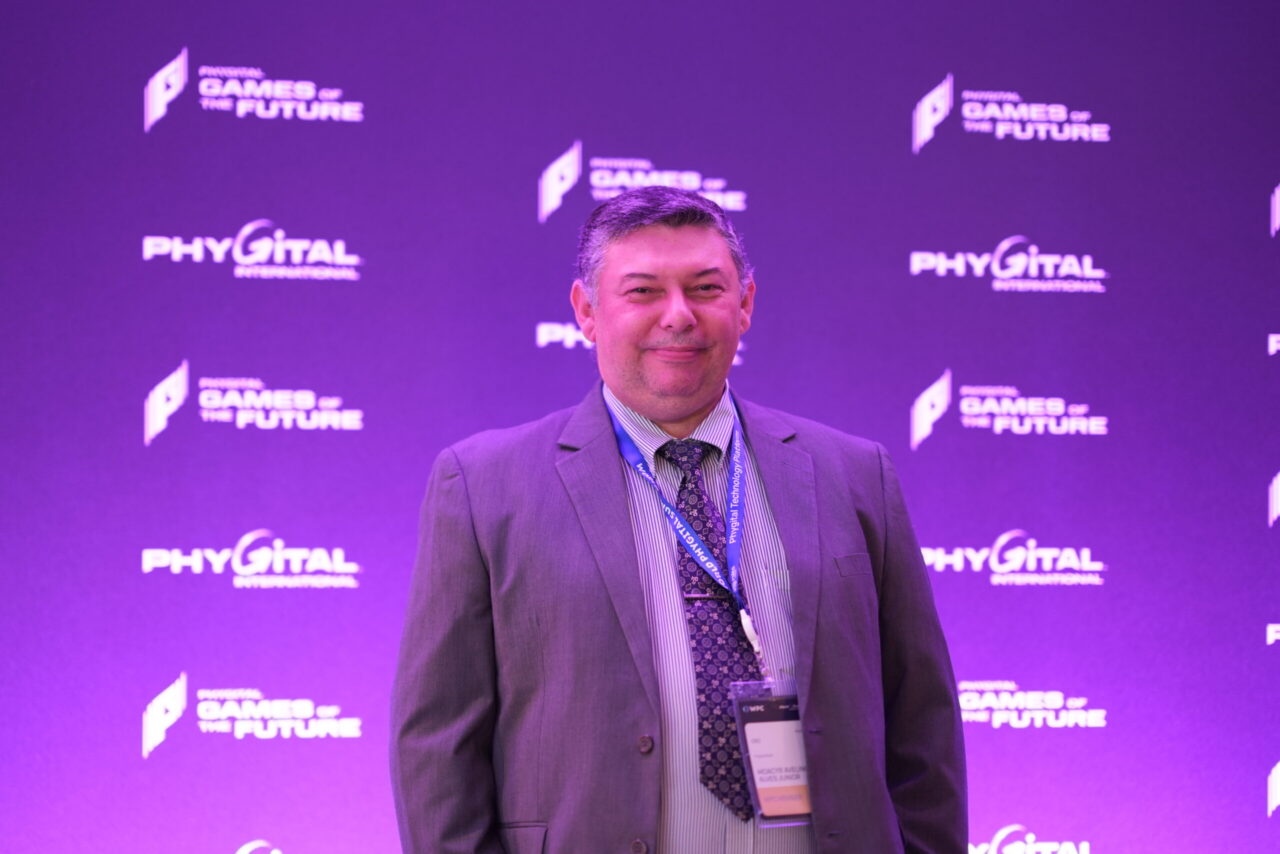
Moacyr Alves says phygital is exploding in Brazil
How is the phygital project developing now?
Awareness is growing quickly. We’ve launched marketing campaigns, and investors have already approached us — but we declined early offers because we believe the long-term value will be much greater. Phygital sports in Brazil is just beginning but growing very fast. Bidding to host the Games of the Future is our way of taking it to the next stage.
Tell us about your bid. How did the process work?
At the beginning, it was frustrating because we had very limited resources. A proper bid requires a detailed, professional document — something that normally costs a lot of money and involves experienced teams. We had neither.
What changed was we found a producer who had worked on the opening ceremonies of the FIFA World Cup and the Olympic Games in Brazil. That immediately elevated the credibility of the project.
She built a team of around 15 specialists — covering operations, production, logistics, and planning — and together we created a complete bid document. It included venue strategies, operational planning, infrastructure mapping, and delivery concepts all aligned with the requirements of the Games of the Future.
A lot of the work was done under intense time pressure. Like many projects in Brazil, much of it came together close to the deadline. But the quality was high because the people involved had real experience delivering global-scale events.
Importantly, this was also a very entrepreneurial effort. Instead of a large upfront budget, we structured agreements based on belief in the project. For example, our producer agreed to work for a reduced fee initially, with the understanding that she will take a leading role if Brazil wins the right to host.
Why is Brazil bidding now?
Timing is very important. Brazil is approaching a new election cycle, including presidential and regional elections. Major international events can become powerful platforms for governments to demonstrate innovation, global relevance, and economic opportunity. Phygital sport represents something new — it’s modern, it connects with young audiences, and it positions the country as forward-looking. So, we believe this is the right moment. Whether it is a new government or a re-elected one, there is a strong incentive to support an event like this.
How involved are public authorities in the bid?
We have some institutional support, but it is still a work in progress. Certain ministries and officials have expressed interest and given initial approvals, particularly around tourism and sport. But in Brazil, turning that into firm commitments can be challenging.
The next step is securing stronger guarantees — making sure agreements are formalized and that all stakeholders align behind the project. That is one of the biggest challenges, but also one of the biggest opportunities if we get it right.
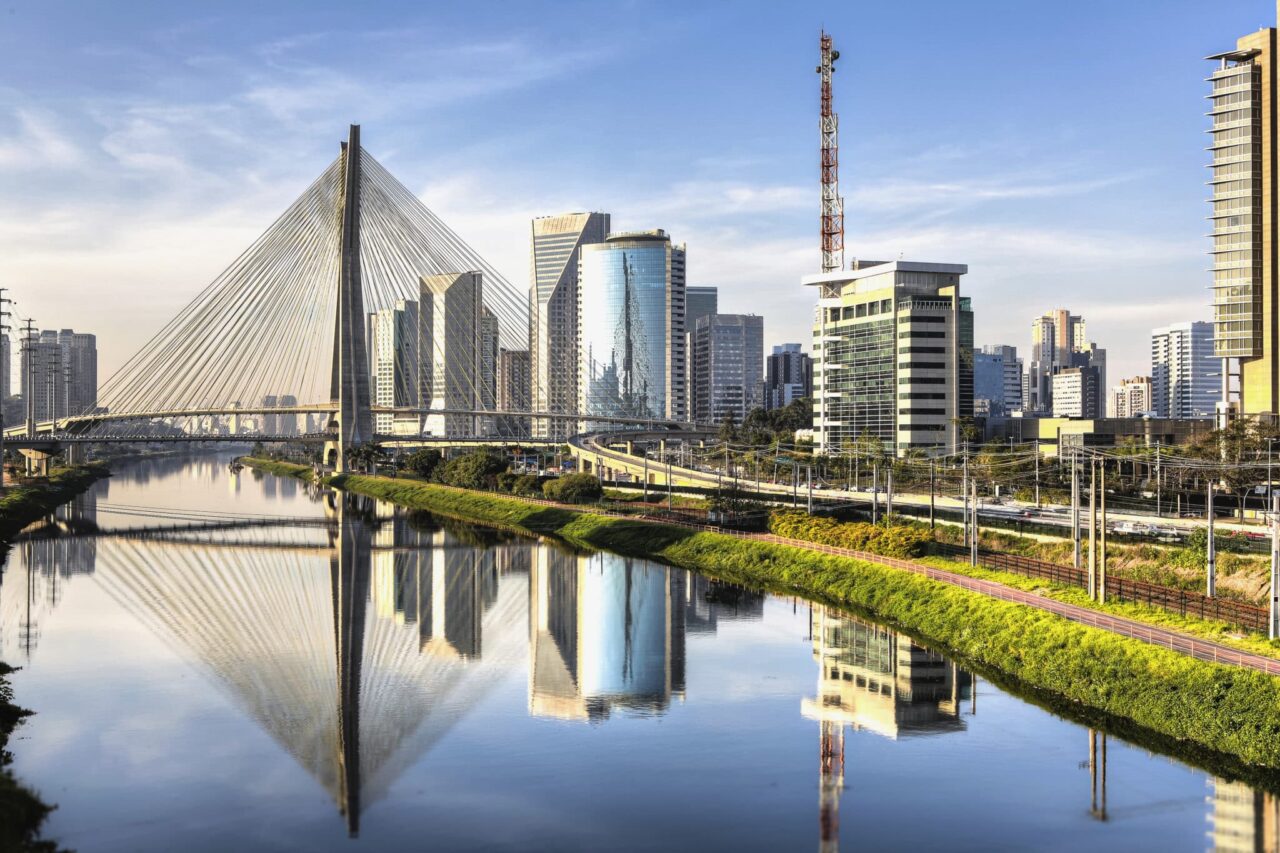
Sau Paulo is the largest and most connected city in Brazil
Which city do you expect to host?
Infrastructure is the biggest advantage and São Paulo offers a wide range of high-quality venues that can be adapted for phygital formats. The city has excellent connectivity — international and domestic flights, strong public transport, and a large hotel network.
Logistically, everything is close together, which is important for an event like this. It’s also one of the largest cities in the world, with around 20 million people in the metropolitan area. That means a built-in audience, strong media presence, and a vibrant sports and entertainment culture. So that would be the a great location but it’s not the only one. Nothing has been decided so we shall see.
For more details on the bidding process, including how to apply, visit our Host City page.
You’re reading Issue 3
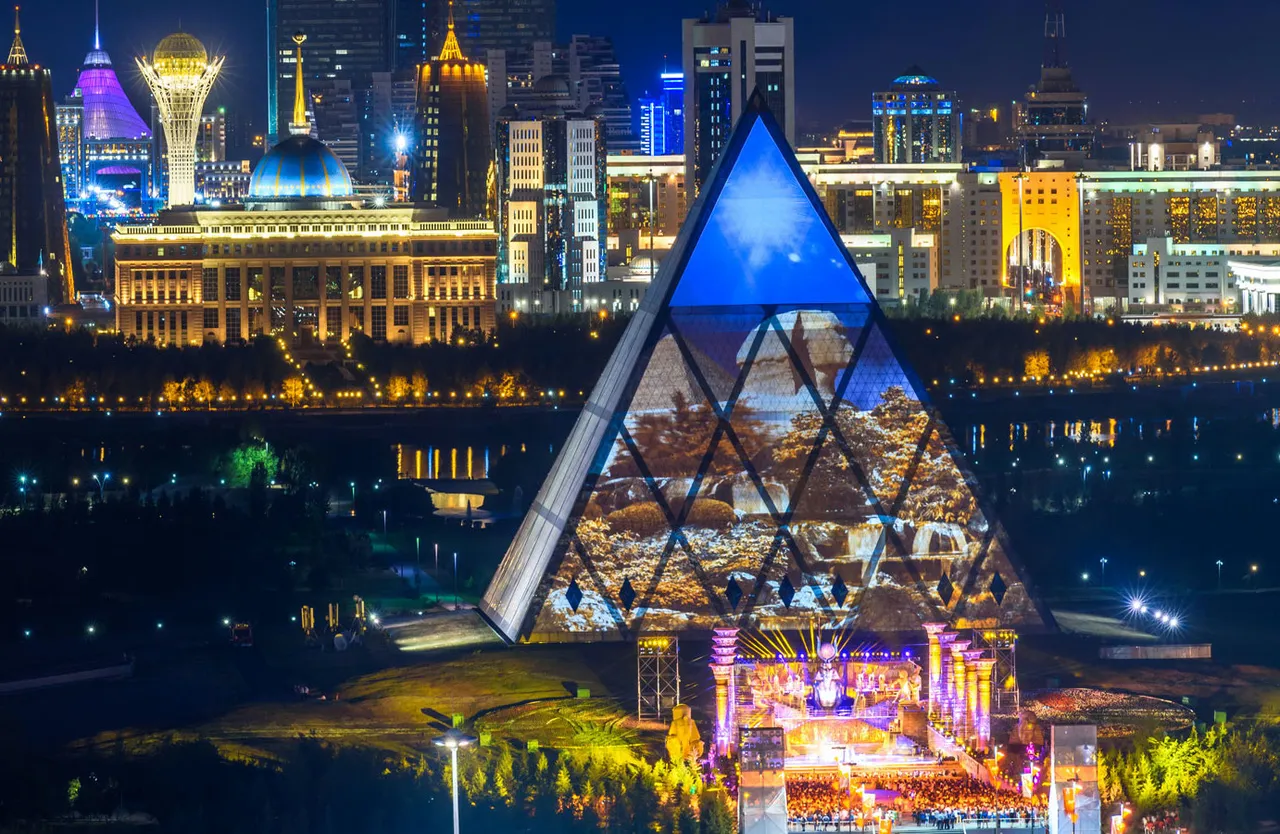
APRIL 2026
The countdown has begun! In 100 days the Games of the Future 2026 opens in Astana, Kazakhstan. We preview what to expect – plus a look at the upcoming Phygital Contenders 2026, and phygital news from around the globe.
Read more…
 Currently reading