What’s next for phygital in 2026
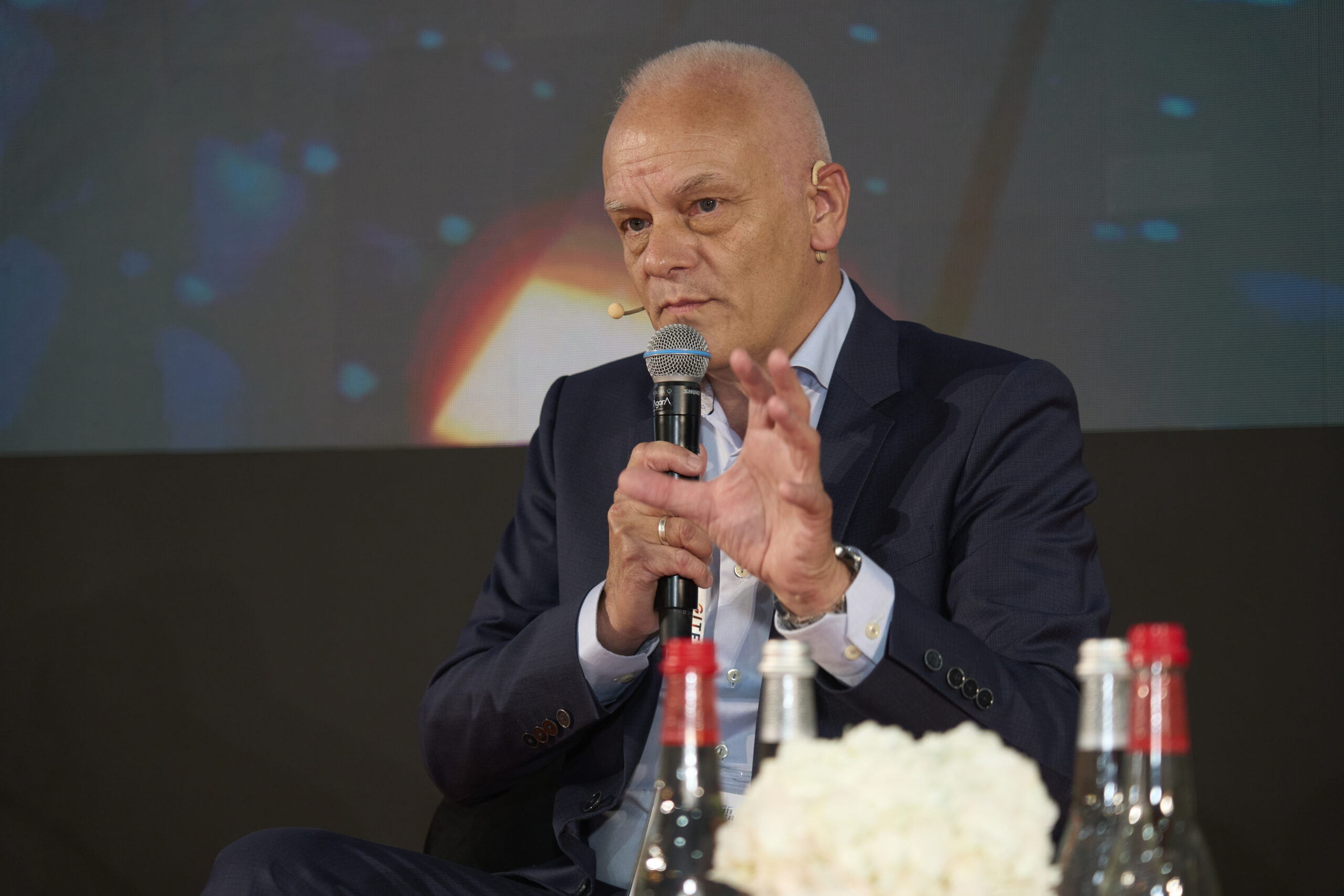
With GOTF 2025 now officially over, PI’s CEO Nis Hatt reflects on a landmark year for the organisation and reveals what 2026 has in store.
In this article
- The high points of 2025 and the Games of the Future
- PI’s hopes and focus for the coming year
- Host city bidding is open for 2028, 2029 and 2030
Looking back on 2025, do you feel PI achieved most of its targets?
It was an incredibly busy year. A lot of our focus was on organizing Games of the Future 2025 in Abu Dhabi and the build-up alone was intense. At the same time, we’re already deep into preparations for the next edition in 2026 in Astana. So, it’s been a dual effort to make sure we delivered on our commitments for the most recent games, while laying strong foundations for the next one.
In parallel, the World Phygital Community (WPC), who we work in partnership with, continued to grow at a remarkable pace. We’re now at more than 115 members worldwide. Managing that growth organically and ensuring meaningful engagement takes a tremendous amount of work. WPC members are the drivers of phygital in their home countries and act as the feeder system for the athletes and teams who ultimately take part in the Games of the Future.
We’re still a young organization, and we make a conscious effort to listen to our members, to previous hosts, and to the feedback we receive on the ground. We’re now looking closely at what worked and what needs improvement.
Will the 2026 event in Astana differ from Abu Dhabi?
Astana and Kazakhstan are very different from the UAE. It’s a different country with different dynamics. Every time we move to a new region, we have to take a new cultural and organizational approach but it’s energising to see the diversity of culture, region, and ways of working.
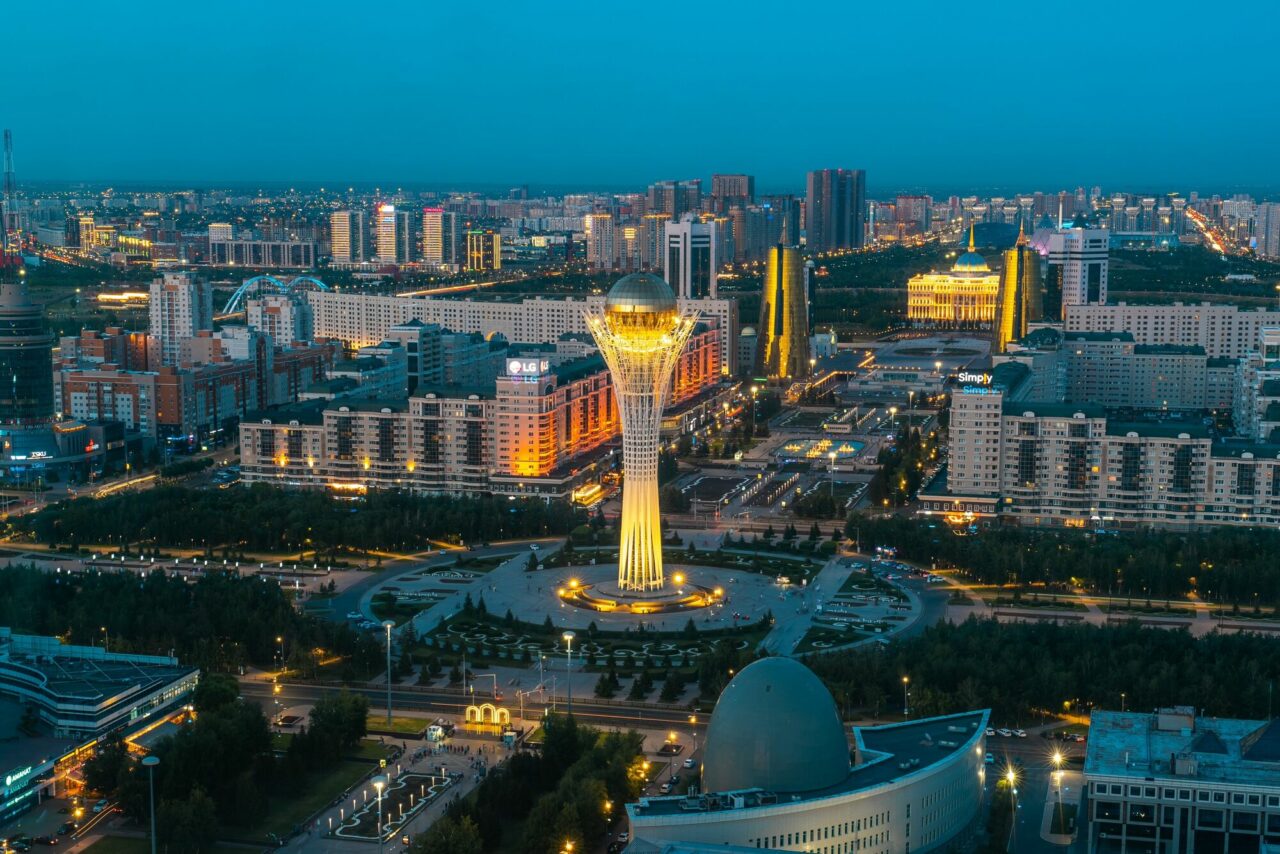 Kazakhstan is eager to showcase itself as a strong sporting nation. They already host many international events and have invested heavily in infrastructure, technology, IT, and AI. They already have everything – stadiums, airports, road networks, and now even high-speed rail connecting downtown Astana with the airport. Their level of investment is impressive and very broad.
It’s a strong foundation for hosting a global event like the Games of the Future and we’re collaborating very closely with our colleagues and friends there to deliver a truly magnificent Games in 2026.
How important has the UAE partnership been?
We’ve recently signed an MOU with the United Arab Emirates, which allows us to continue the dialogue and potentially even return here at some point in the future. The support we’ve received, especially at the highest government level, has been incredibly gratifying. What’s important is that the Games are not seen as a one-off event, but as something with long-term value.
Will there be new disciplines in Astana?
One active discussion we’re having relates to ice hockey, which has a strong following in Kazakhstan. There’s a dialogue around whether it could be included in some form, but timing will be crucial.
Introducing a new sport is not impossible, but it must be done properly. Within Phygital International we have the PI LAB, where we test ideas on their outreach and viability. Many ideas don’t progress, but occasionally you uncover a real gem. After every GOTF, we conduct a deep postmortem – the good, the bad, and the ugly – and use those insights to improve. It’s about staying relevant.
What can you share about 2027, 2028, and beyond?
For GOTF 2027 we have many options. For example, Brazil and Serbia are among the current shortlisted host bids and we are hoping to make that announcement soon. In December, we officially announced the opening of the bid process for 2028, 2029, and 2030 and we’re waiting to begin discussions. We’ve already had strong global interest. Some countries approach us directly; in other cases, we initiate conversations. Our long-term vision is for the Games to travel the world, rotating across regions rather than staying on a single continent. Interest so far spans Asia, Latin America, and Central Europe – truly international. Given how global sport and gaming already are, that feels exactly right.