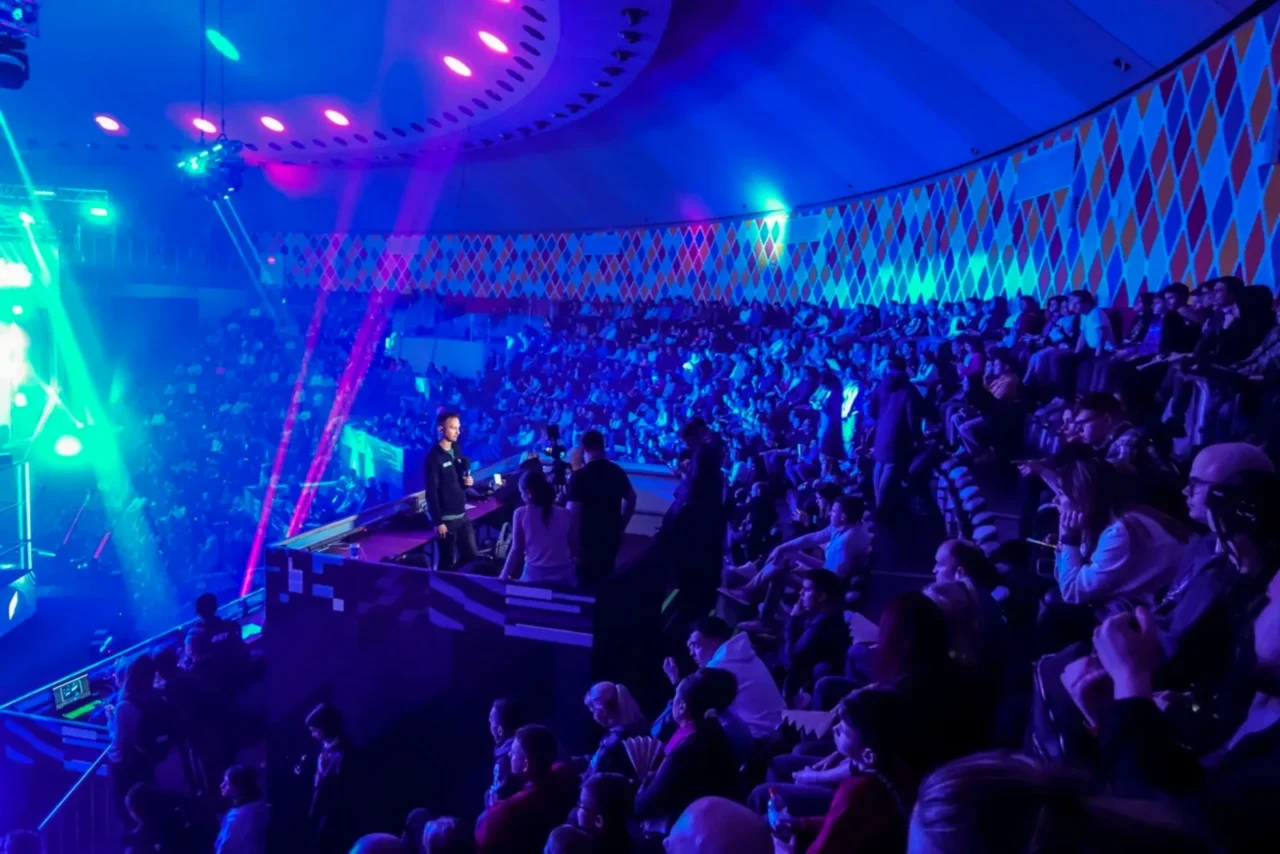
Why the future of sport will always be human
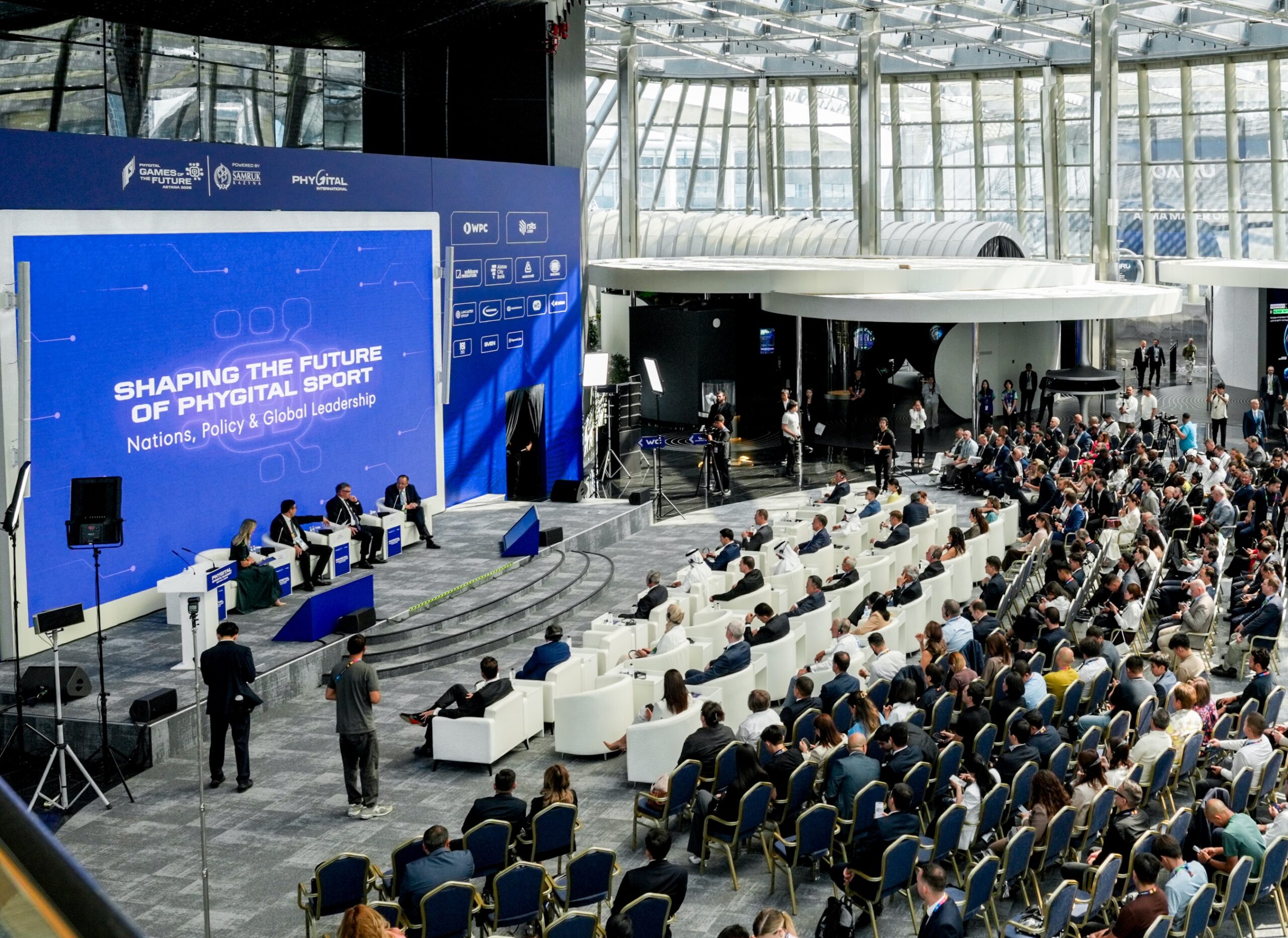
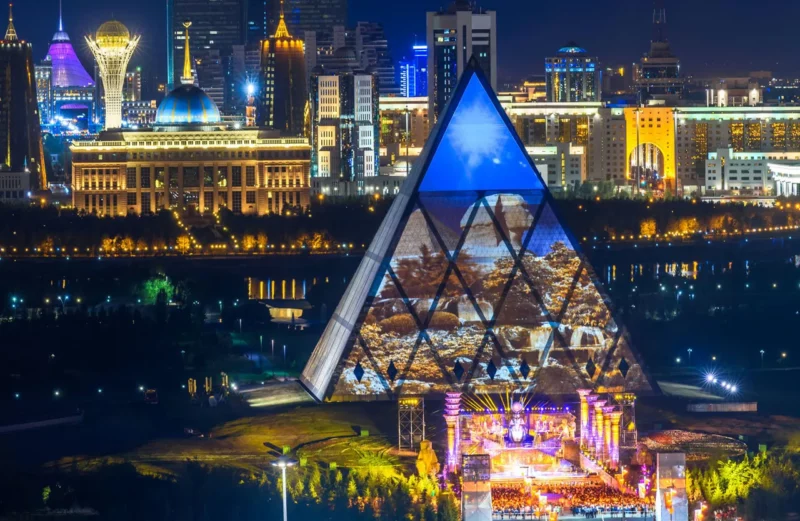
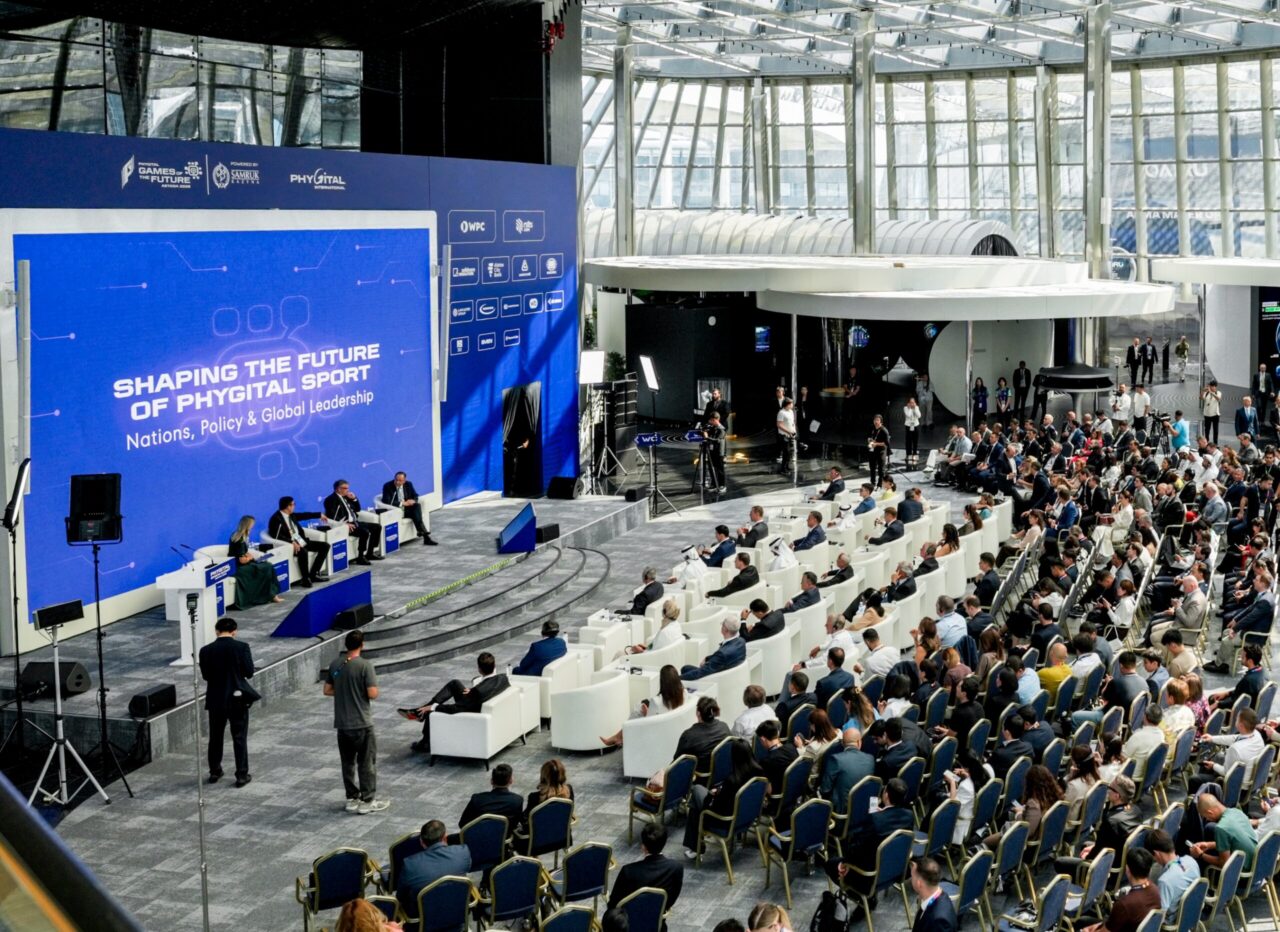
At the Phygital Sports Summit 2026 in Astana, government ministers, gaming execs, broadcasters and industry leaders gathered to discuss the future of sport – especially with regard to technology. However, the clearest message to emerge was about human connection.
At first glance, the Phygital Sports Summit 2026 looked like a showcase for what technology can do to sport: AI-driven fan platforms, cloud infrastructure, AR and VR experiences, and a generation of young athletes who move as easily between gaming and physical competition as between formats of the same sport. But a day of discussion in Astana, involving government ministers, industry experts, broadcasters and technologists, a more interesting story took shape. The more sport digitizes, the more it needs to work at being human.
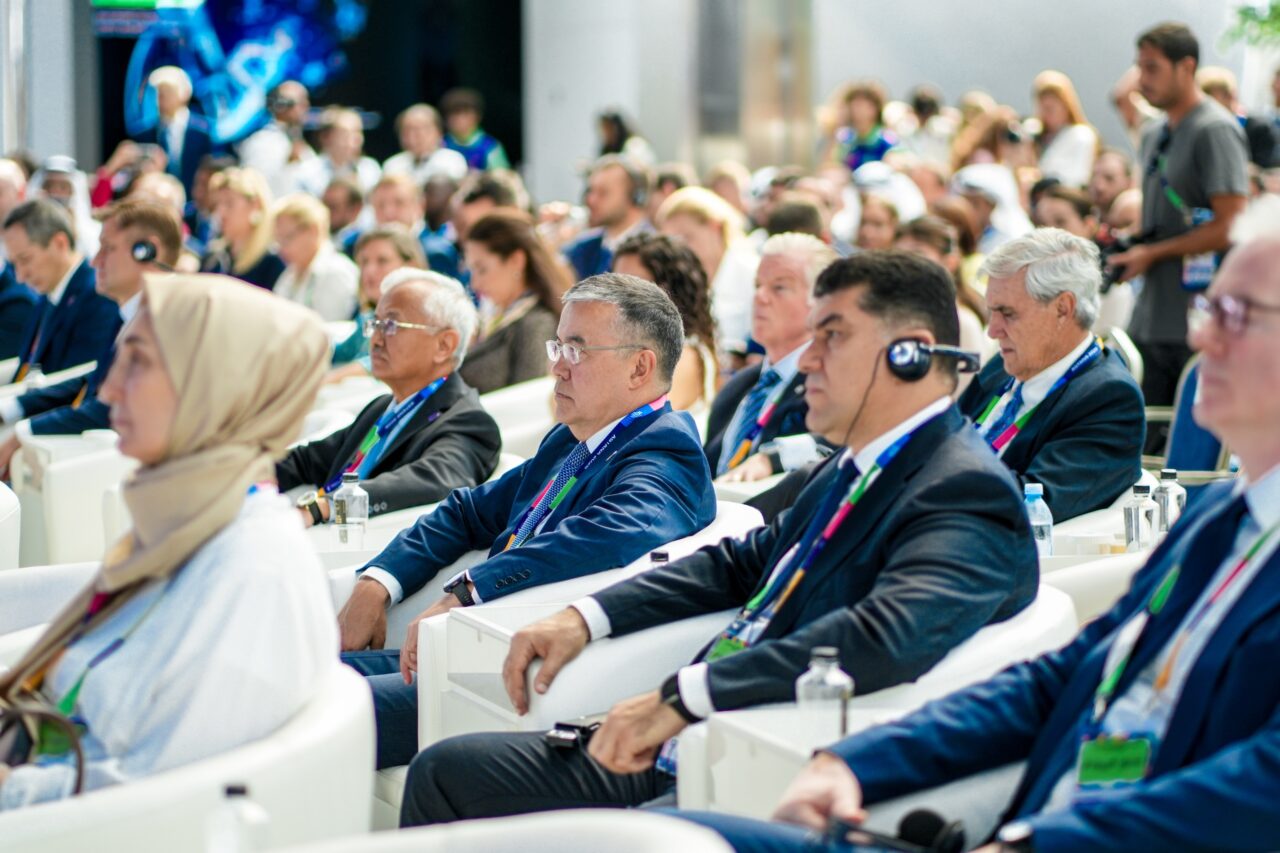
Delegates at the 2026 Phygital Sport Summit
Convergence, not competition
The starting point was participation. For younger audiences, the line between playing sport, gaming, watching a livestream and following an athlete on short-form video has largely dissolved – they move fluidly between all four as part of one entertainment landscape. H.E. Yerbol Myrzabossynov, Kazakhstan’s Minister of Tourism and Sports, framed this as an opportunity rather than a threat.
“Digital skills and physical activity should not be seen as alternatives. Phygital sport brings the two together, using technology to engage young people while creating new opportunities for participation, development and innovation,” he said. The takeaway for sports bodies is a shift in mindset – from competing with gaming for attention to designing experiences that reflect how young people already engage.
From distribution to experience
Technology’s role in sport has traditionally been about reach: more platforms, more screens, more viewers. That’s changing. AI and data are now shaping the experience of competition itself – personalized feeds, interactive broadcasts, AR and VR, richer athlete storytelling.
 “The next generation expects sport to be more immersive and more personal,” said Dipesh Makwana of Alibaba Cloud. “AI and data give us the ability to understand how fans engage, while technologies such as AR and VR can create experiences tailored much more closely to what they want to see.” Two fans watching the same match may soon have entirely different experiences of it.
The risk, several speakers noted, is mistaking more technology for more engagement – when the real value lies in using it to draw audiences closer to the athletes and stories they already care about.
An ecosystem with no single owner
As sport, gaming and technology blur together, so does the cast of players needed to deliver a phygital competition – publishers, federations, broadcasters, host cities, technology providers and athlete communities all have a stake, and none has the whole picture.
“This is no longer about different parts of the industry competing with each other,” said Sir Paul Foster, President and CEO of the Global Esports Federation. “It is about collaboration – bringing together specialist skills from sport, gaming, technology and media to create experiences and stories that can reach audiences around the world.” Collaboration, in other words, is becoming infrastructure, not just good practice.
What technology can’t manufacture
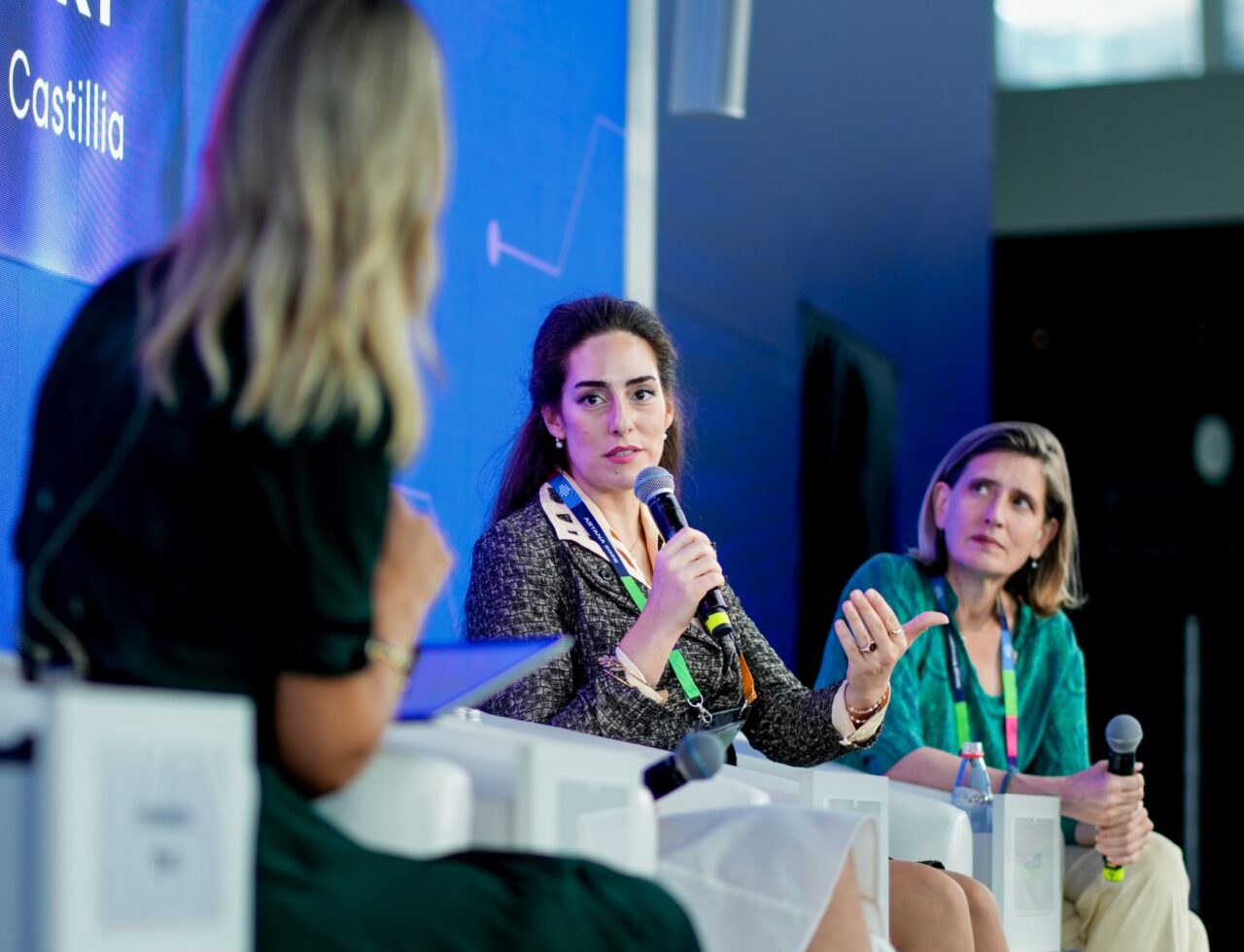
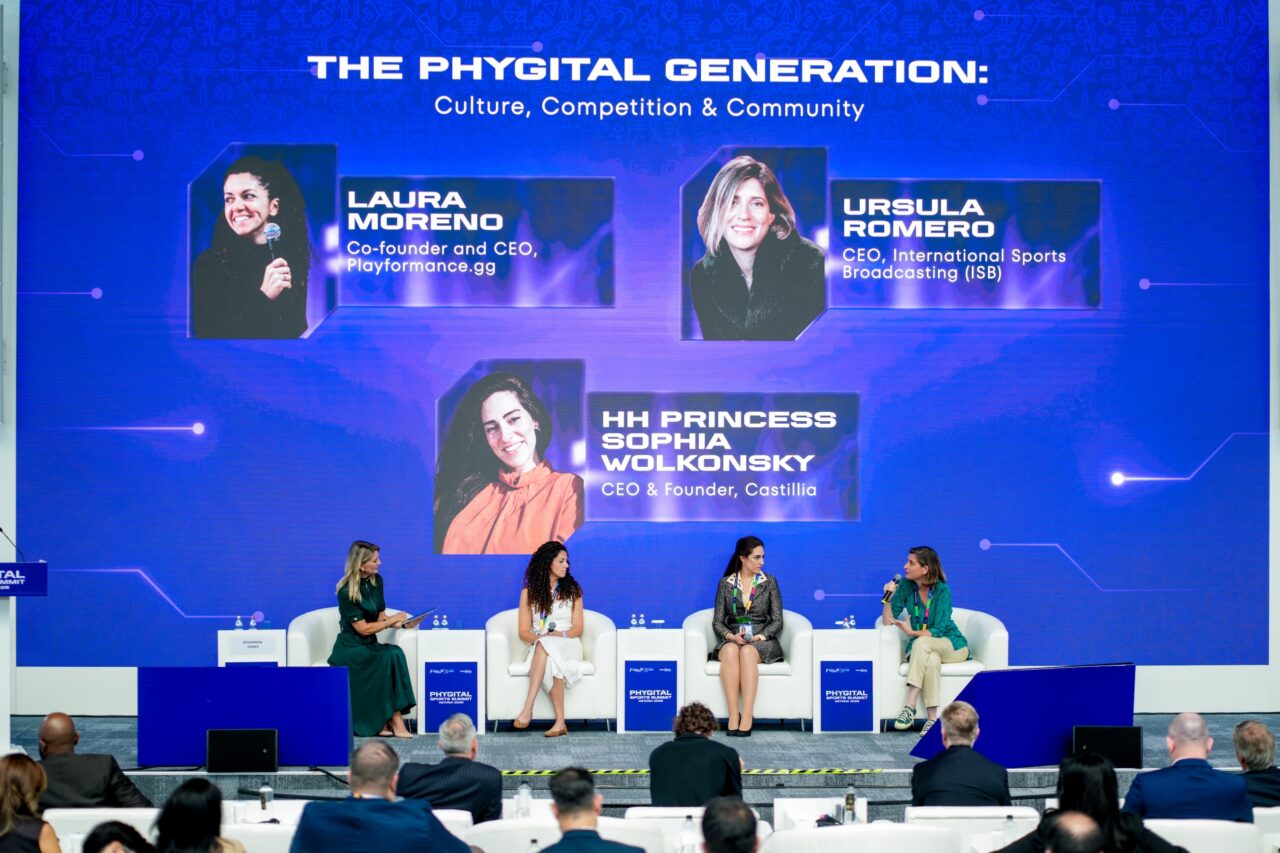
HH Princess Sophia Wolkonsky on the panel
That leaves the paradox at the center of the Summit: the more sophisticated the technology becomes, the more fans seem to crave the opposite – authenticity, community, real connection.
HH Princess Sophia Wolkonsky, Founder and CEO of Castillia, put it plainly, “The more technology expands the ways we interact every day, the greater the desire for real human connection becomes.” Rivalries create emotion. Stories build loyalty. Communities turn spectators into fans. AI and immersive tech can sharpen and personalize all of that – but they can’t invent it.
That is the real challenge coming out of Astana. It isn’t whether physical and digital sport will converge – that’s already happening. It’s whether governments, federations, broadcasters and technology companies can build that convergence around the things that have always made sport matter: identity, belonging and human connection.
Share article
Read next
Inside the phenomenal rise of Phygital Dancing
You’re reading Issue 5

AUGUST 2026
We look back at the 12 days of top-flight competition, celebration and excitement that was Games of the Future Astana 2026 - and speak to Phygital International's new CEO about what lies ahead for phygital sport's biggest tournament.
Read more…
 Currently reading