How phygital is changing the teaching of sport and technology
Instead of seeing the rise of gaming as a threat to traditional education and sport, research shows that incorporating it into the curriculum is having a positive effect in many areas of teaching.
In this article
- Using phygital to increase activity among young children and teenagers
- How structured teaching can build better online citizens
- Combining sport and gaming education is already yielding results
Schools around the world face two connected challenges: falling physical activity and rising screen time. The data is clear. The World Health Organization (WHO) recommends that children and adolescents complete at least 60 minutes of moderate-to-vigorous physical activity each day. Yet a major WHO analysis found that 81% of adolescents aged 11–17 are not meeting this standard, with inactivity highest among girls. Despite global targets to reduce inactivity by 15% by 2030, progress has been slow.
At the same time, digital engagement has become almost universal. In the United States, 85% of teenagers play video games, and around 40% play daily (Pew Research Center, 2023–24). This pattern is now common in many countries. Screens are no longer an optional part of adolescent life – they are central to it.
For educators, this creates a strategic opportunity: instead of fighting against screen use, a better solution may be to integrate it into learning in a structured and positive way.
Why traditional PE is no longer enough
Traditional physical education and school sports programmes are not reaching large parts of the student population. Many students, especially those less confident in sport, disengage early. Esports programmes have already shown that structured digital competition can improve teamwork, communication, leadership and problem-solving, according to research highlighted by the World Economic Forum.
Interest in this area is growing fast. In the UK, 75% of 16–27-year-olds support integrating esports into education, and 64% already engage with esports-related academic activity (Tencent research). However, 33% say they lack guidance on career and education pathways. This signals strong demand, but also a need for better-structured, responsible frameworks inside schools.
Phygital: a bridge between gaming and sport
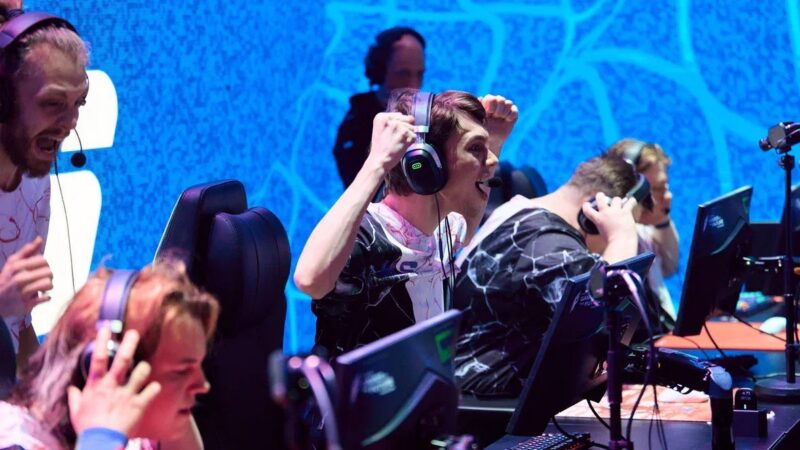
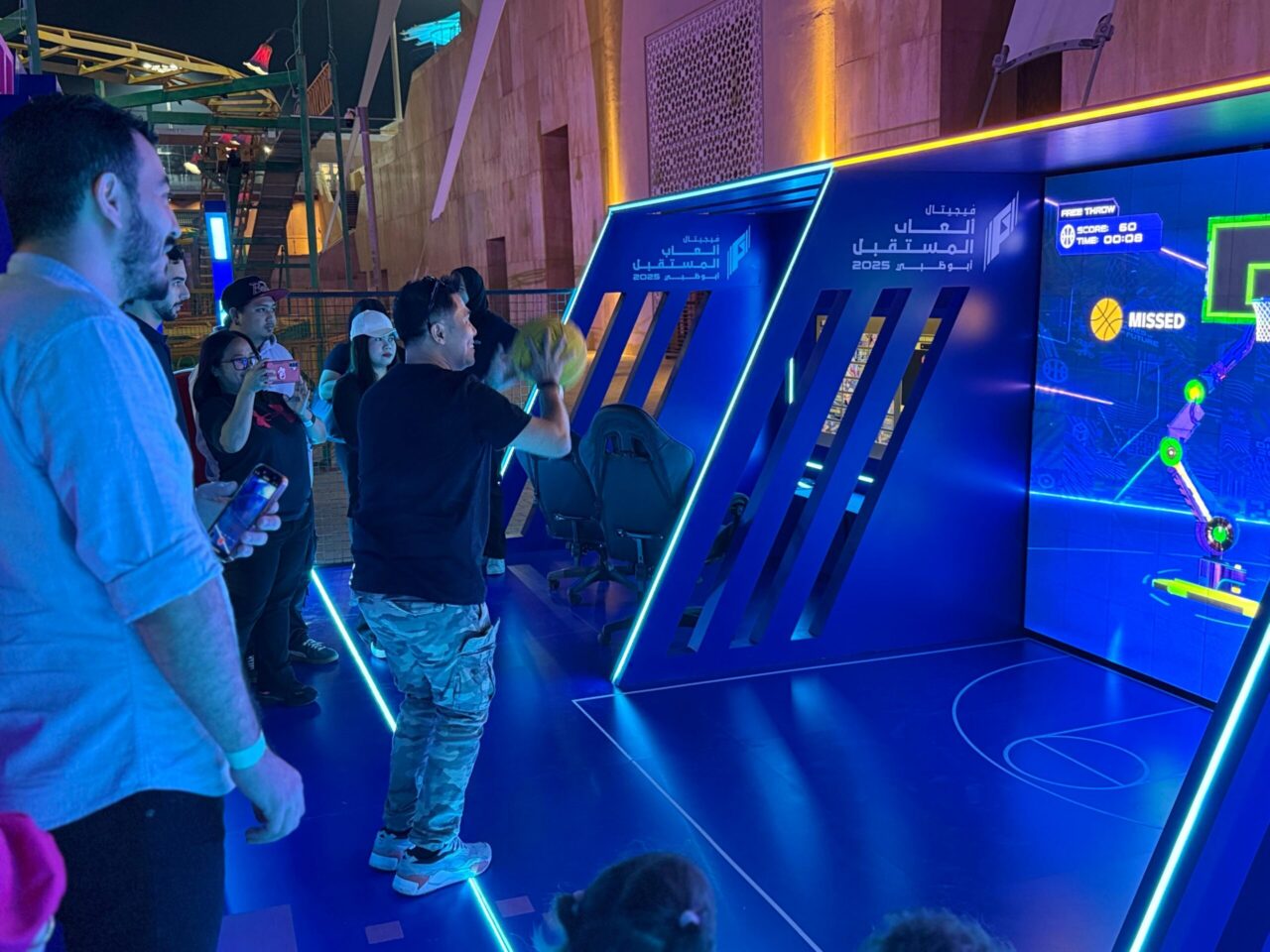
Phygital sport combines digital competition and real-world physical matches in the same discipline. For example, students compete first in a football or basketball video game, then immediately move into a real-world version of the same sport.
The model is simple, but powerful. Matches are usually completed in under 45 minutes, creating short, high-intensity experiences that are easier to engage with than long traditional sessions. Formats such as Phygital Dancing have proved especially effective in attracting girls and students with no prior sports background, because barriers to entry are low.
Importantly, phygital can also address a second major gap in education: digital behaviour and online awareness.
Building safer, smarter digital citizens
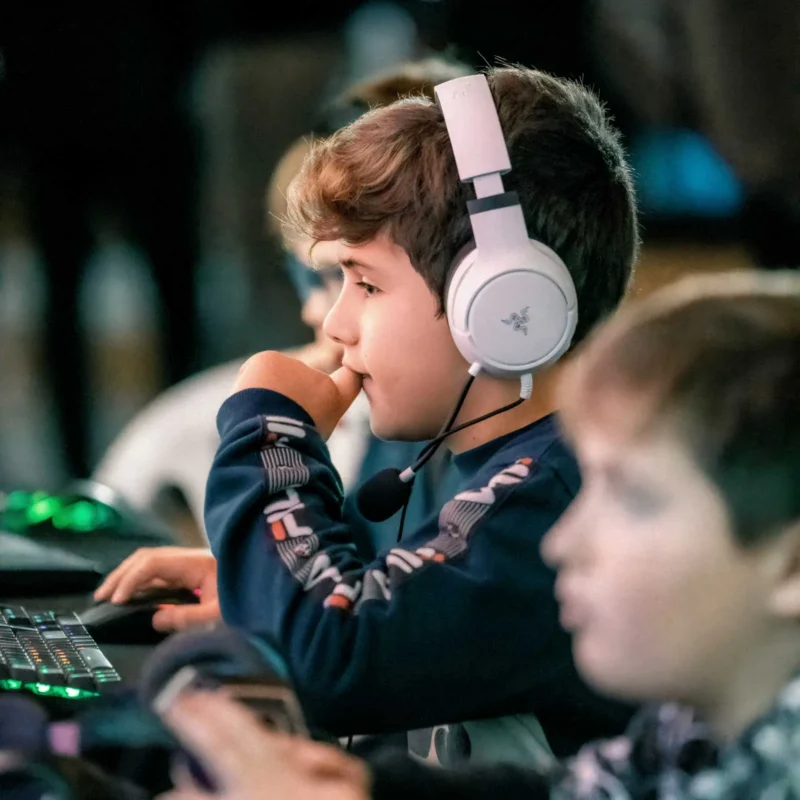
Phygital sessions are designed to combine physical outcomes with structured digital learning. Under teacher supervision, students can learn:
- Online safety and responsible communication
- Respectful in-game behaviour
- Managing screen time and digital wellbeing
- Fair play in both physical and online competition
Unlike unsupervised gaming at home, phygital formats make online conduct visible and teachable. Schools can directly address issues such as toxic behaviour, harassment, privacy awareness and digital identity in a practical, real-world context. This turns gaming from a hidden risk into a supervised learning environment.
Proof of concept: real-world school integration
While still new, implementation is already happening at scale. The most notable example is in Latin America, where the Phygital School Games has just launched in Guatemala, Colombia and Brazil. Spearheaded by the Guatemalan Esports Association, the initiative is designed to encourage healthy, active lifestyles while supporting educational goals.
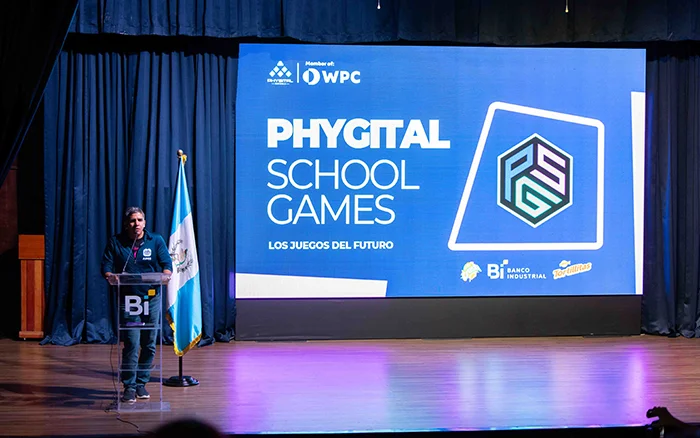
So far, thousands of school-age children have taken part in competitions featuring Phygital Football, Phygital Basketball and Phygital Dancing. These have been organised by local sports associations working with government ministries and educational institutions. In Brazil, for instance, the São Paulo State School Sports Federation (FEDEESP) has signed an agreement with Phygital Brazil to introduce phygital into schools across São Paulo and later nationwide.
The World Phygital Community, which is responsible for introducing and growing phygital sport at a grassroots level, is now active in over 115 countries. It sees these developments as crucial steps in expanding access, creativity, and participation.
If successful, the Phygital School Games in Latin America could provide the foundation for a rollout of the concept worldwide.
A scalable model for modern education
Phygital sport does not replace traditional sport or digital learning. It connects them. It can increase physical activity, strengthen social and leadership skills, and provide a structured way to teach healthy online behaviour.
There is no single solution to youth inactivity or digital risk. But evidence from early adopters suggests that phygital offers schools a practical, scalable and relevant framework to develop healthier, more active and more digitally responsible students.
You’re reading Issue 1
DECEMBER 2025
Welcome to the first issue of Phygital International, the official online magazine dedicated to phygital sport and its biggest event, the Games of the Future 2025, which kicks off in spectacular style in Abu Dhabi from 18–23 December.
Read more…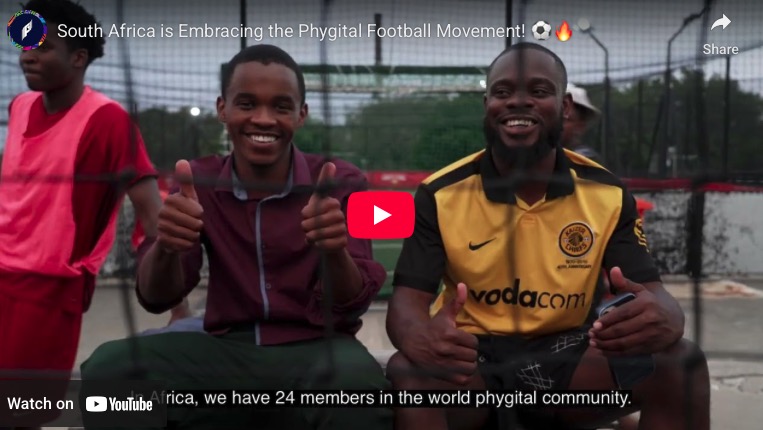

 Currently reading