HADO: where sport, tech and education meet

At the recent GOTF 2025, a new discipline was introduced that had crowds rushing to experience for themselves. HADO, an augmented reality sport, is already sweeping the globe and experts say it could revolutionize the teaching of sport and technology.
In this article
- What is HADO and how does it work?
- Why it’s becoming so popular worldwide
- The Japanese experience of using HADO in schools
Around the world, educators and governments are looking for new ways to motivate young people, increase physical activity, and prepare students for a technology-driven future. One exciting answer is coming from Japan and quickly spreading worldwide: HADO, the world’s first Augmented Reality (AR) sport.
HADO mixes real physical movement with digital technology – creating a techno-sport designed for the next generation. Players move their bodies, work as a team, and think strategically – while interacting with virtual elements.
It is often described as “dodgeball for the digital generation.” Players wear lightweight AR headsets and armband sensors connected to smartphones. There are no handheld controllers or cables. Using natural body movements, players throw virtual energy balls, activate shields, dodge attacks, and cooperate with teammates to win.
The game takes place on a real court. Players run, jump, aim, and react in real time. Physical fitness, communication, speed, and tactical thinking are all important.
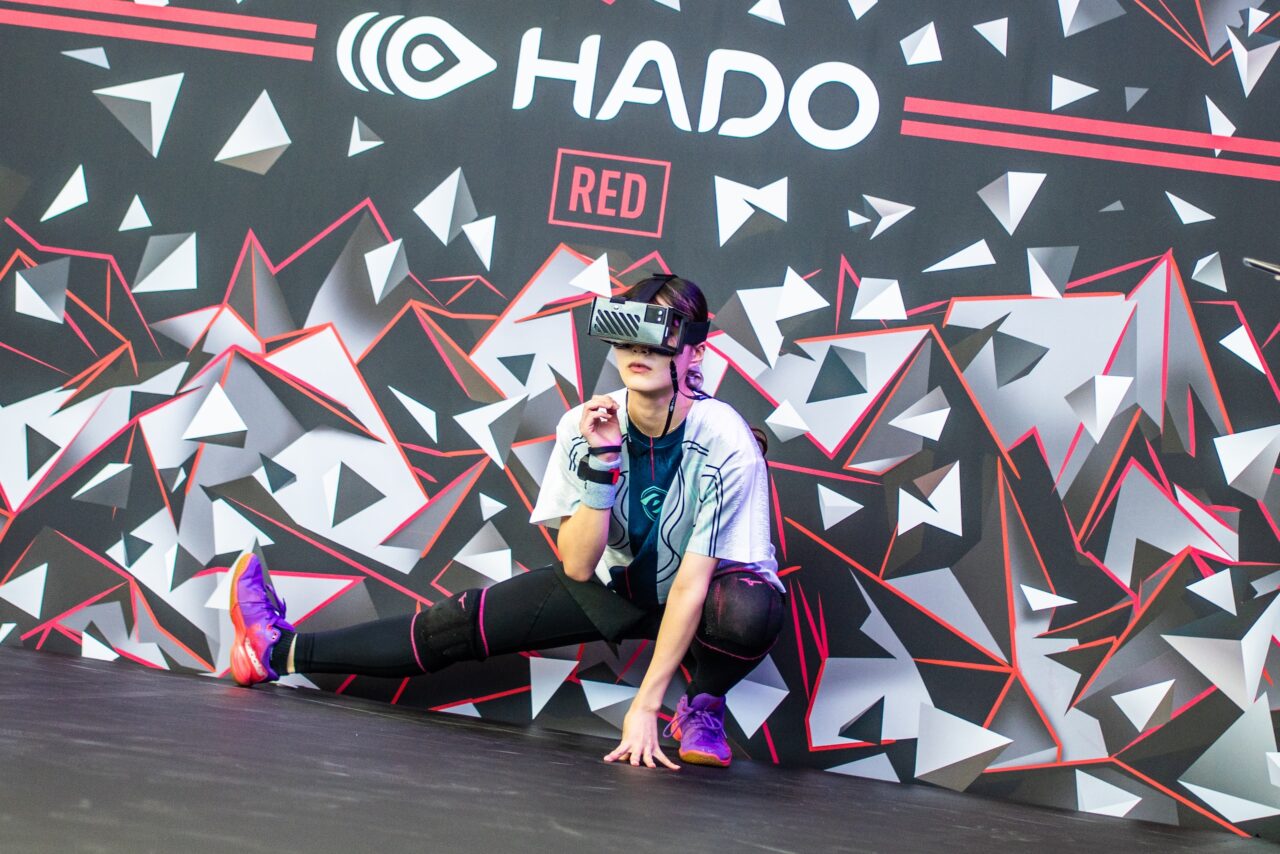 The rules are easy to learn but allow for advanced strategies. This makes HADO suitable for different ages, skill levels, and backgrounds.
Each player uses three main pieces of equipment:
- An AR headset to see virtual objects
- An armband sensor to track arm movements
- A smartphone to process data like position and speed
The system accurately tracks movements so that virtual actions feel realistic. Students focus on playing and collaborating instead of managing complex equipment.
HADO is now played in 40 countries, with international tournaments expanding every year. Teams compete in regional championships, such as the European Championship, and the best qualify for the HADO World Cup. This clear pathway – from beginner to elite level – shows that HADO is a serious, long-term global sport.
For students, this global scene adds excitement and motivation. They are not just playing in class; they are joining an international movement.
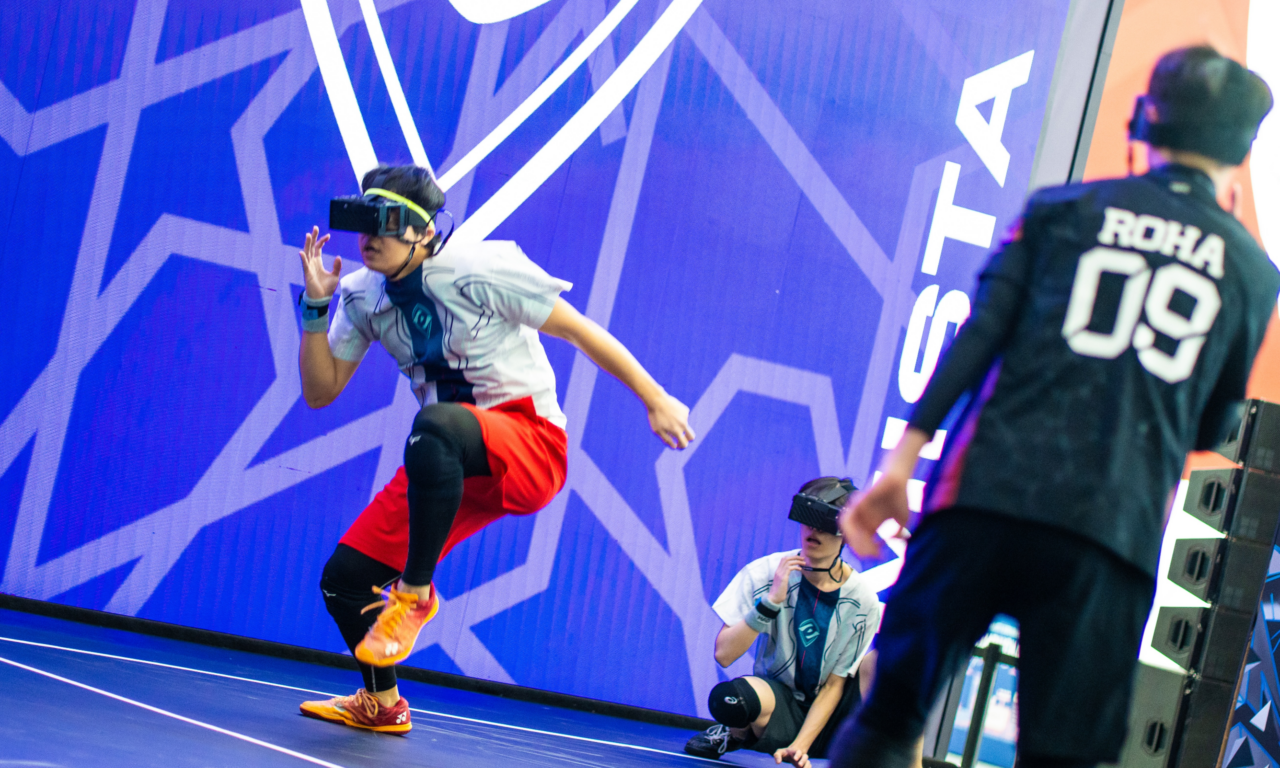 HADO in education
HADO has already been incorporated into classrooms in many schools around the world (including in China, Japan, Korea and Turkey) becoming a part of students’ daily learning.
Teachers report that students are highly engaged, showing strong interest in AR systems, sensor technology, and teamwork. Both boys and girls participate enthusiastically, highlighting HADO’s inclusive and universal appeal.
HADO supports multiple learning goals:
- Encourages physical activity
- Builds teamwork and communication skills
- Sparks interest in STEM and technology
- Develops problem-solving and quick thinking
As education continues to blend physical learning with digital skills, HADO offers a fun, practical, and future-ready solution. It’s a new way to learn.
Check out HADO at GOTF 2025 below.