Are the Phygital School Games the future of youth sport?
Pablo Melgar is the driving force behind the Phygital School Games, a youth initiative in Latin America that’s been embraced by both government and educators. We spoke to him about the concept and its potential to revolutionise school sports globally.
In this article
- The concept of the Phygital School Games
- Why schools and pupils responded so enthusiastically
- Future competitions in Europe, Africa and Asia
As phygital sport continues to grow across the world, one of the most promising developments is happening in schools. In Guatemala, the Phygital School Games have evolved from a pilot idea into a nationally supported programme – and are now inspiring similar projects across Latin America and beyond.
At the centre of this movement is Pablo Melgar, President of the Guatemalan Esports Association and a key promoter of youth phygital development in the region. Melgar believes passionately that schools are the natural home of phygital and are vital to encouraging more young people into sport.
Guatemala, like many countries, faces growing concerns around sedentary lifestyles among its younger generations. From the first time he heard about the phygital concept, Melgar knew it offered a practical and culturally relevant solution.
“When I first understood the concept of phygital, the first thing I thought was: this is for kids,” he says. “You bring the physical element into esports. It’s exciting, it’s entertaining, and it gets children moving.”
Coming from a background in traditional sport – Melgar played professional football for 20 years – he knows that any new discipline must be built from the grassroots.
“If you want to develop a sport properly, you have to start with the grassroots. Schools are where habits are formed, and phygital fits naturally into that space.”
Introducing phygital to public institutions, however, was not simple at first. The concept was unfamiliar, and combining digital games with physical sport raised questions.
“At the beginning it was difficult, especially with the authorities,” Melgar admits. “Many of them don’t really understand esports and combining it with traditional sport was something completely new to them.”
That changed quickly once decision-makers saw the broader value. Guatemala’s Ministry of Sport recognised phygital as a tool to fight youth inactivity, while the Directorate of Physical Education, who are responsible for school sport nationwide, immediately saw its educational and social potential.
“The Minister of Sport told me, ‘I don’t like esports, but I do like what you’re doing with phygital,’” Melgar recalls. “They offered facilities, staff, and full support.”
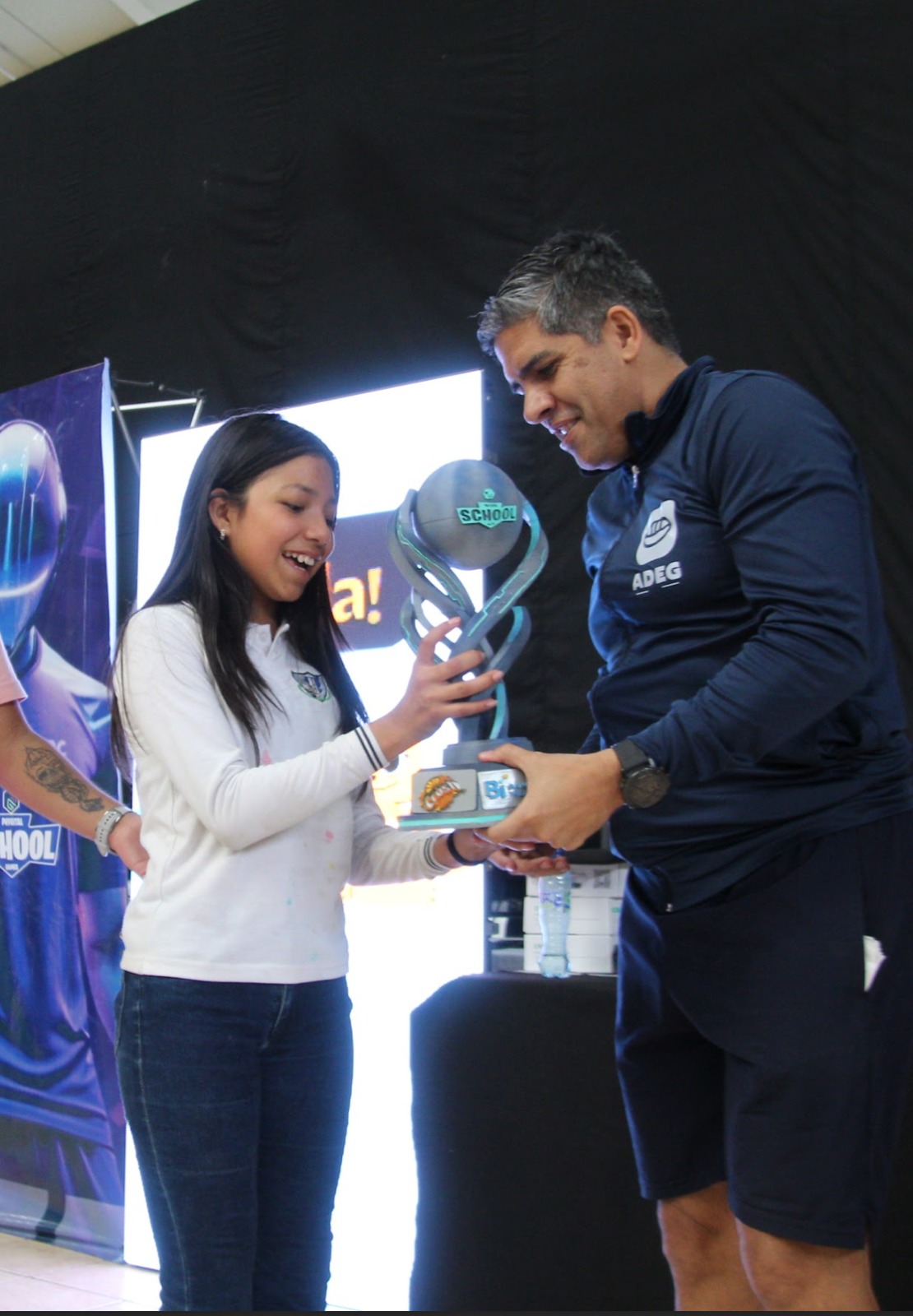
With that backing, phygital was formally integrated into Guatemala’s National School Games – a decisive step that gave the project national reach and legitimacy.
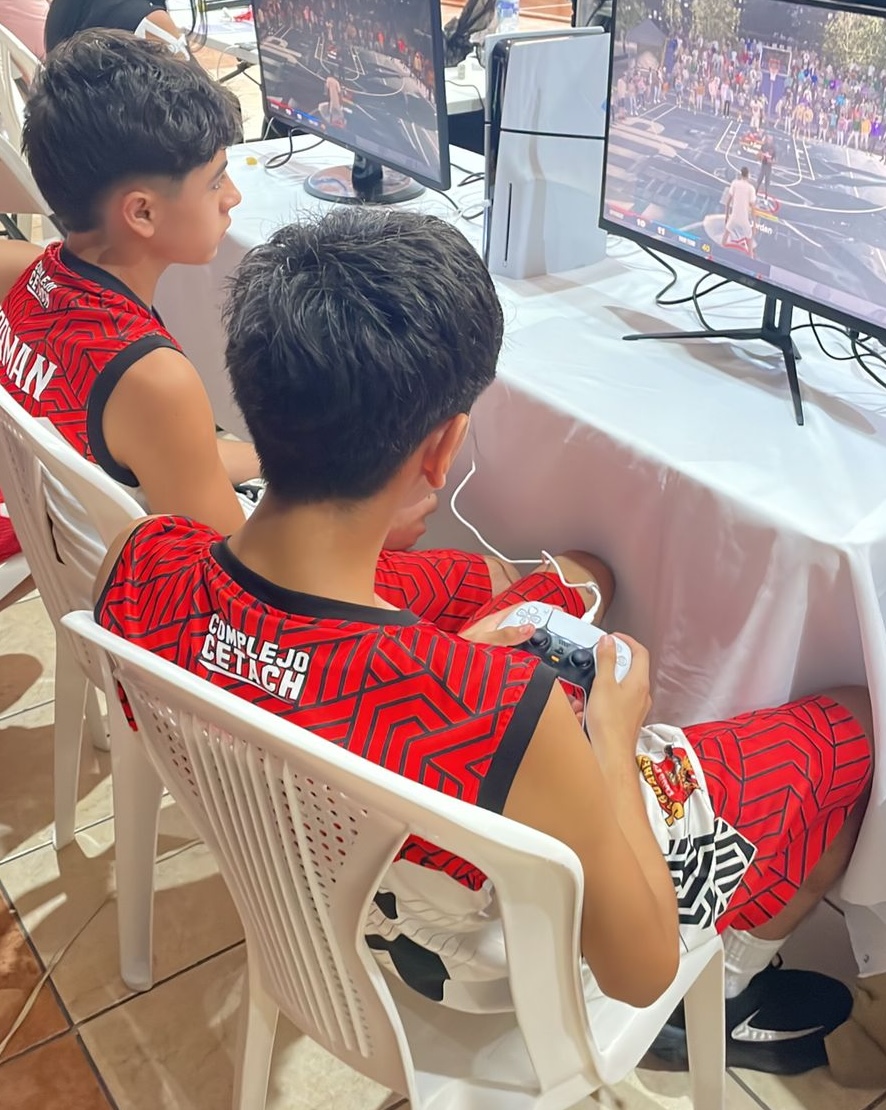
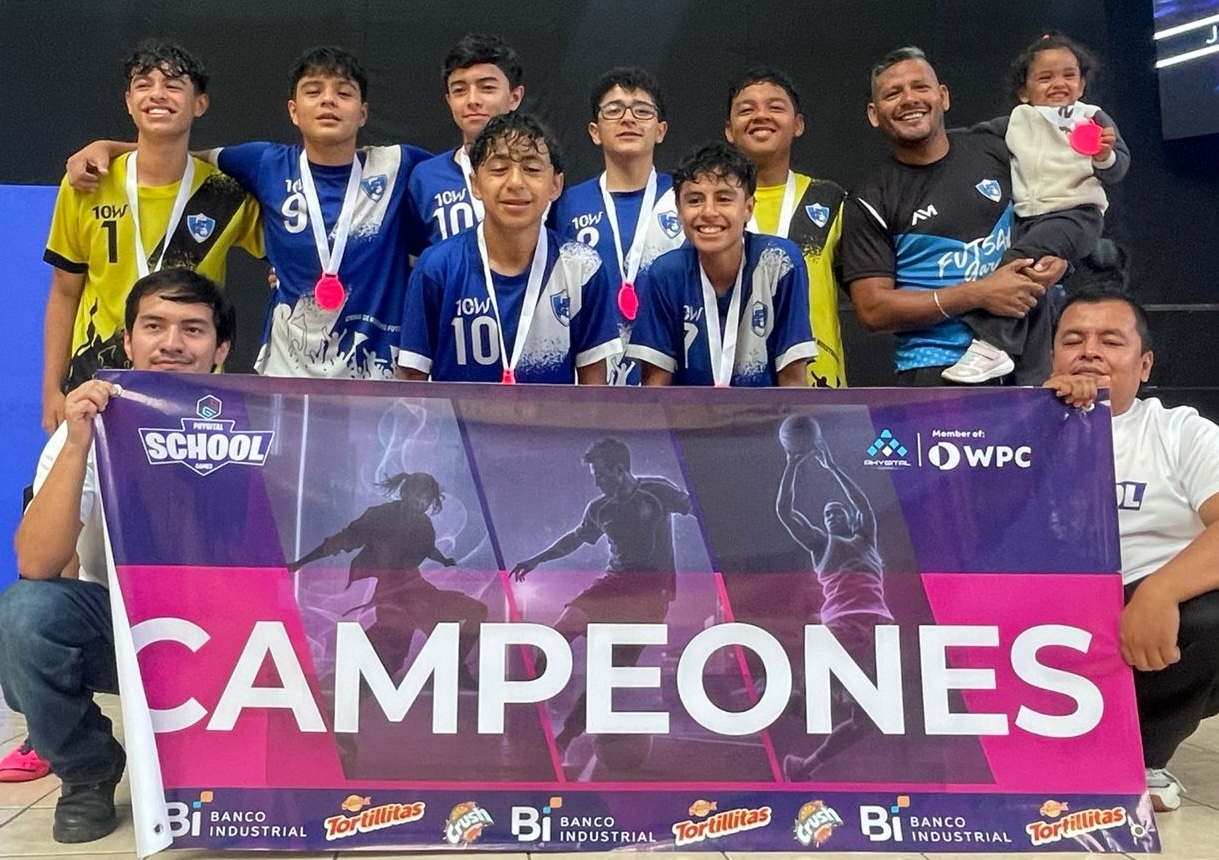
In August, Guatemala hosted its first dedicated Phygital School Games. Thirty-two schools, academies, and clubs participated, competing in Phygital Football, Phygital Basketball and Phygital Dancing.
The response exceeded expectations. “The interest was huge,” Melgar says. “Not just from the kids, but from schools, parents, and institutions.”
Inclusivity was also a core part of the event. Working with the Directorate of Physical Education, organisers ran a phygital inclusive exhibition focused on children with disabilities.
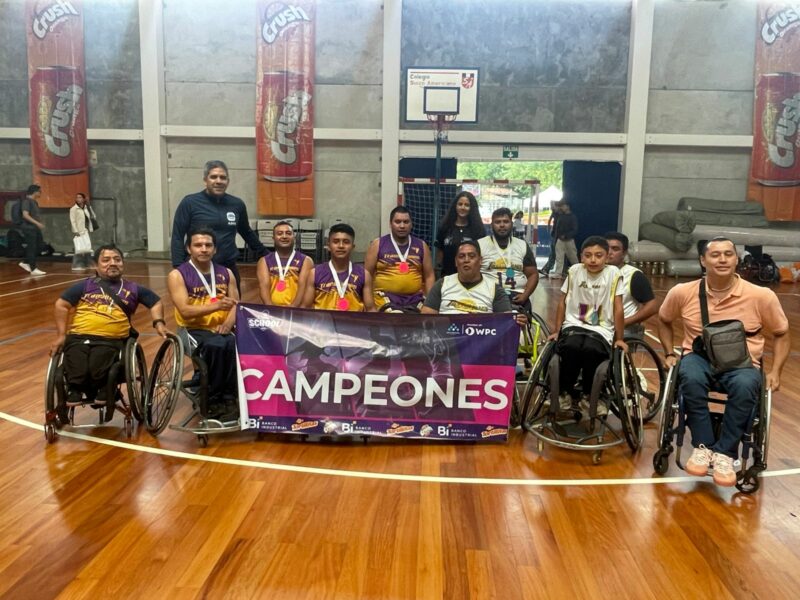 “We had children with paralysis playing Phygital Dancing,” he explains. “They used the controllers, moved their arms, and scored points. Deaf children were also dancing, following the avatar on the screen.”
For Melgar, moments like these define the project.
“Our slogan is very simple: ‘We all play, we all win.’ Phygital is for everybody.”
Since the first edition, interest has grown rapidly. More than 50 schools have already registered interest for the second Phygital School Games, scheduled for April 2026 in Guatemala City.
At the same time, the concept has attracted attention from other countries. Esports and phygital federations in Brazil, Colombia, Venezuela, and Mexico have launched or are developing similar school-based competitions.
“We presented the idea to other phygital federations and they loved it,” Melgar says. “They said, ‘Let’s do this together.’”
At present, most competitors come either from traditional sport or from gaming. The Phygital School Games aim to change that.
“Right now, we have gamers and conventional athletes. What we want is to create true phygital athletes, kids who grow up doing both.”
Therefore the focus currently is on players aged 17 and under, creating a clear bridge between school competitions and adult phygital tournaments. Over the next few years, younger age groups will be introduced.
“This is a bridge,” Melgar explains. “Kids see the older students competing in school games, then in adult competitions, and they say: ‘That could be me.’”
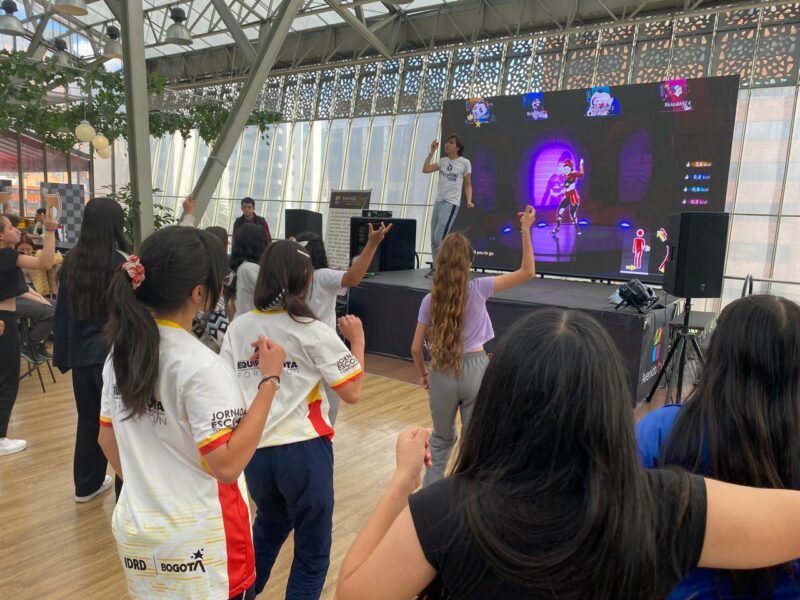 Government cooperation has been essential, particularly for public schools.
“With public schools, government partnership is key. They already have thousands of children competing in national school games. We simply add phygital to that structure.”
At the same time, private schools participate independently, ensuring the programme remains flexible and scalable.
For Melgar, the success of the Phygital School Games proves that phygital’s future lies in collaboration.
“This is not just about events,” he says. “It’s about education, health, inclusion, and long-term development.”
With growing international interest and plans to expand into Europe, Africa, and the MENA region, the Phygital School Games are quickly becoming one of the most important grassroots initiatives in the global phygital ecosystem.
“It’s very motivating to see other countries wanting to do this locally,” Melgar says. “If we build phygital with kids, we build it for the future.”