Hosting the Games of the Future 2025: Lessons from an insider
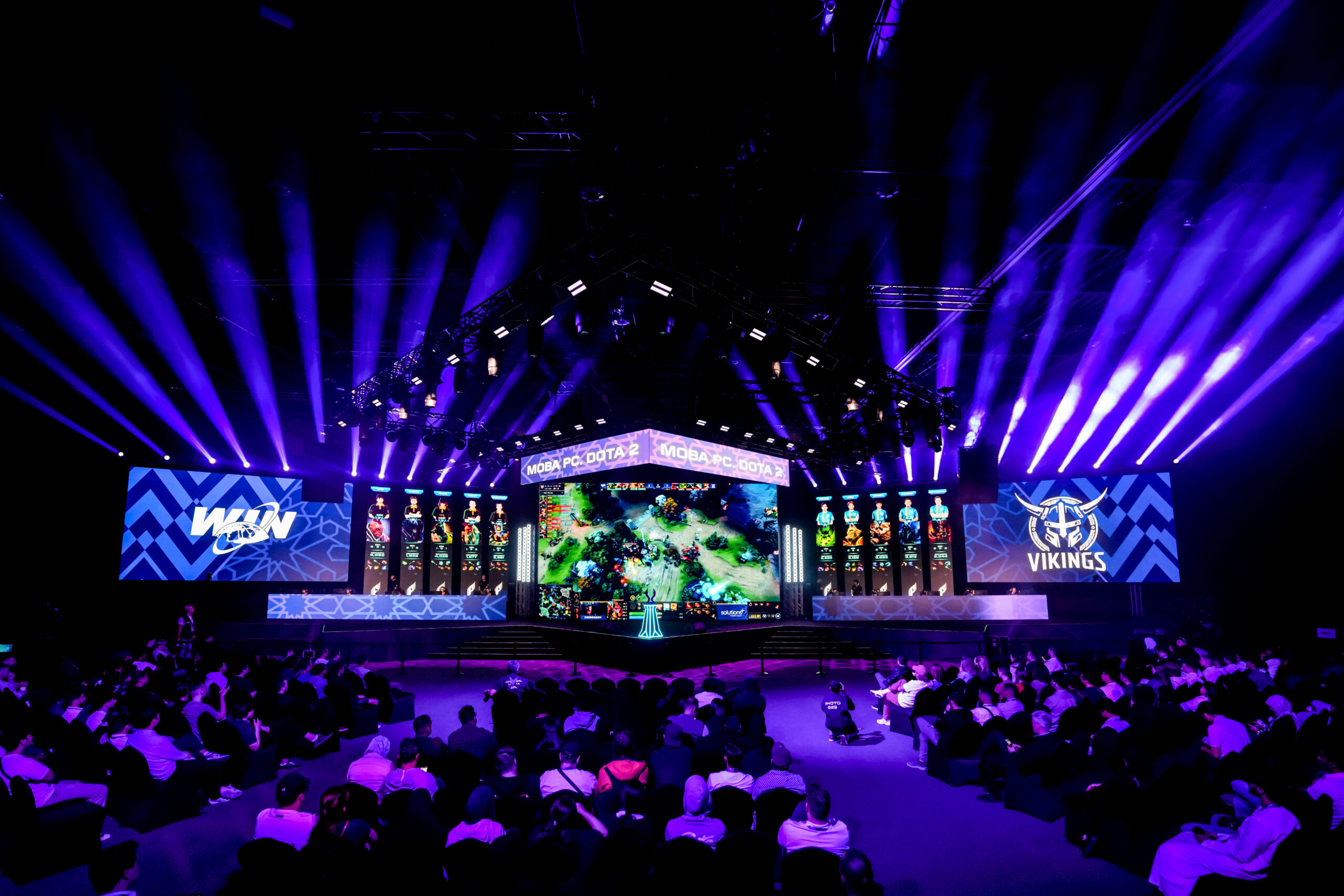
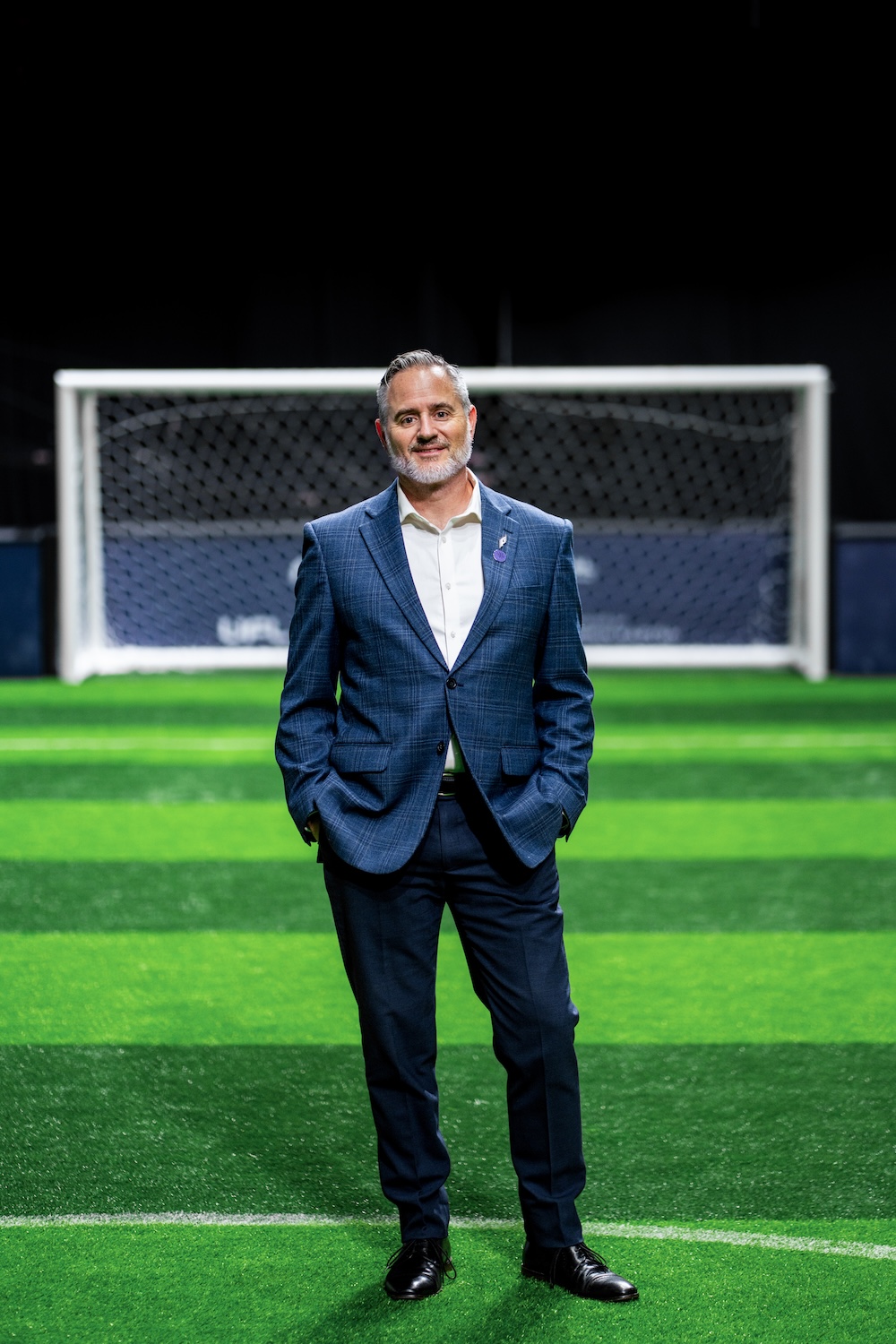
Niccolò Nicotra, chief of staff for UAE events company Aspire, was the man charged with delivering Games of the Future 2025. Here he talks about how he did it and what future host cities can expect.
In this article
- The benefits to hosting the Game of The Future
- The challenges and pitfalls of staging such a huge event
- What host cities can expect and lessons learned
When the Games of the Future first landed on my desk, it was simply a name on a piece of paper. No venues, no disciplines, no operational blueprint – basically just an idea. A year later, however, and more than 5,000 people were working together to deliver this international gaming and sporting showcase.
I often described it as like trying to organize a small Olympic Games. It was challenging and thrilling, and I’d recommend it to anyone, but it isn’t for the faint-hearted. Any city thinking of hosting should be aware of what they’re in for, Firstly, it requires strong infrastructure, serious investment in digitalization, excellent connectivity, and – above all – a long-term vision for innovation in sport and technology.
Government support is also essential. In our case in Abu Dhabi, backing from the Abu Dhabi Sports Council, the Ministry of Sports, and the UAE Sports Federation made a huge difference. I think it would almost be impossible without government buy-in.
Starting from Zero
We began roughly a year before the event, when the concept was first introduced to us. The initial step was due diligence. We spent an intensive week assessing what this event could be and what it demanded. What immediately caught our attention was the digital dimension. This was new territory for us, and that novelty was what made the project exciting.
Because this was only the second edition of GOTF, there was very little precedent. That meant less experience to learn from – but also more freedom to shape the event. We knew that choosing the right partners would be decisive. We brought in Ethara as our delivery partner, drawing on their knowledge of staging huge events such as the Formula 1 Grand Prix at Yas Marina Circuit.
Shaping the Concept
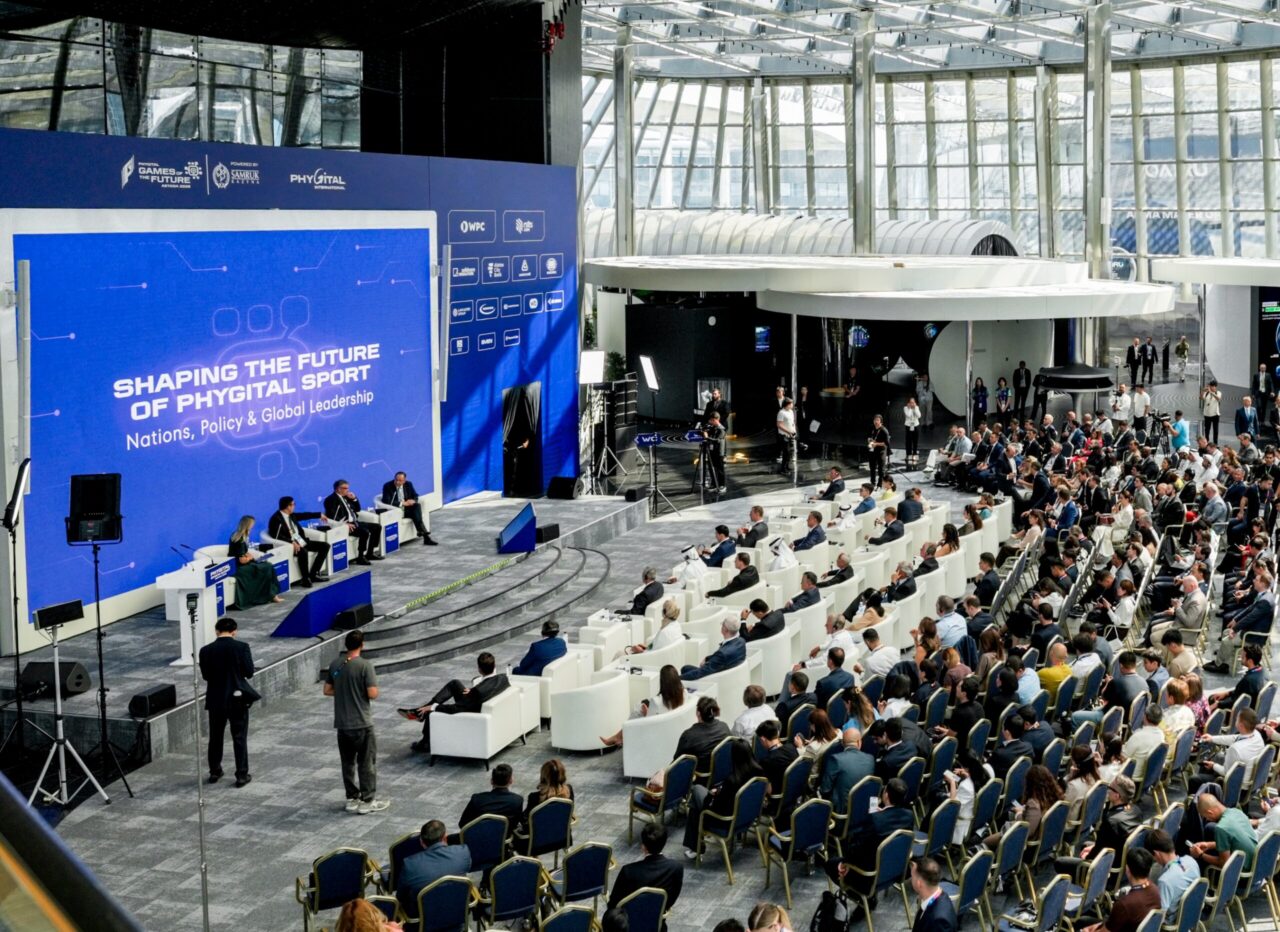
At the outset, nothing was defined – not the disciplines, not the venues, not even the structure. We worked closely with Aspire and Phygital International, gradually bringing all partners into alignment. The Abu Dhabi Sports Council stepped in as host city authority, and ADNEC was selected as the main venue.
 From there, we moved into one of the most complex phases: discipline selection. Starting with a longlist of 20 to 25 potential disciplines, we narrowed it down to 11 that we felt were most relevant for the UAE and compelling for an international audience. From that point on, the work became deeply operational – rules, teams, formats, sport production, marketing, broadcasting, and communications – and all had to be handled discipline by discipline.
Organizing at Scale
An event like this cannot be managed centrally. Our approach was very much to divide and conquer. We broke the organization into clear areas of responsibility and empowered teams to own their domains. Oversight came through a steering committee that met weekly or bi-weekly. Alignment was critical.
The partnership with Phygital International was fundamental. Aspire contributed local knowledge, such as how institutions work and how events are delivered in the UAE, while Phygital International brought expertise in gaming, publishers, teams etc. It was a genuine partnership built on complementary strengths.
Challenges and Lessons
The greatest challenge was people especially in terms of coordination. We brought together organizations with different cultures, working styles, and expectations. Aspire’s role was to act as the glue, ensuring everyone moved in the same direction. My personal role was often to translate between strategic vision and operational reality, keeping communication flowing and decisions grounded.
You should expect challenges. This is a highly innovative event with limited historical reference points. Success lies in the details, and in the ability to stay calm when the unexpected happens. No matter how detailed the planning, surprises will occur. What matters then is composure, creativity, and problem-solving.
Why It’s Worth It
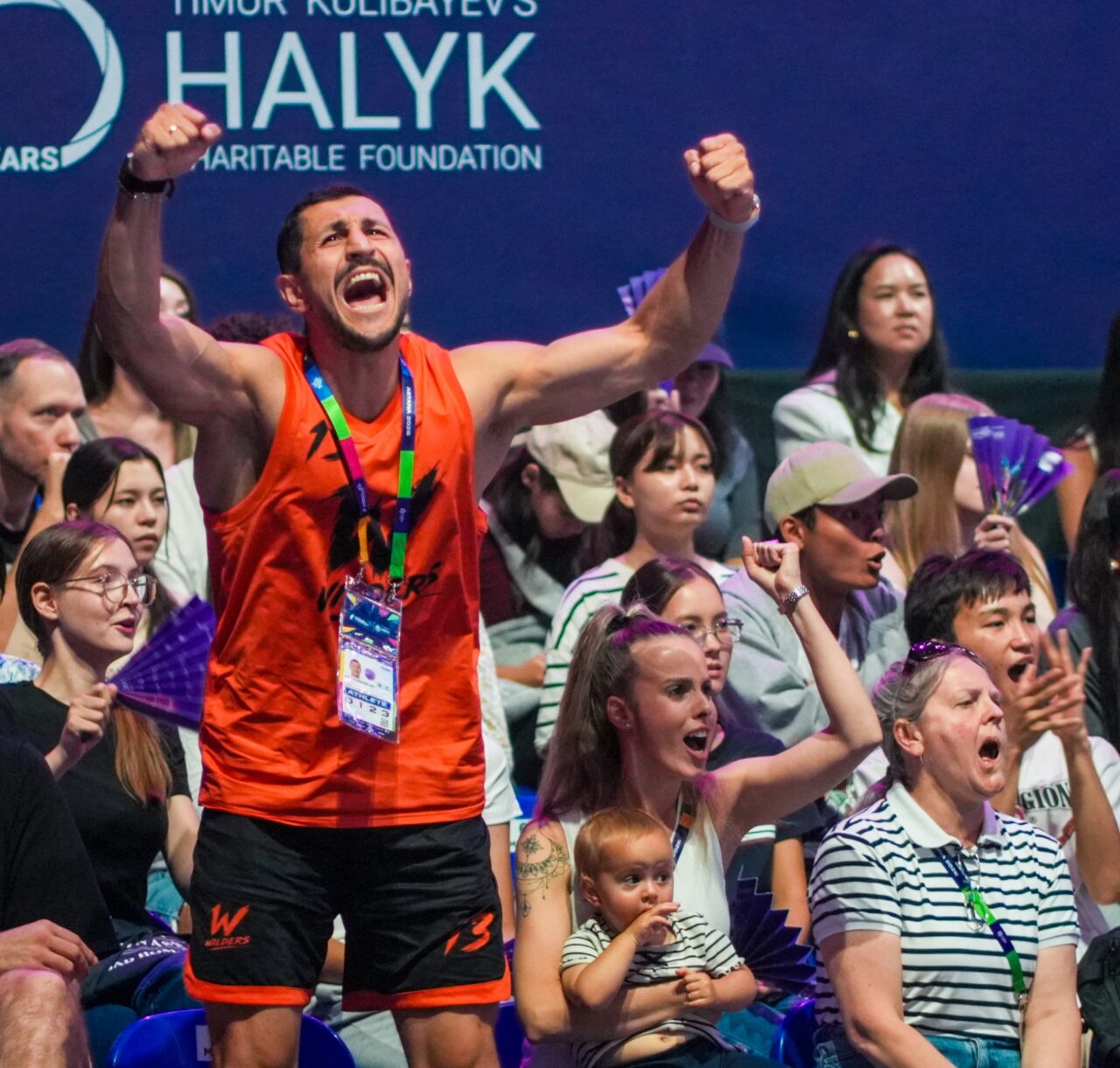
What surprised me most was the level of engagement generated by combining physical and digital competition. I was initially sceptical of the idea but seeing how fans responded to the transition between the two was remarkable. It was genuinely amazing to see that level of excitement and engagement among the spectators and far beyond anything I’d expected.
The Games of the Future is a launchpad for innovation, a showcase of ambition, and an unparalleled test of organizational capability. For cities willing to commit, the rewards – in visibility, experience, and global relevance – are immense.
Share article
Related stories